
Must-Try Foods in Japan Beyond Sushi and Ramen
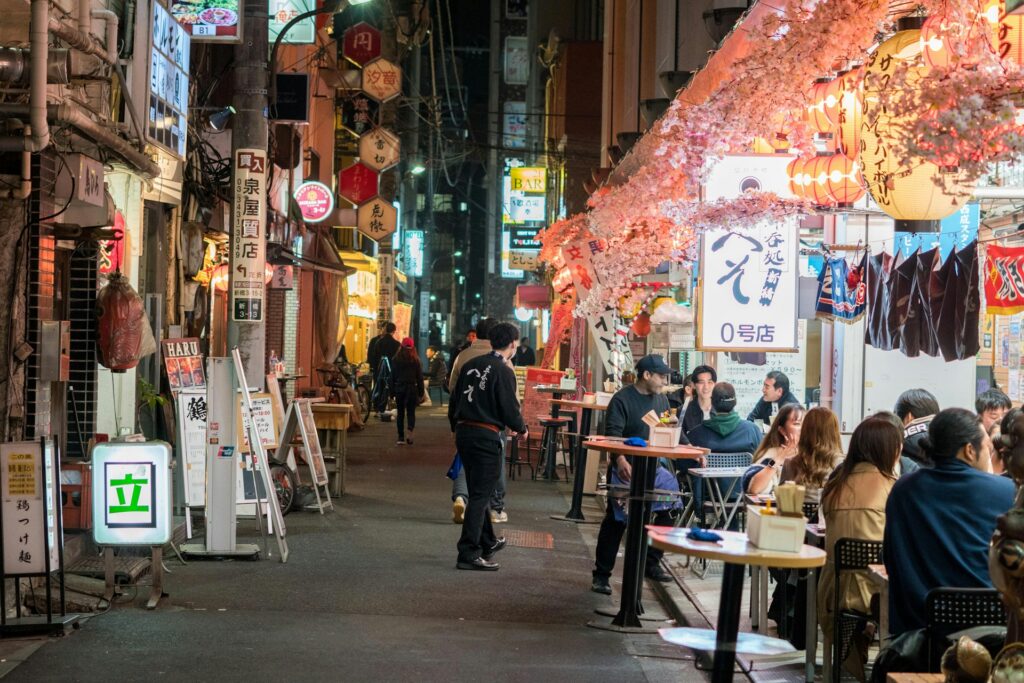
Japan is the food lover’s paradise – there is no question about it.
If I could eat only one type of cuisine for the rest of my life, it would be Japanese.
Japan feeds all five senses. From the simple street food snacks to the meticulously arranged kaiseki trays, the food in this country isn’t just for substance – it represents Japan’s culture, craftsmanship and centuries of traditions on a plate.
Each region of the country has its own specialties, which are so worth crossing the country for.
Here are my recommended must-try foods in Japan – from street food classics to specialty dishes – what makes them special and where to eat them.
Seafood
Sushi – Tokyo
Let’s start with the classics. Sushi isn’t just a piece of raw fish on top of rice; it’s an art form. It’s all about the delicate balance between the two.
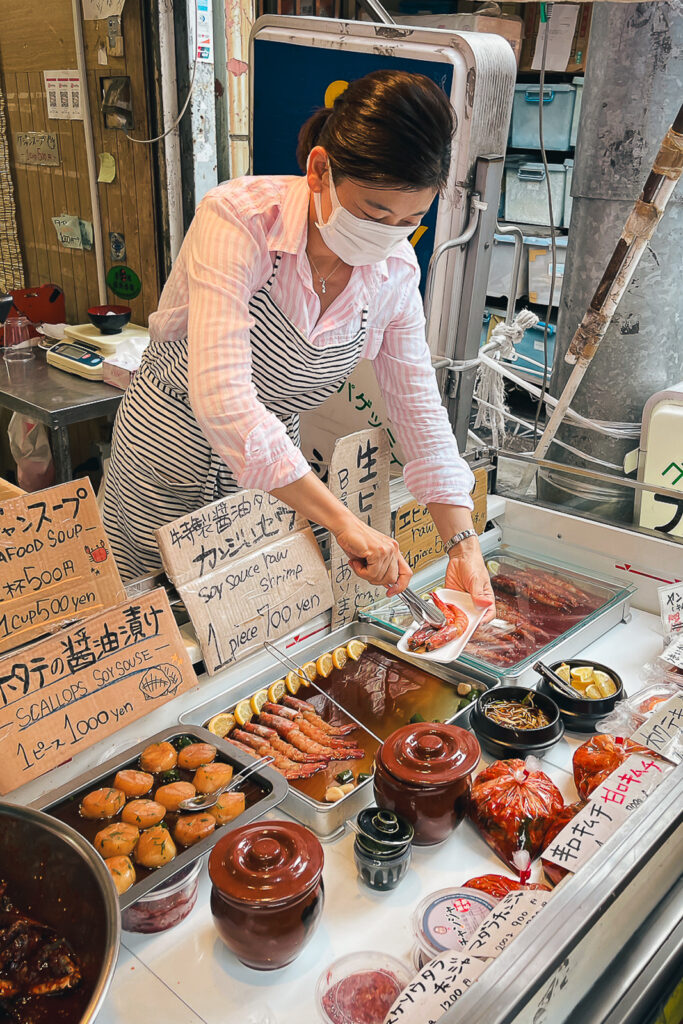
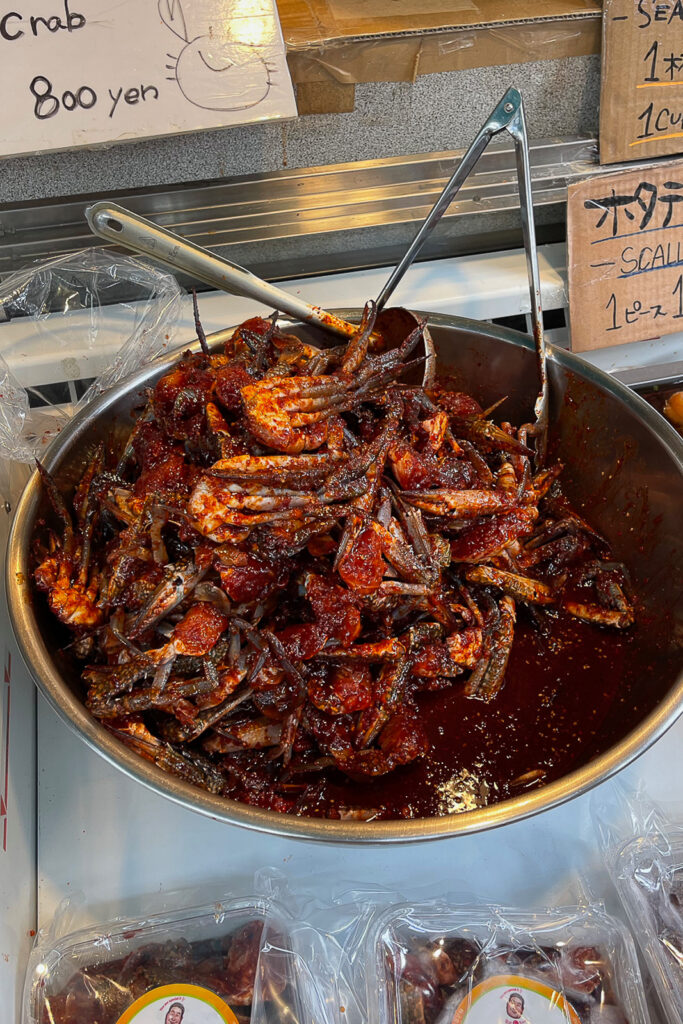
In Tokyo, there are plenty of places that serve sushi, but my favorite one is the Tsukiji outdoor market. It has a few cozy places that are tucked away between the hustling stalls of the market. They normally serve sushi at the bar and can only sit 10-12 people. You’ll have to wait in line, as it is on the first-come, first-served basis, but the wait is definitely worth it.
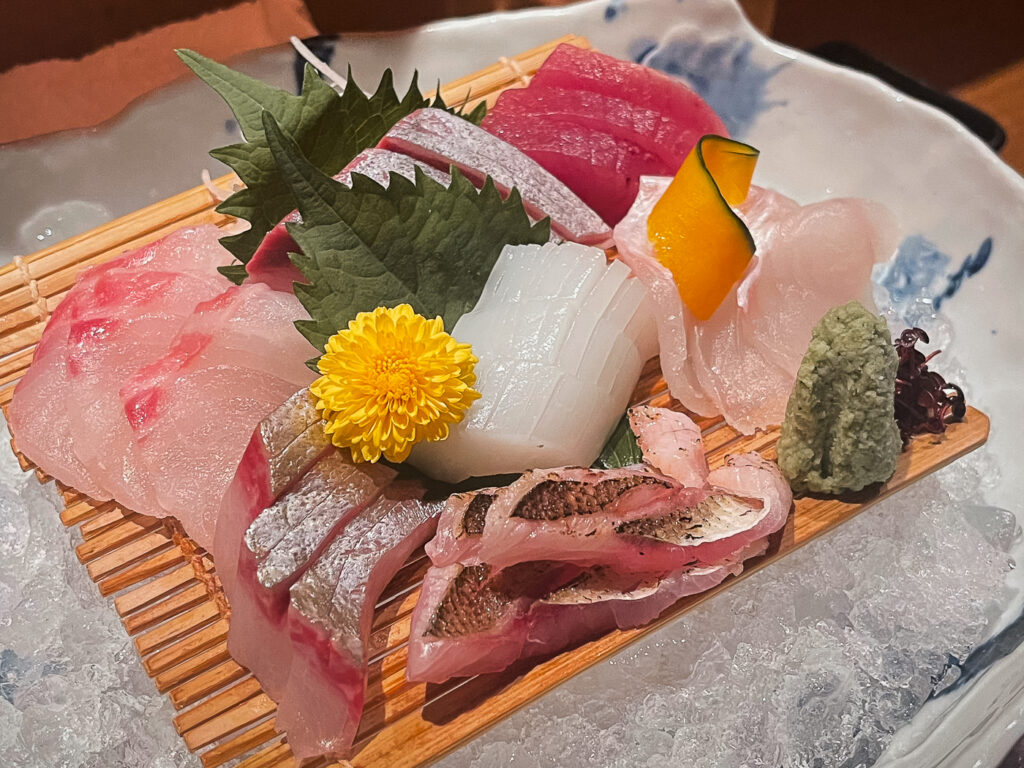
Expect sweet shrimp, briny sea urchin and my favorite melt-in-your-mouth otoro (fatty tuna).
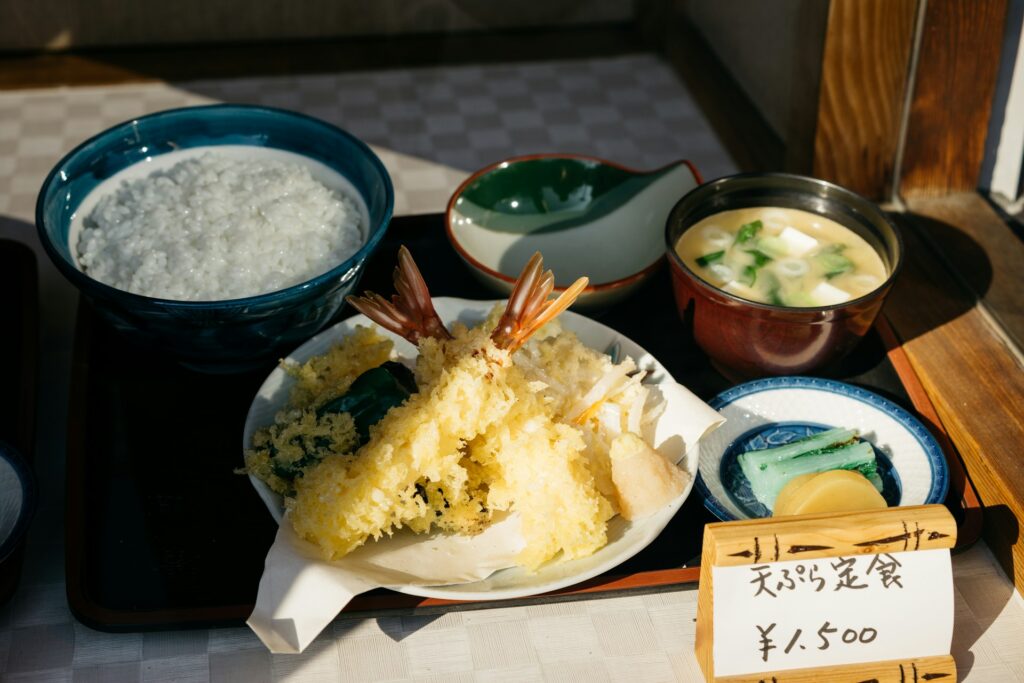
Tempura – Tokyo
The Portuguese traders introduced tempura to Japan in the 16th century. It’s seafood or vegetables coated in a light batter and fried until crisp.
In Tokyo, especially in Asakusa, you’ll find historic tempura restaurants that specialize in Edamame-style tempura. The batter is very light, and the oil is meticulously maintained for the perfect texture.
Shrimp tempura is the first choice that comes to mind, but do try vegetable tempura as well, like sweet potato or lotus root tempura.
Fugu – Shimonoseki
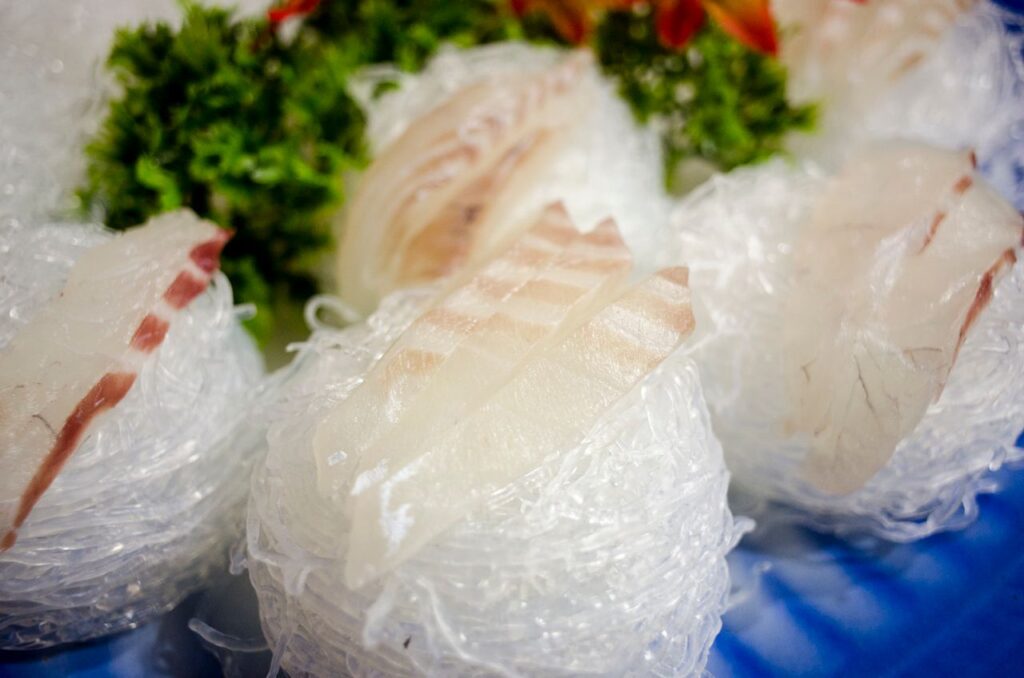
Fugu (pufferfish) is famous because it contains a potentially deadly toxin, so only licensed chefs can prepare it.
The city of Shimonoseki is Japan’s fugu capital. Fugu is typically served as super-thin sashimi arranged like a flower.
The flavor is very subtle and it’s more about the texture and experience than bold taste.
Meats
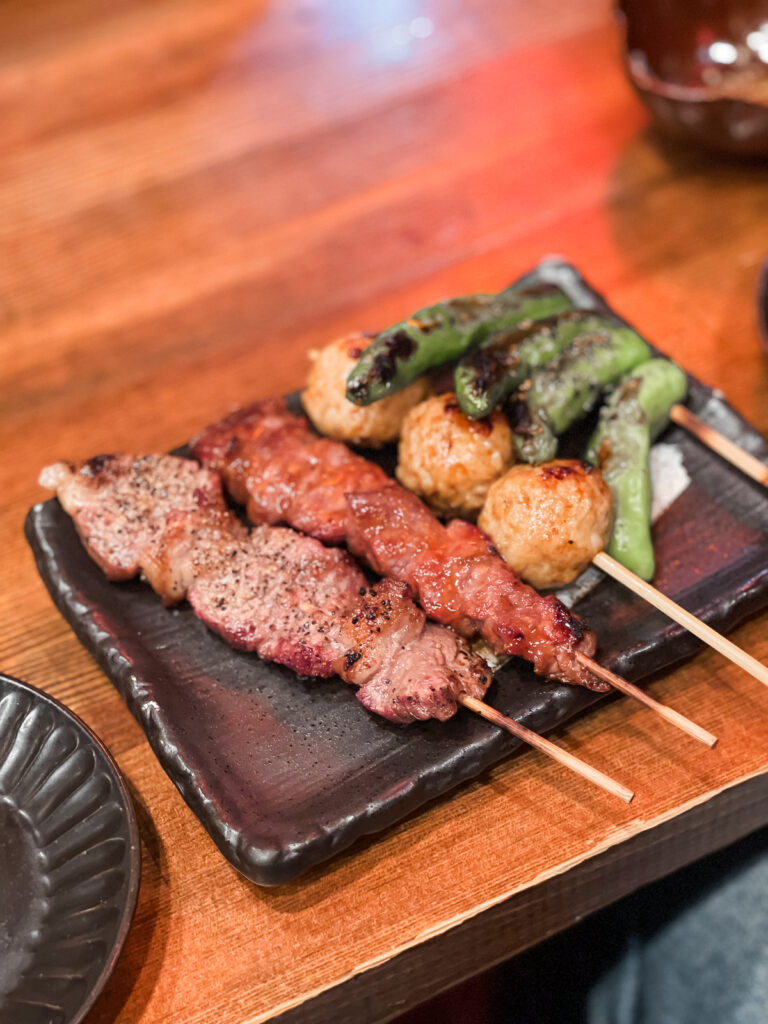
Yakitori – Tokyo
Now that I’ve covered some of the seafood dishes, let’s talk about the meat.
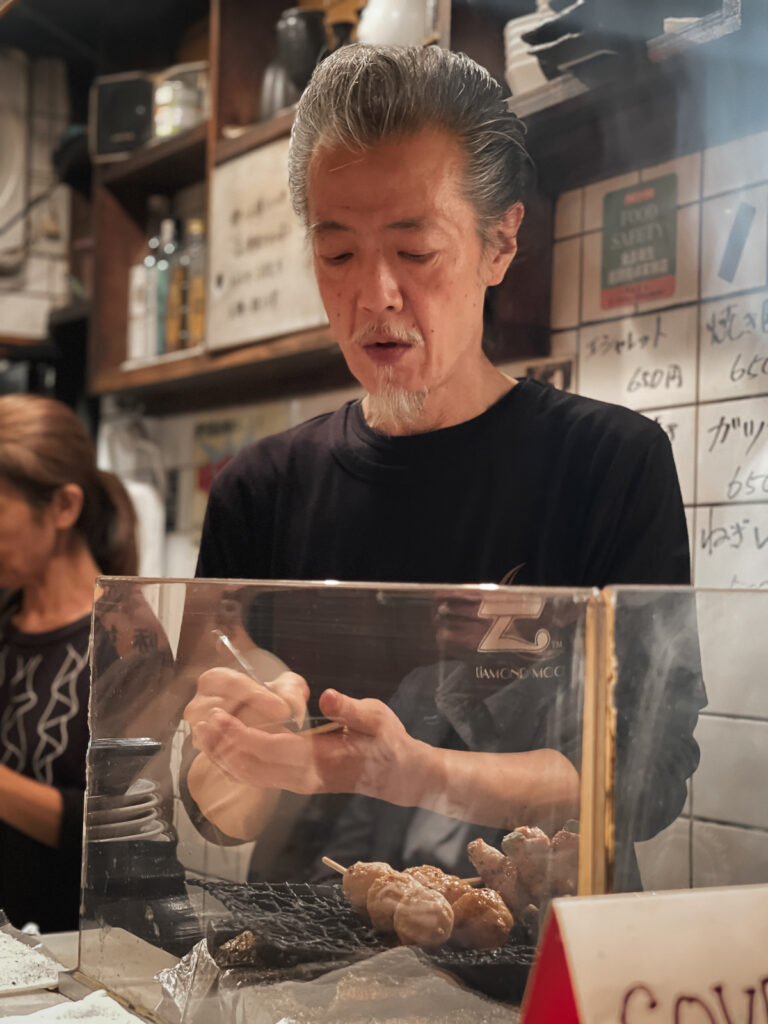
Yakitori is a popular Japanese dish of skewered grilled chicken often cooked with a savory tare sauce (sweet and savory glaze made from soy sauce, mirin, sake, and sugar) or salt. The name literally means “grilled bird” (yaki – grill, tori – bird/chicken).
You can try yakitori in Omoide Yokocho (Shinjuku neighborhood) – a narrow alley crammed with intimate, traditional yakitori stalls.
Tonkatsu – Kyoto and Kagoshima
Tonkatsu is a breaded, deep-fried pork cutlet, made with pork loin coated in flaky panko breadcrumbs.
It has a crispy exterior and juicy interior. It’s a type of Western-style Japanese food (yōshoku) that is usually served sliced, with rice, shredded cabbage, and a sweet and tangy tonkatsu sauce.
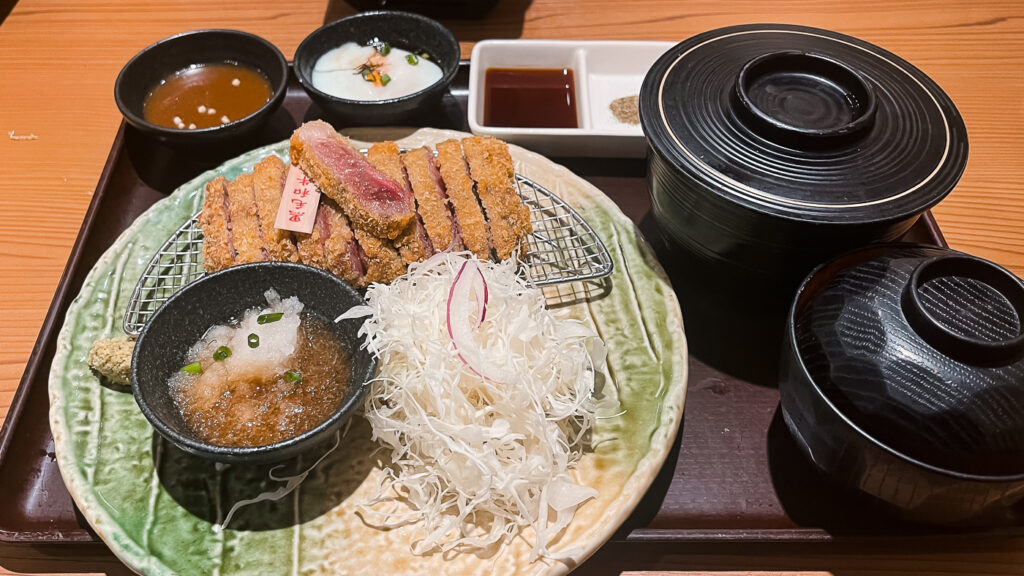
The most popular places to try this cutlet are in Shibuya and Ueno neighborhoods in Tokyo in places like Narikura and Marugo, and in Kyoto and Kagoshima, which are famous for Kurobuta pork.
Miso Katsu – Nagoya
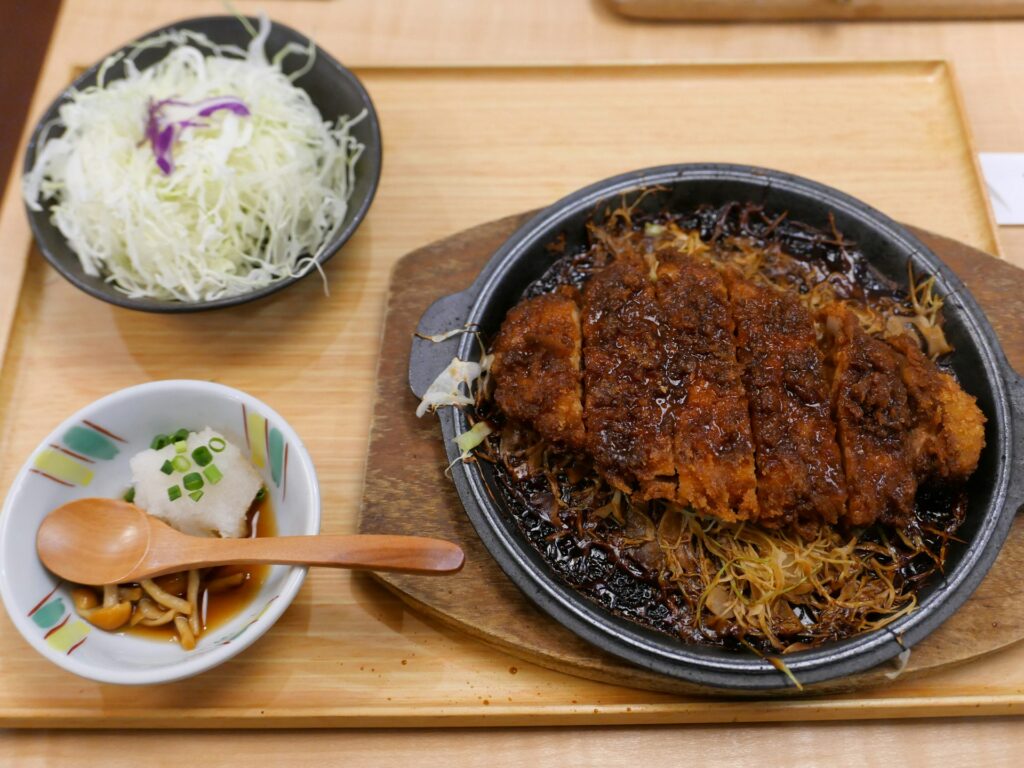
This dish takes on a different take on the tonkatsu pork cutlet. It’s a crispy pork cutlet topped with a rich, dark red miso sauce made from fermented soybean paste.
The sauce is savory and slightly sweet and transforms a simple tonkatsu into something uniquely Nagoya.
It’s usually paired with rice and shredded cabbage for the full experience.
A5 Wagyu Beef – Kobe, Yamagato, Hokkaido, Miyazaki, and Kagoshima
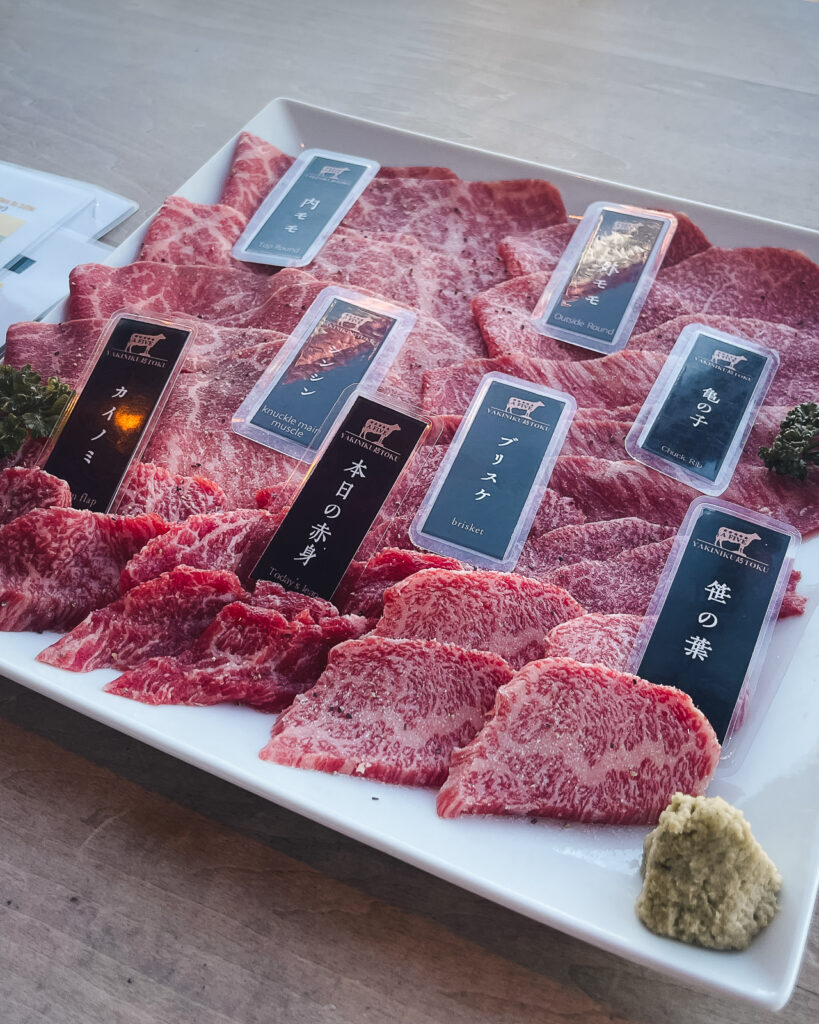
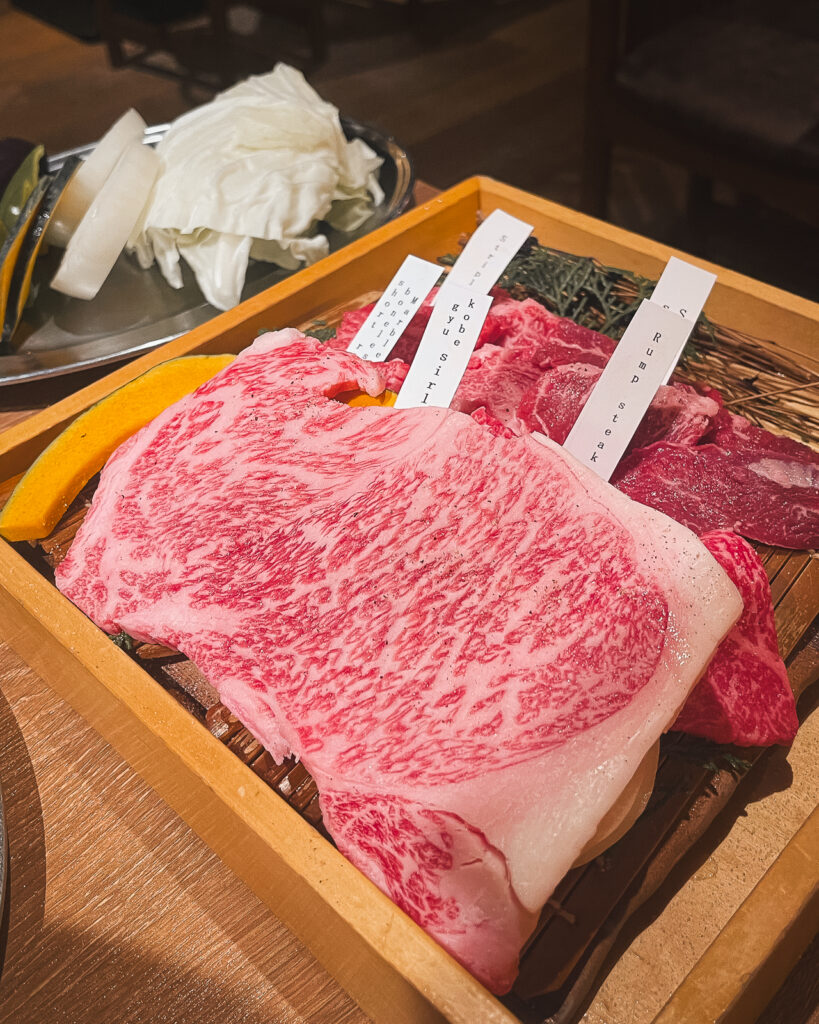
Japanese A5 Wagyu beef is the highest grade of Japanese beef that’s world-renowned for its tender and buttery texture, umami flavor and marbling.
The cattle are raised with meticulous care, often raised for up to three years (longer than most cattle). The cows are being fed a special diet that consists of rice, barley, and hay in a low-stress environment to produce the specialized fat, free from growth hormones.
It really does melt in your mouth!
Traditional Meals
Kaiseki – Kyoto
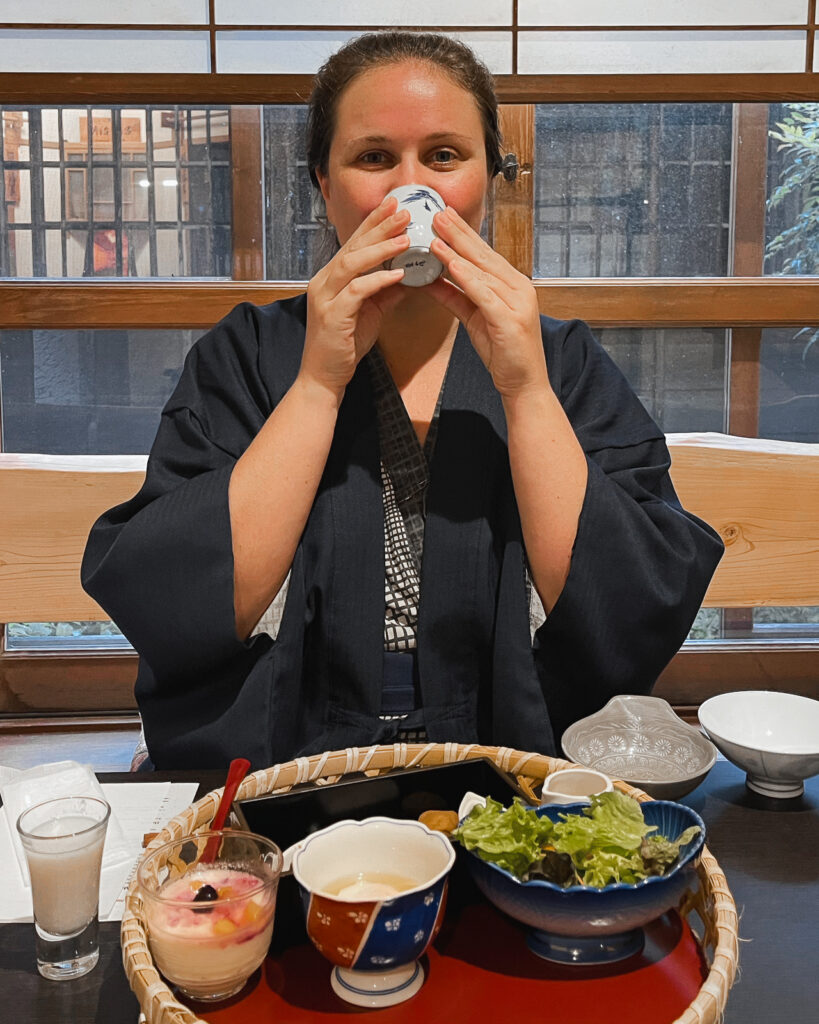
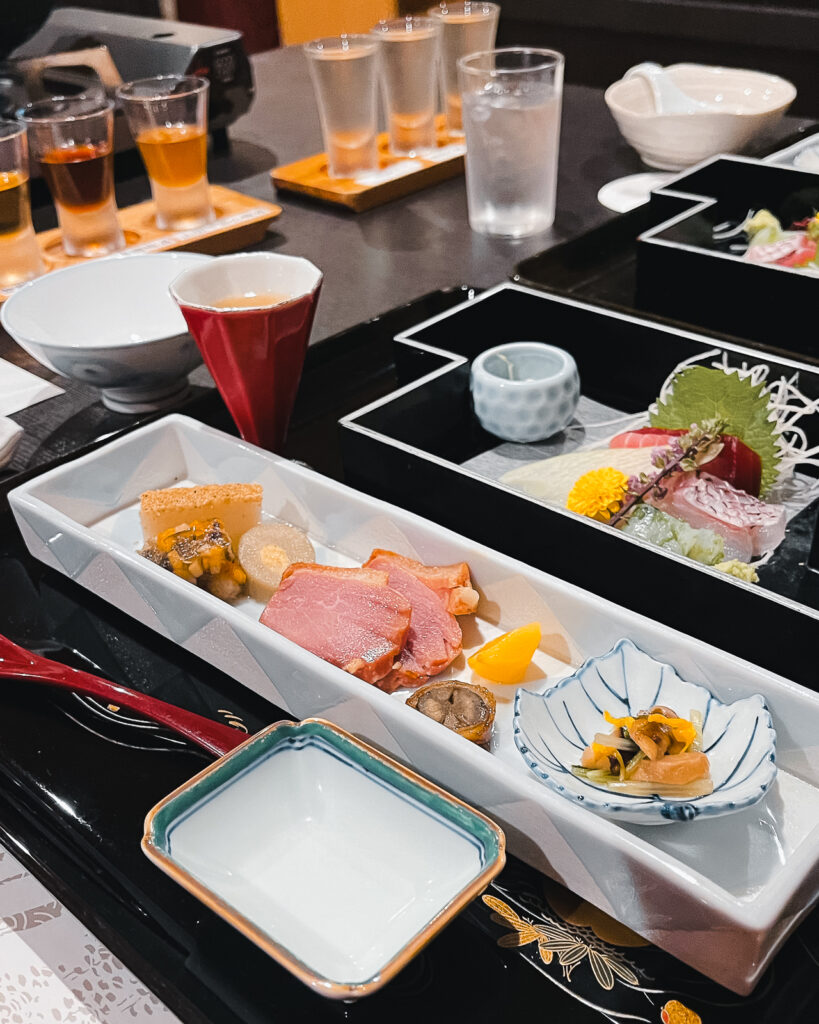
A kaiseki meal is more than just a meal; it’s an experience. This traditional multi-course, multi-plate meal focuses on artistic presentation, meticulous preparation and seasonal ingredients. It focuses on the balance between texture, taste, color and appearance.
A kaiseki meal usually features 6 to 18 courses – from appetizers to sashimi, grilled fish or meat, soups and delicate deserts. Each course is prepared to perfection and plated like fine art.
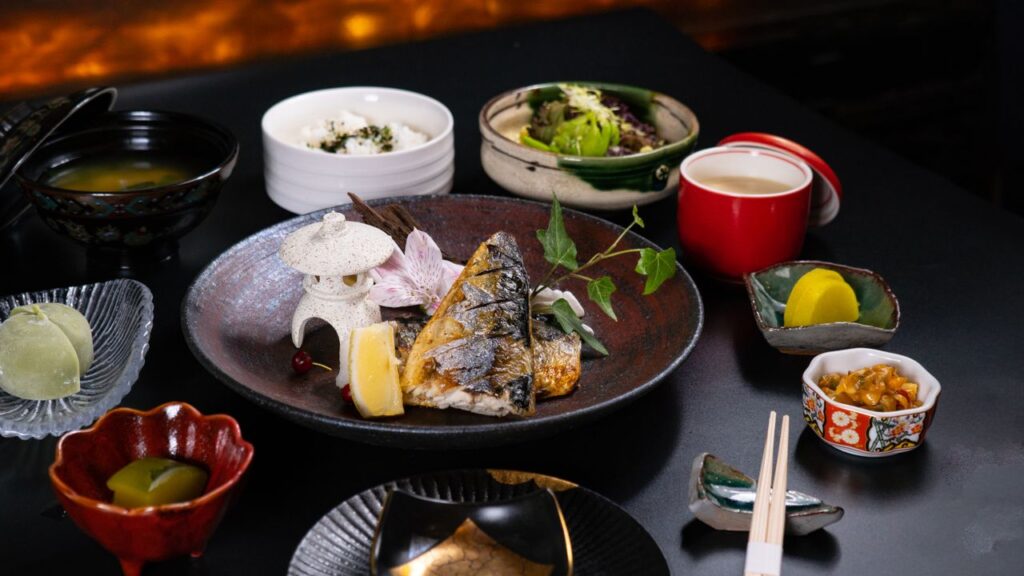
I recommend trying a kaiseki meal in a ryokan (a traditional Japanese inn) sitting in a room with tatami mats, overlooking a peaceful Japanese garden and fully immersing yourself in the Japanese culture.
Street Food and Snacks
Okonomiyaki – Osaka
Okonomiyaki is best described as a savory pancake made of wheat flour batter. In reality, it looks like Japanese pizza.
You can mix cabbage, pork belly, seafood, cheese, or whatever else that comes to mind, have the chef grill it on a flat iron plate and top it with sweet-savory okonomiyaki sauce, mayonnaise, bonito flakes, and seaweed powder.
The best place to try this dish is in Osaka, “Japan’s Kitchen.” Head over to Dotonbori district for some of the city’s best okonomiyaki.
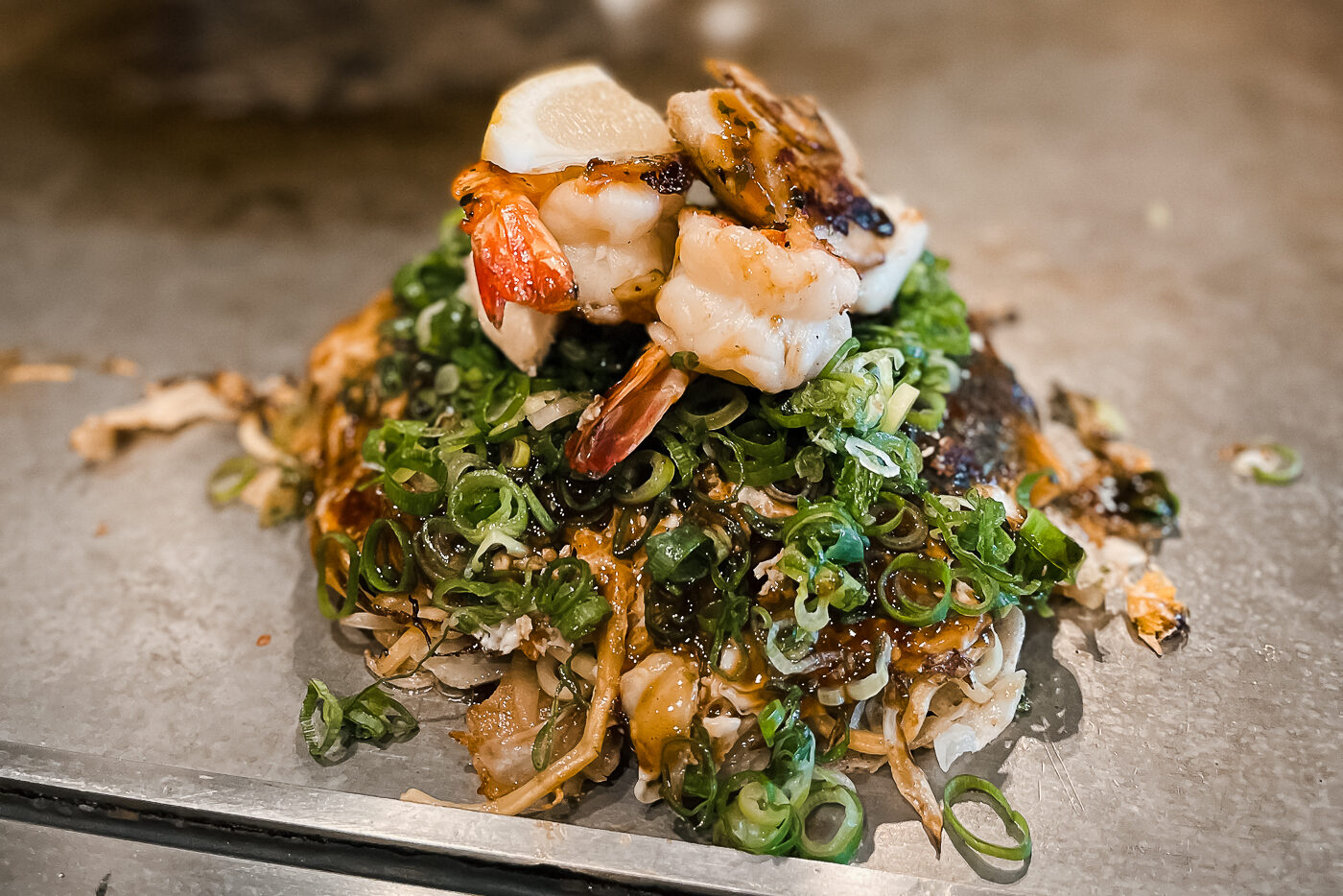
Another great place to try okonomiyaki is in Hiroshima. Here, instead of mixing the ingredients, they are layered: batter, cabbage, pork, yakisoba noodles, and egg stacked one on top of another. The noodles also make this dish heartier and more filling.
Takoyaki – Osaka
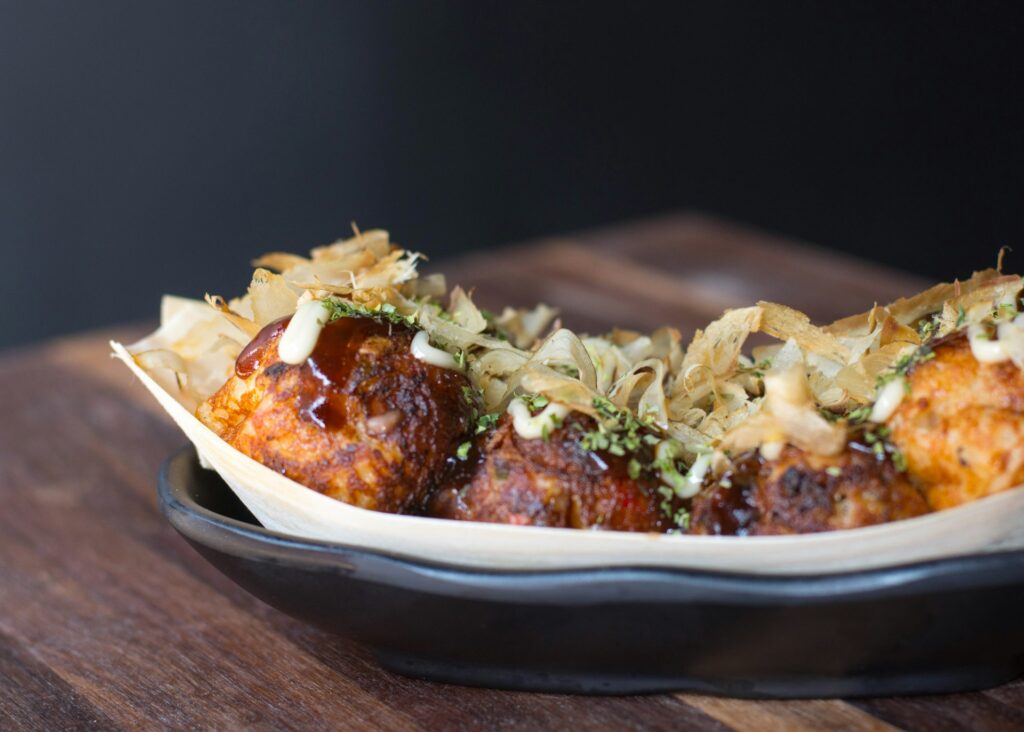
While you are exploring the Dotonbori district and its phenomenal street food, try Takoyaki – bite-sized batter balls filled with chunks of tender octopus.
They are made in special round molds, crispy on the outside, soft on the inside and are usually topped with mayo and bonito flakes.
Onigiri – Anywhere in Japan
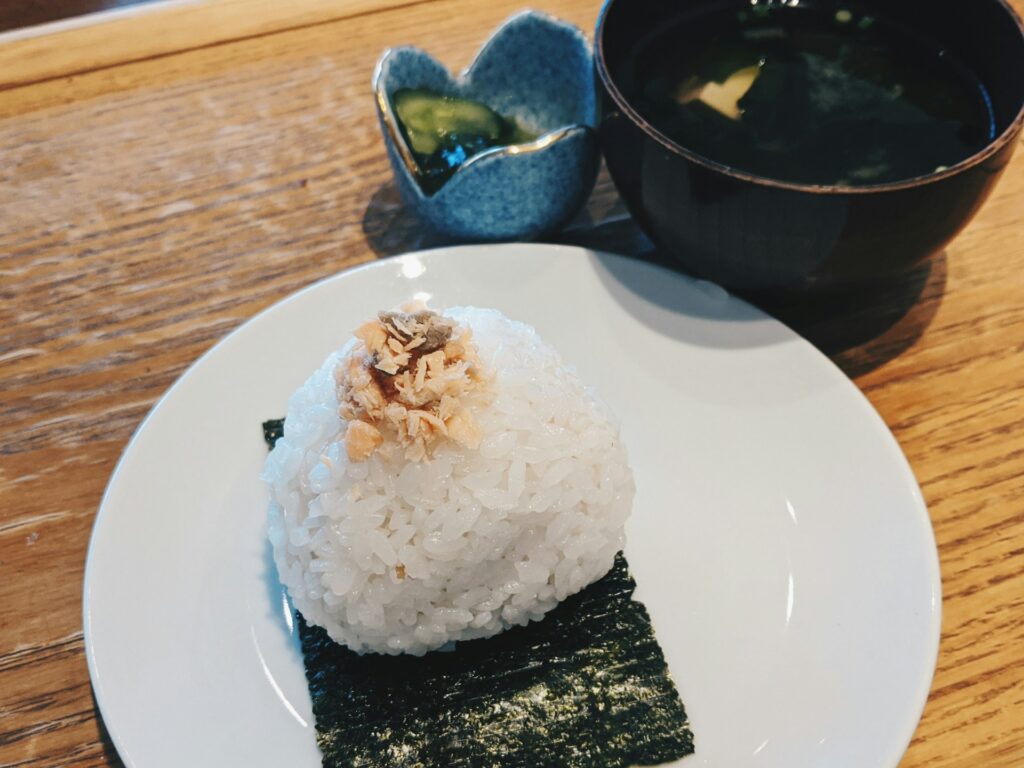
Onigiri is a popular, simple, on the go snack. It’s a Japanese rice ball, shaped as a triangle or cylinder, filled with salted salmon, pickled plum, kelp or tuna, and wrapped in seaweed.
It’s a versatile snack that can be picked up at any convenience store, like 7-Eleven, Lawson or FamilyMart.
Convenience Store Snacks and Vending Machines
Speaking of convenience stores – these are not your typical stores with mediocre food and questionable snacks that we have here in the U.S. These are the meccas of snacks in Japan.
Here you can buy anything from matcha deserts to sushi and bento boxes. Don’t even get me started on drinks and candy. You get the point – if you didn’t eat anything from 7-Eleven, did you even go to Japan?
Unagi (eel) – Bento Boxes at Train Stations
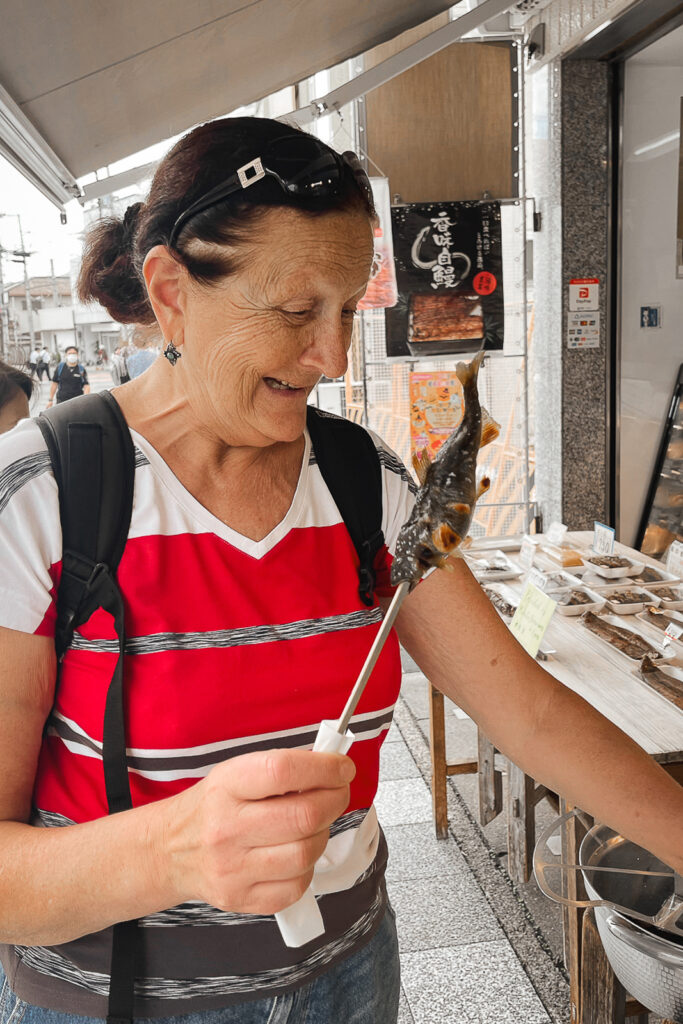
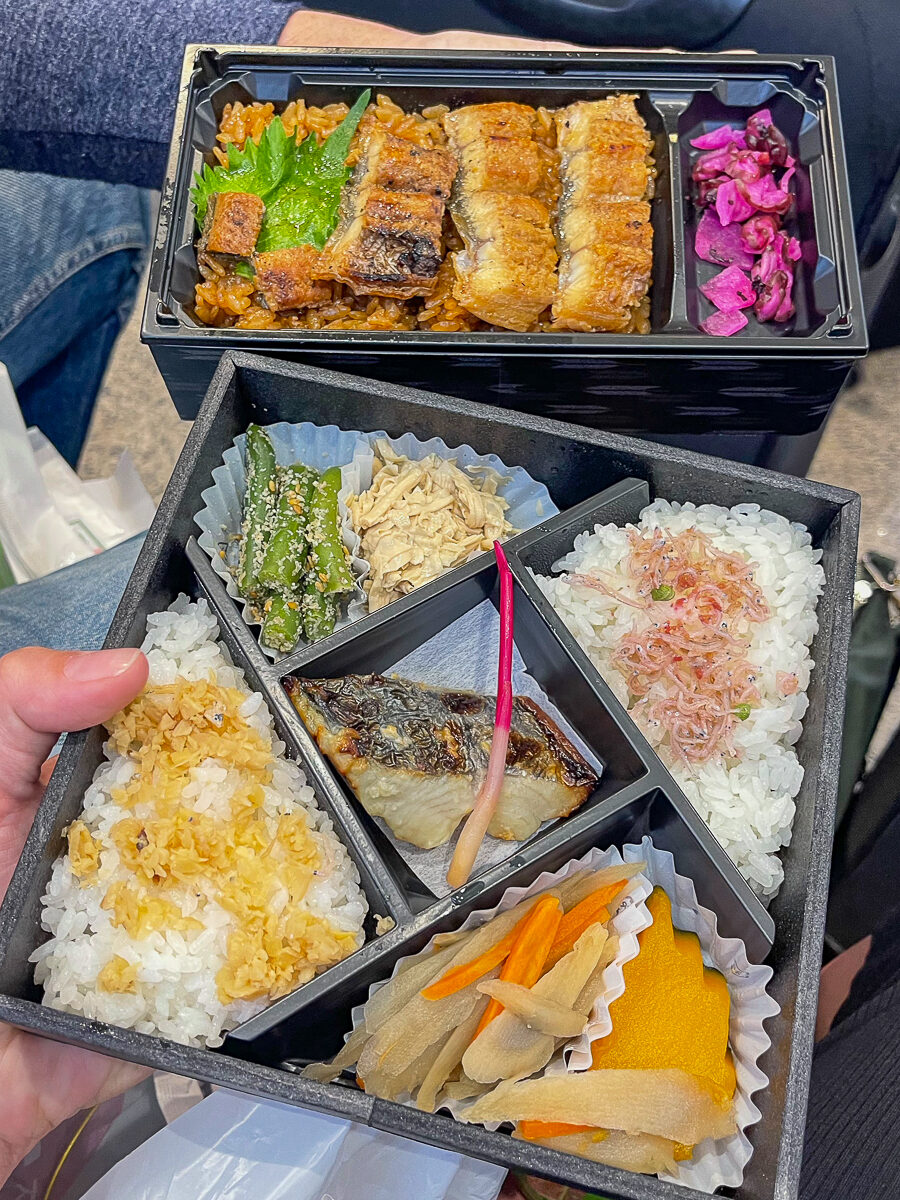
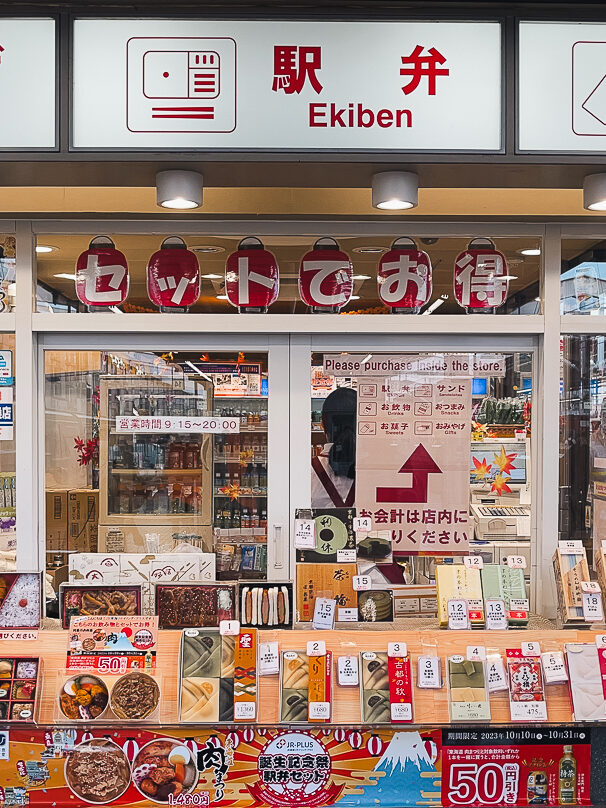
Now this sounds a little crazy — trying seafood from a vending machine at a train station — and no, you don’t have to do it this way. But the eel I had on a train on my way from Tokyo to Kyoto might have been the best eel I ever had in my life. I’m not kidding.
I never expected food from a bento box at a train station, of all places, to be so fresh, tasty and versatile. Obviously, if eating eel on a train is not your thing, there are plenty of restaurants all over Japan serving this simple, yet delicious, meal.
Korokke – throughout Japan
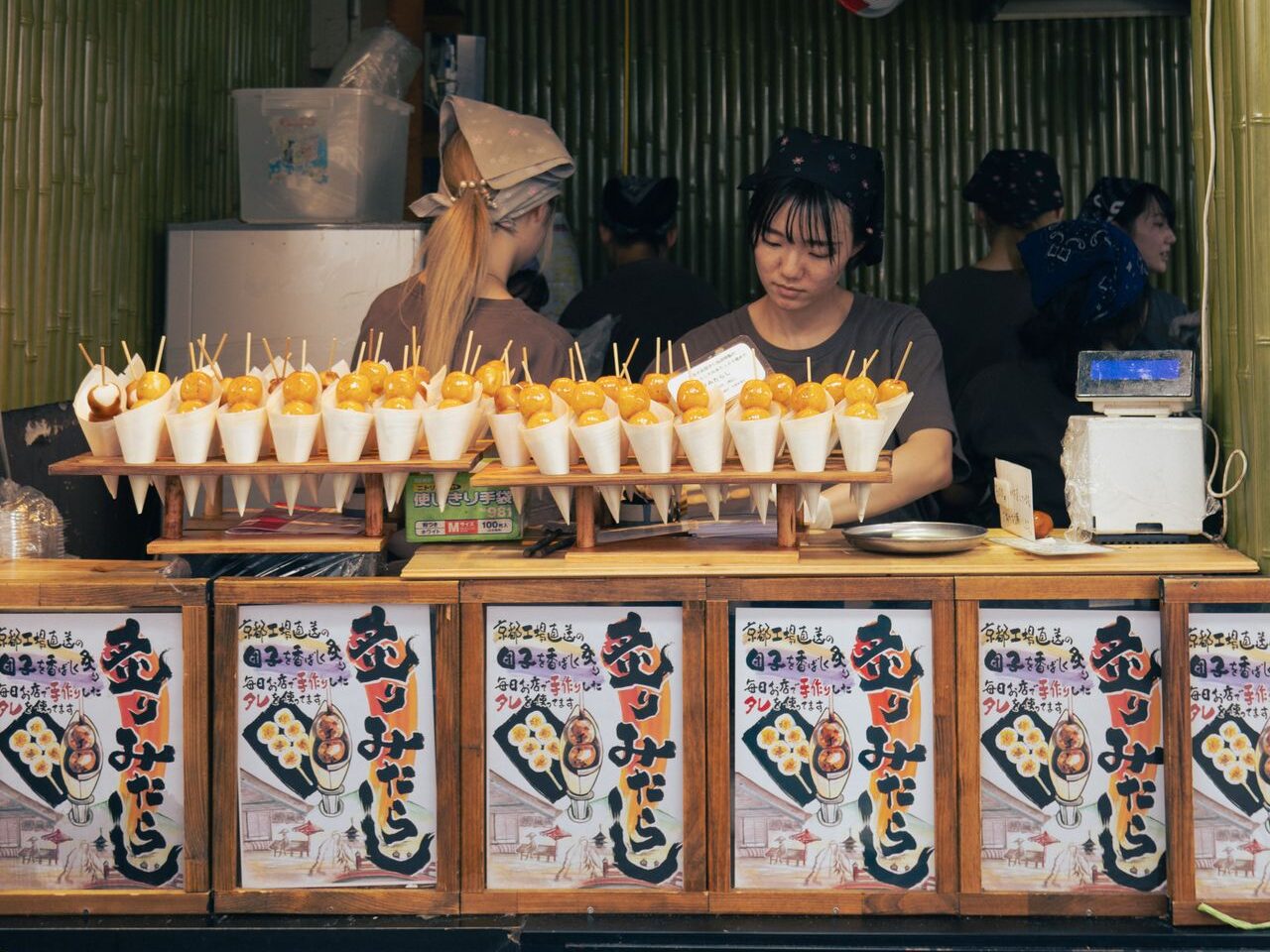
Korokke is the Japanese version of a croquette. It’s a deep-fried breaded patty that was introduced to Japan by the French in the late 19th century.
It’s prepared from different types of seafood, vegetables or chopped meat mixed with mashed potatoes. They are then rolled in wheat flour, breadcrumbs and eggs.
Korokke is an easy-to-eat street food snack that’s popular throughout Japan and can be found in grocery stores or outdoor kiosks.
Soups and Ramen
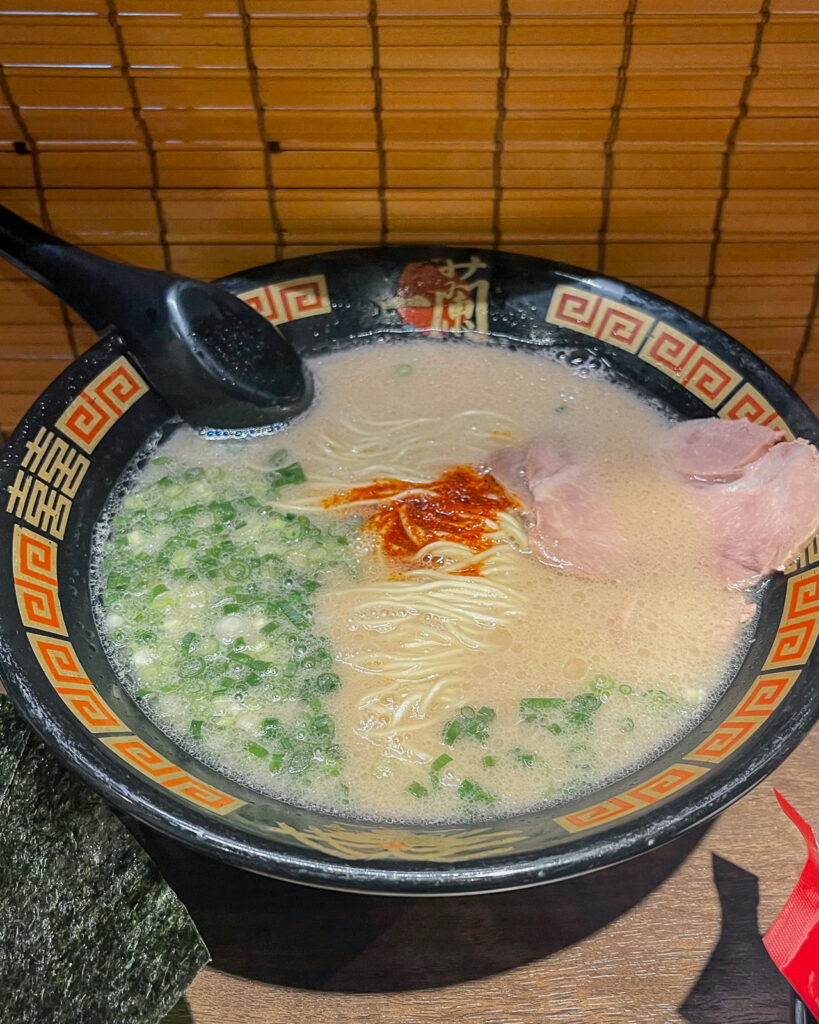
Ramen – Fukuoka
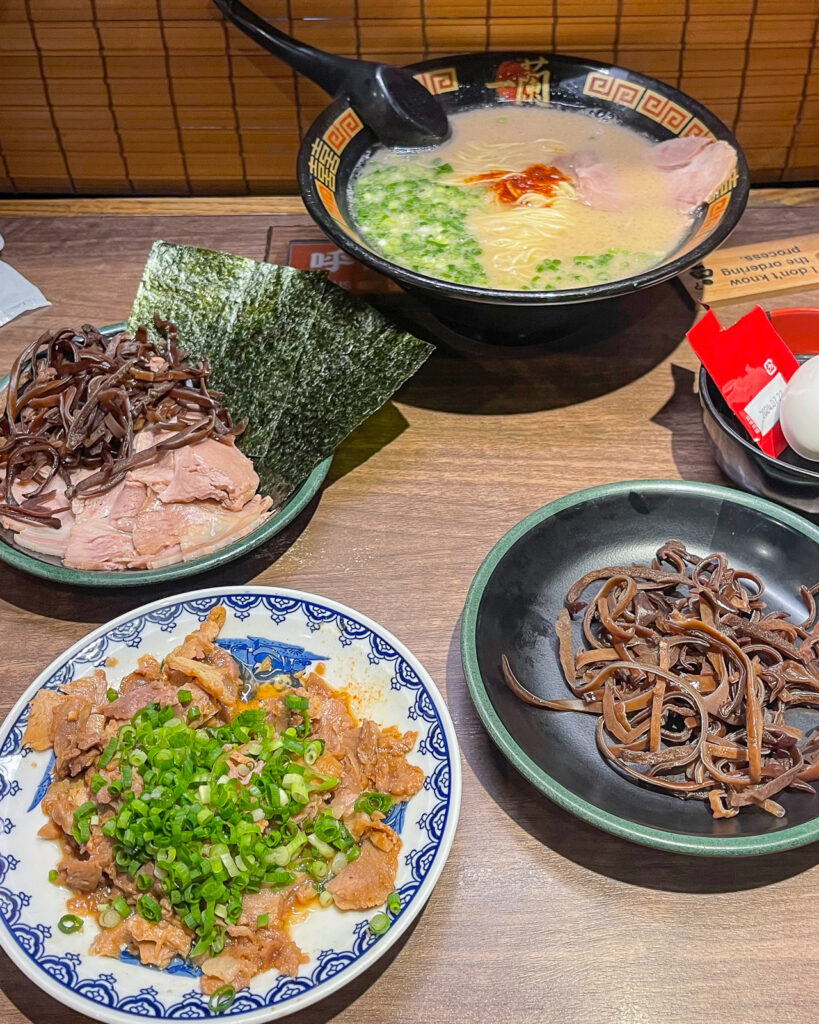
Every region of Japan has its own style of ramen, but the most famous is probably Hakata ramen that originates from Fukuoka.
Hakata ramen is made from rich creamy tonkotsu (pork bone) broth with thin firm noodles and garnished with chashu pork, green onions, soft-boiled eggs and pickled ginger.
The best place to eat Hakata ramen in Fukuoka is under the glowing lanterns of the yatai stalls – open-air stalls lining the streets at night. It’s a quintessential Japanese experience.
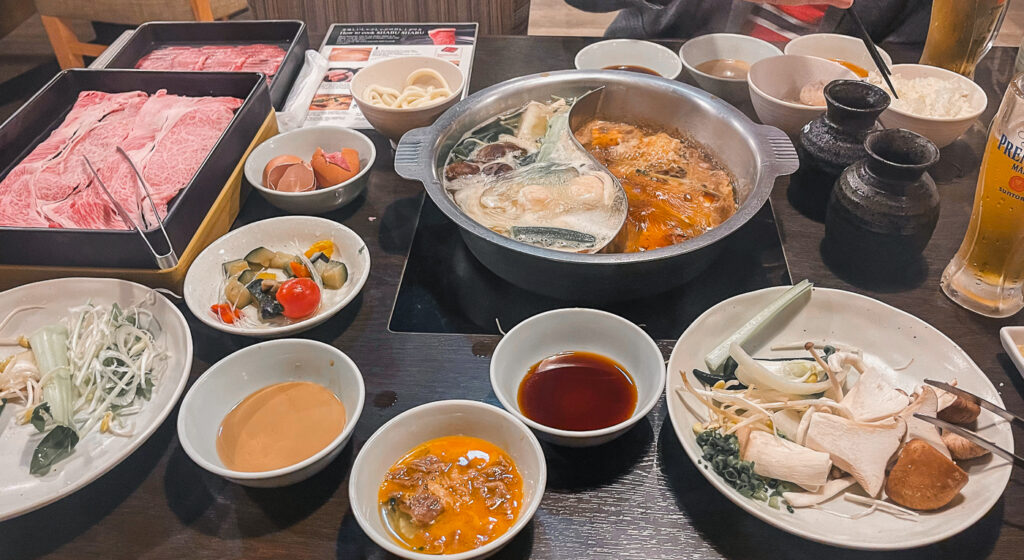
Shabu-Shabu – Tokyo
After ramen, shabu-shabu is my second favorite soup. It’s the Japanese version of the hot pot. The name shabu-shabu comes from the swish-swish sound, referring to the sound of moving the thinly sliced meat back and forth in the simmering broth while it cooks to perfection.
Shabu-shabu is a great social dish that you can enjoy with friends. The ingredients are brought to the table, and you cook them the way you like.
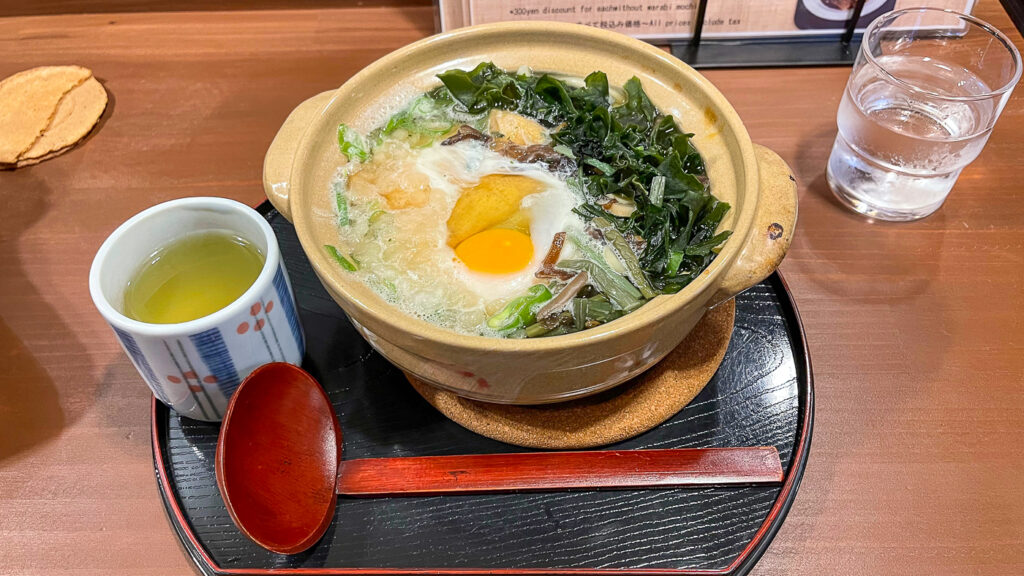
Udon – Kagawa
These thick, chewy, and comforting noodles, made from wheat flour, water and salt, are a beloved food throughout Japan. But Kagawa Prefecture is known as the udon capital.
Kagawa’s regional style udon, Sanuki udon, features firm, springy noodles served either hot in broth or cold with dipping sauce. It’s all about texture and wheat flavor. Eating udon is typically very casual and places that serve these delicious noodles resemble cafeterias.
Desserts
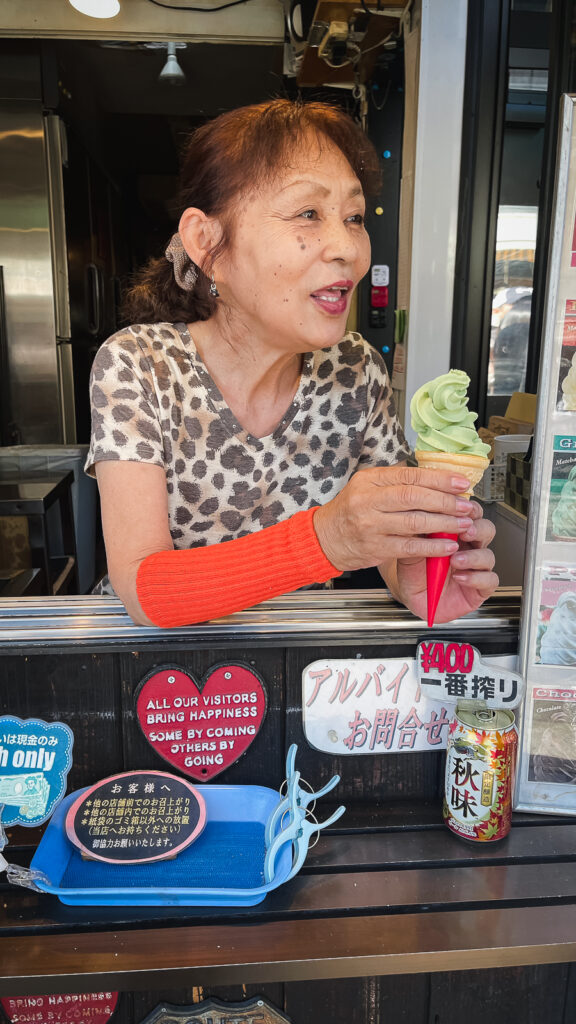
Matcha Desserts – Uji
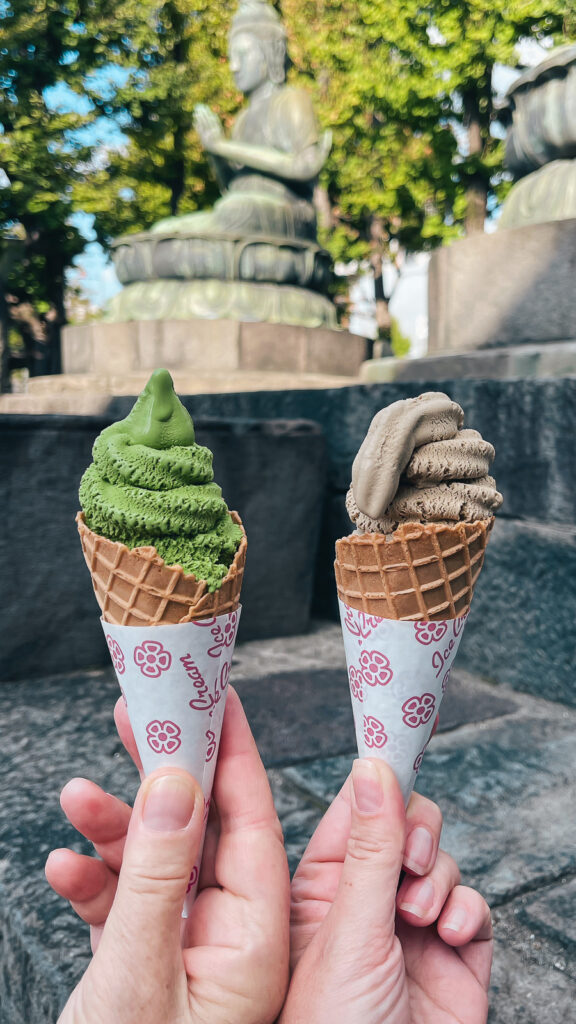
No trip to Japan is complete without matcha. You’ll find some of the highest-quality matcha – green tea – in the country just outside of Kyoto, in Uji.
Pay a visit to a historic tea house to experience drinking matcha the traditional way or indulge in one of the many deserts like matcha parfait, soft-serve ice cream or pudding.
Now, while I absolutely love my matcha in a traditional tea form, I am not a huge fan of matcha in deserts. A bitter tasting dessert is an acquired taste. Nevertheless, you should absolutely try it all.
Taiyaki – Tokyo
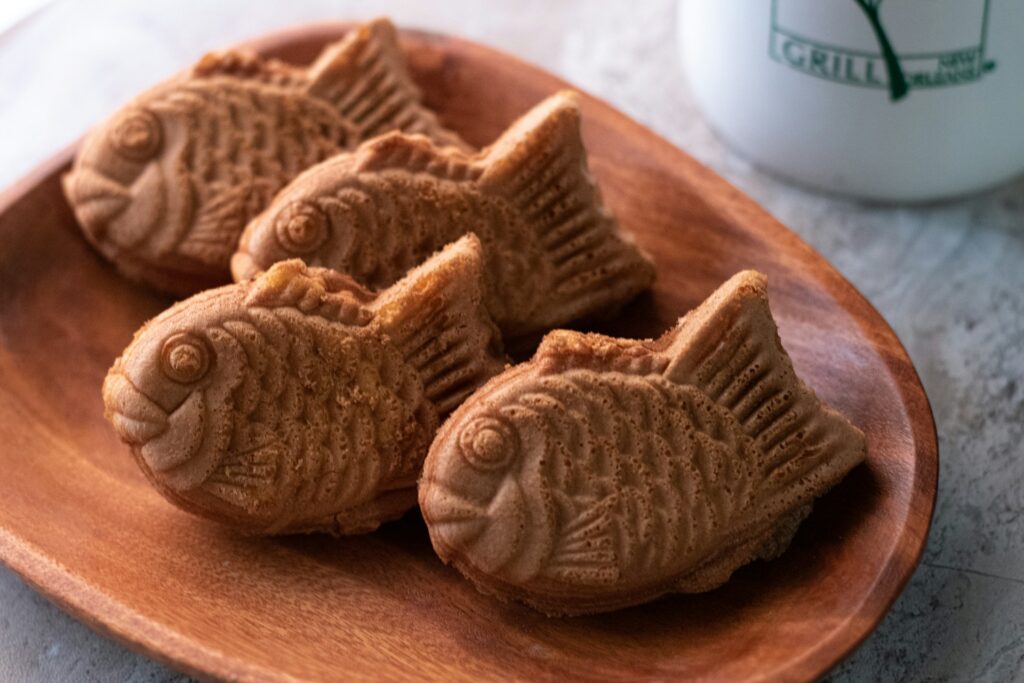
Sticking with the dessert theme, another popular street food is taiyaki, a baked cake in a shape of a fish. It is similar to a waffle usually filled with red bean paste, custard, chocolate, sweet potato, or even cheese. You can find it in any stall all over Tokyo.
Daifuku – Tokyo and Kyoto
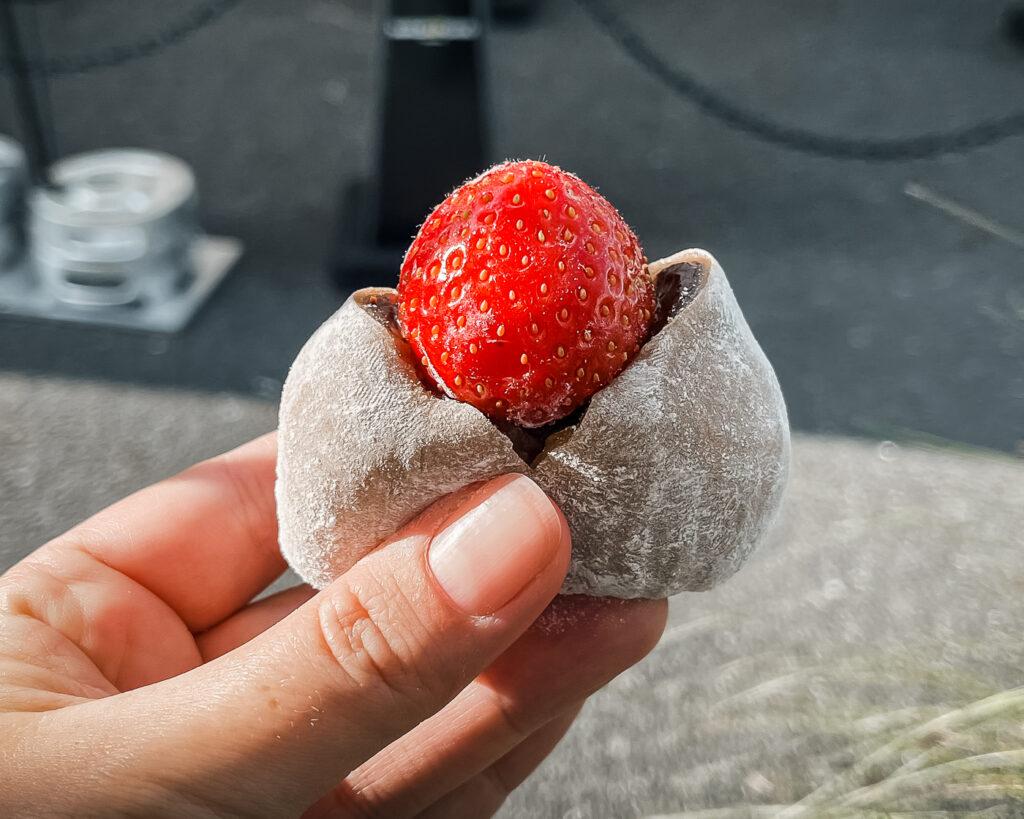
This is a popular Japanese treat made from mochi (rice cake) stuffed with red bean paste and topped with various fruits, like strawberries. “Daifuku” in Japanese means “great luck” and resembles a fortune cookie in shape. It’s normally served with tea.
Tokyo is historically considered the birthplace of the modern sweet daifuku whereas Kyoto is known for the more traditional chestnut daifuku.
Final Thoughts
Japanese cuisine is deeply regional and rooted in centuries-old tradition and craftsmanship. One of the greatest pleasures of traveling through Japan is discovering how drastically different flavors shift from region to region. A bowl of ramen in Tokyo tastes nothing like one in Sapporo and okonomiyaki in Osaka is a completely different experience from Hiroshima’s version.
So come hungry. Wander through the markets. Sit at tiny counters. Try the unfamiliar. Japan rewards the curious eater — and I promise, it will be one of the most memorable and delicious journeys of your life.