Lahore, Pakistan: The Ultimate Guide to Mosques, Food, and Day Trips
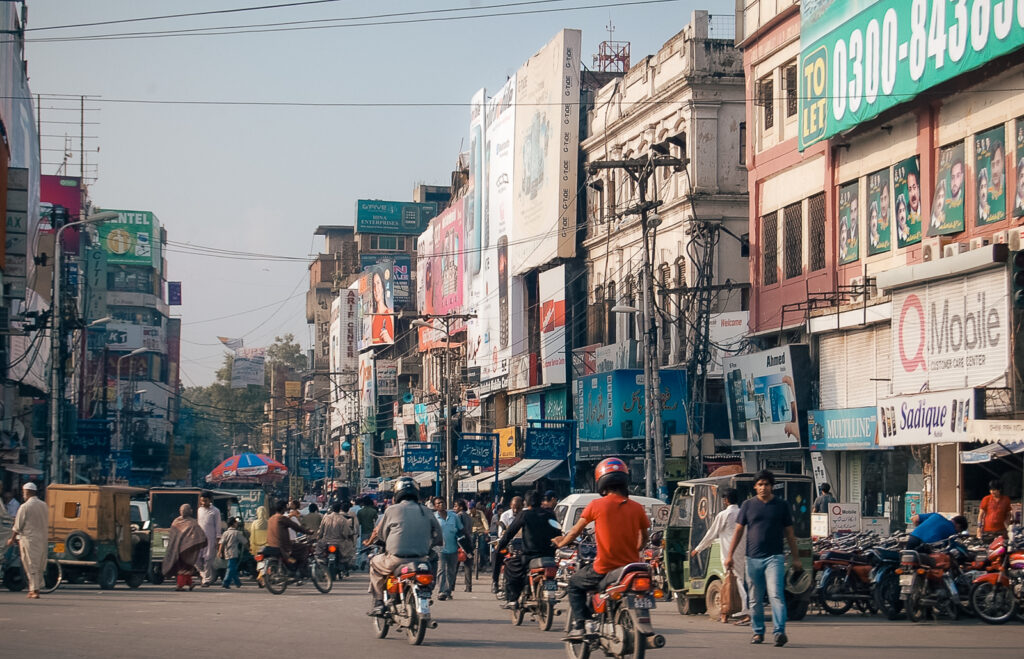
Lahore is not just a city — it’s a feeling. It’s the scent of sizzling street food at midnight, the echo of the call to prayer bouncing off five-hundred-year-old Mughal walls, and the warm and humid chaos of a metropolis that has been doing its thing since before most countries even existed.
Lahore is Pakistan’s cultural capital – it’s bold, beautiful, and wildly underrated on the global travel circuit. If you haven’t been yet, it’s time we fix that. Here’s everything you need to know.
Is Lahore Safe to Visit?
Let’s address the elephant in the room first. Pakistan often gets an unfair reputation in the Western media, but the reality on the ground — especially in Lahore — is far more welcoming than the headlines suggest.
Lahore is one of Pakistan’s safest cities for tourists, with a heavy security presence around major tourist attractions and a local culture that is memorably hospitable. Pakistanis are genuinely proud of their country and love showing it off to visitors.
That said, apply the same common sense you would anywhere else in the world: avoid poorly lit areas late at night, keep your valuables out of sight, and stay aware of your surroundings. Check your government’s latest travel advisory before you go, as conditions can change.
If you are a solo female traveler specifically: Lahore is navigable, but you’ll attract significantly less unwanted attention if you dress modestly (more on that below). I felt safe and welcomed, even though many people asked to take a picture with me (mostly with their kids), but they were always respectful about it.
I would highly recommend a local guide to make the experience of visiting this bustling city smoother.
Dress Code for Women (and Everyone, Really)
Pakistan is a predominantly Muslim country, and modest clothing is both culturally respectful and practically helpful — you’ll blend in better and attract less attention. This means covering your shoulders, and sometimes arms, chest, and legs. This goes for both women and men.
For women, loose pants or a long skirt paired with a tunic or long-sleeved top is ideal. Always bring a lightweight scarf (dupatta) for visiting mosques and shrines, where you’ll need to cover your hair.
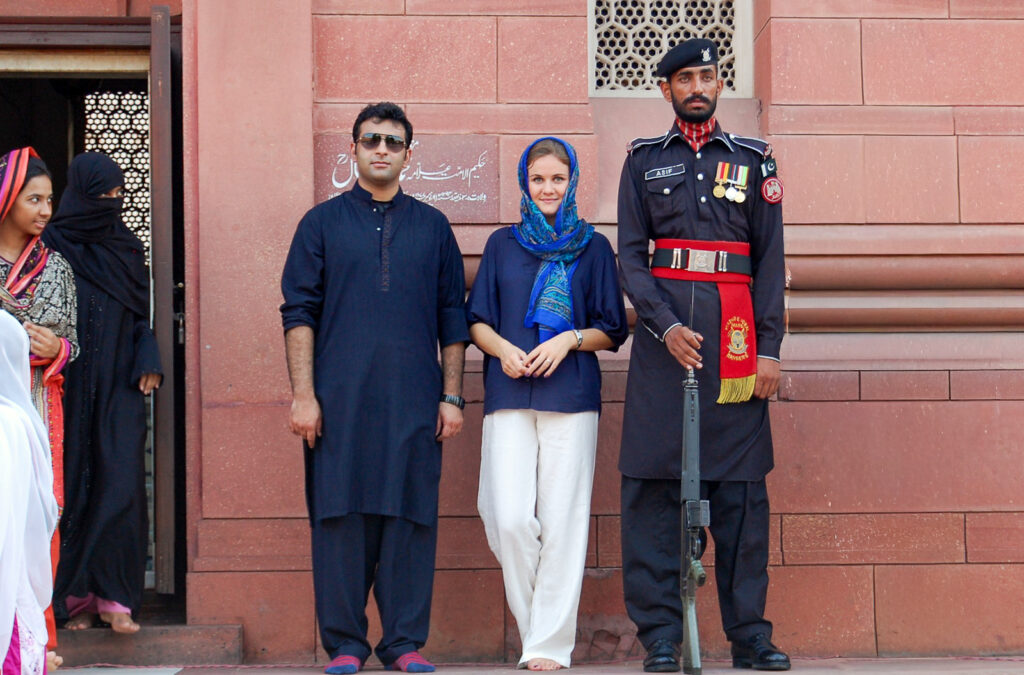
You don’t need to wear traditional Pakistani dress (shalwar kameez) though it’s gorgeous and you absolutely should pick one up at the markets. Loose, modest Western clothing works well. Avoid sleeveless tops, shorts, or anything form-fitting or see-through in public spaces. Inside mosques, full covering is required — even men should wear long pants and avoid sleeveless shirts.
Now on to the iconic landmarks of Lahore.
The Must-See Landmarks of Lahore
Badshahi Mosque — The Grande Dame of Mughal Architecture
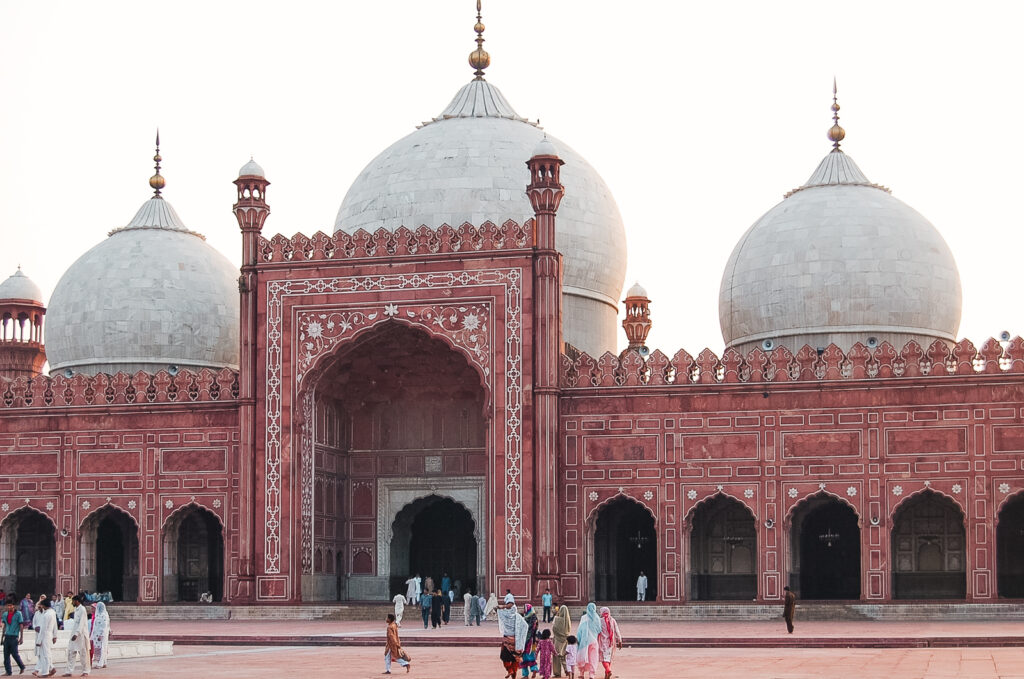
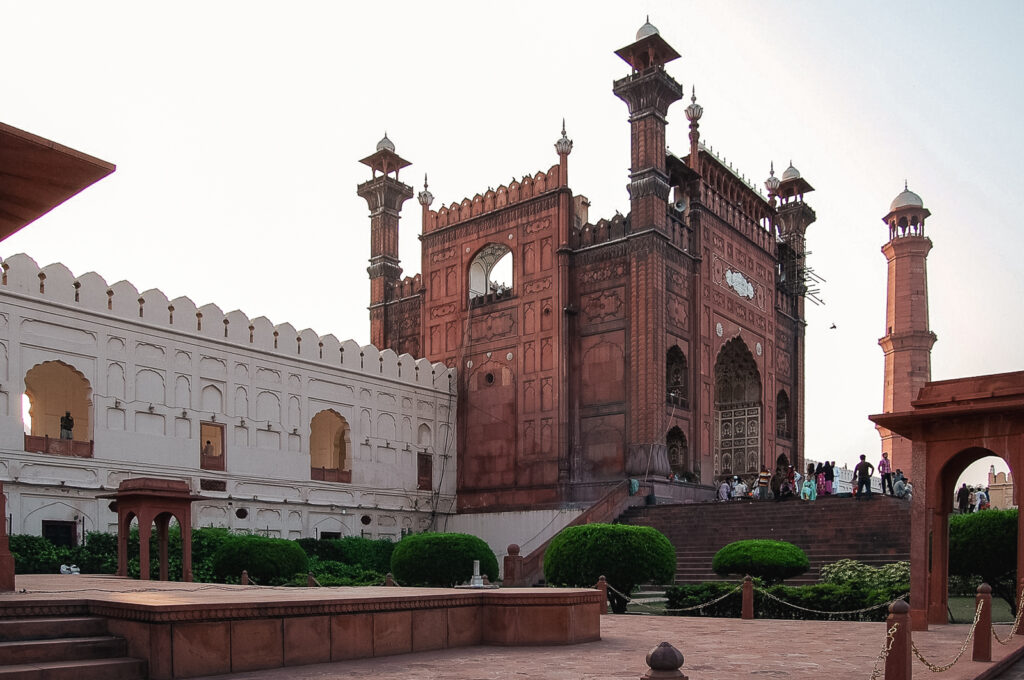
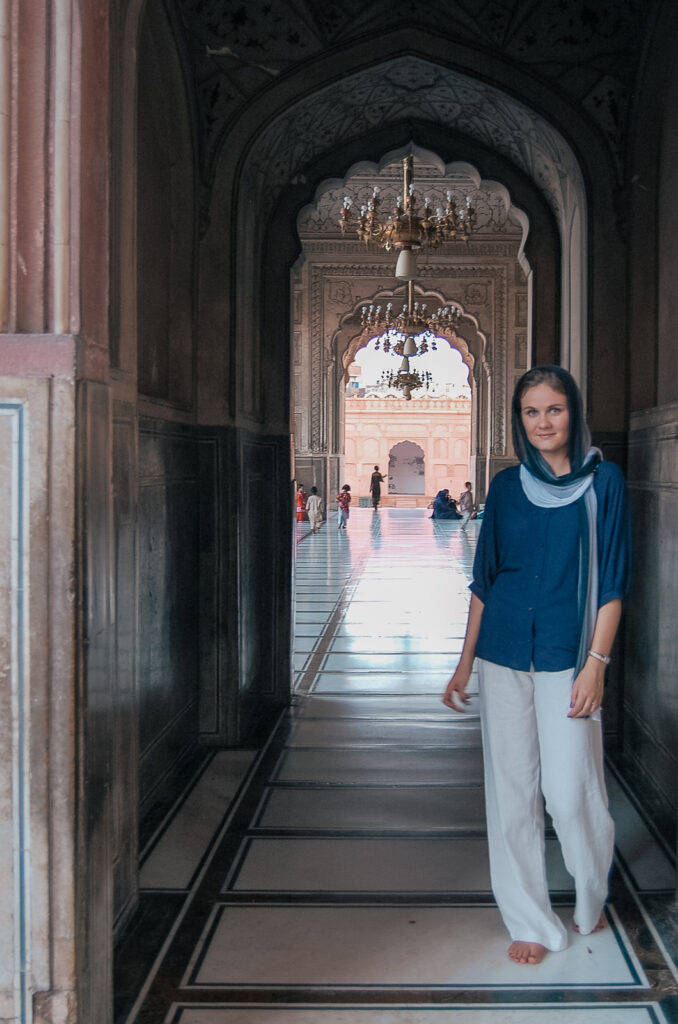
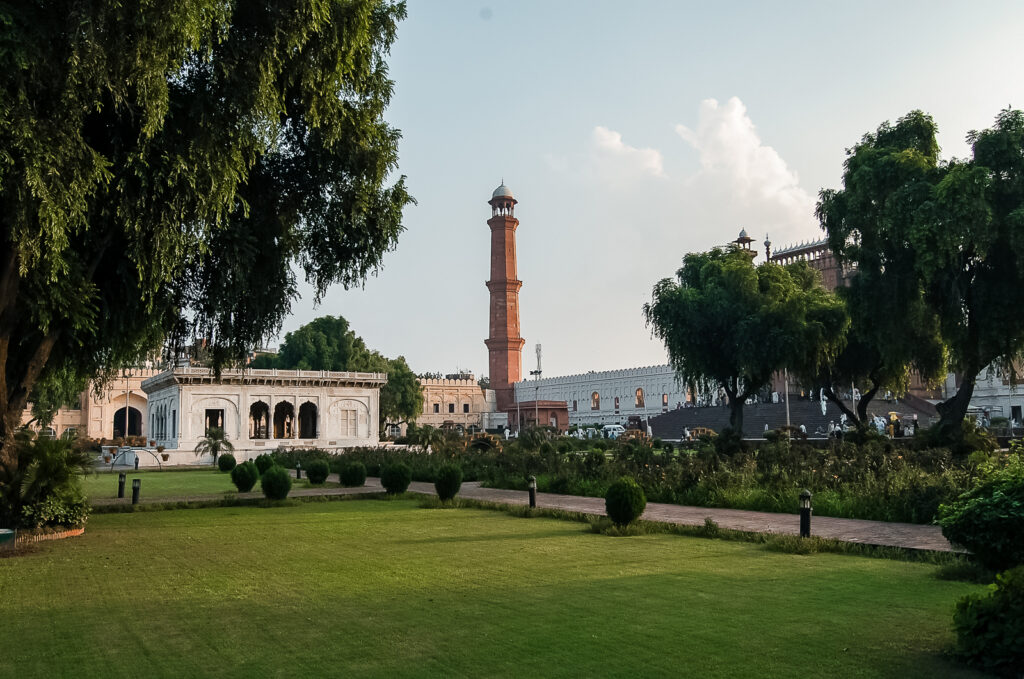
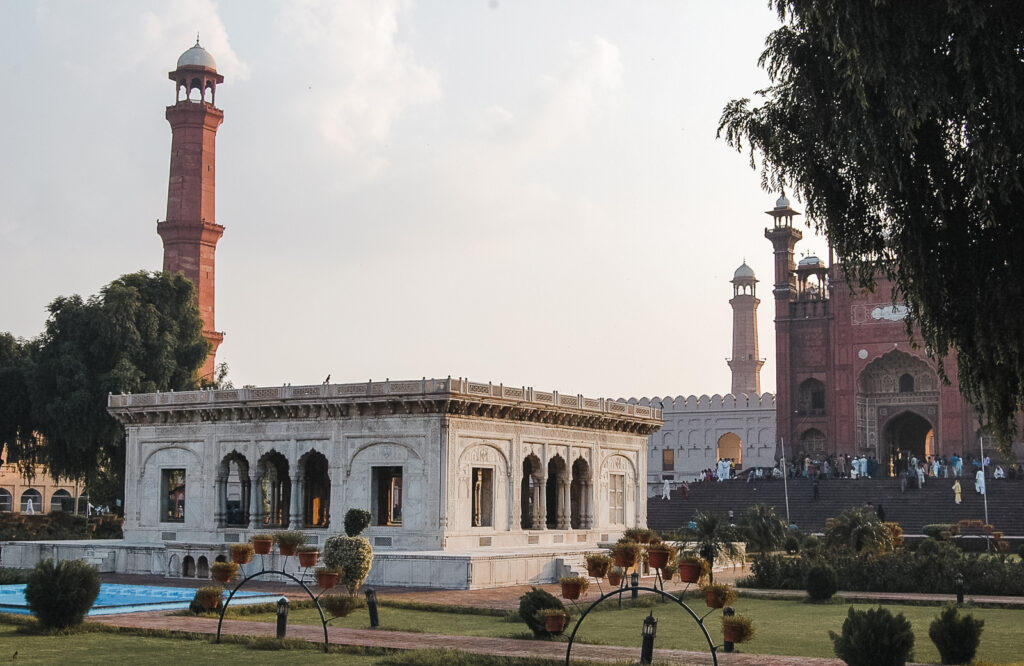
If you do nothing else in Lahore, go to Badshahi Mosque. Built in 1673 by the Mughal Emperor Aurangzeb, this stunning structure was once the largest mosque in the world and can hold up to 100,000 worshippers in its courtyard alone. The red sandstone and white marble, the colossal gateway, the intricate floral inlays — it’s the kind of place that makes you forget words.
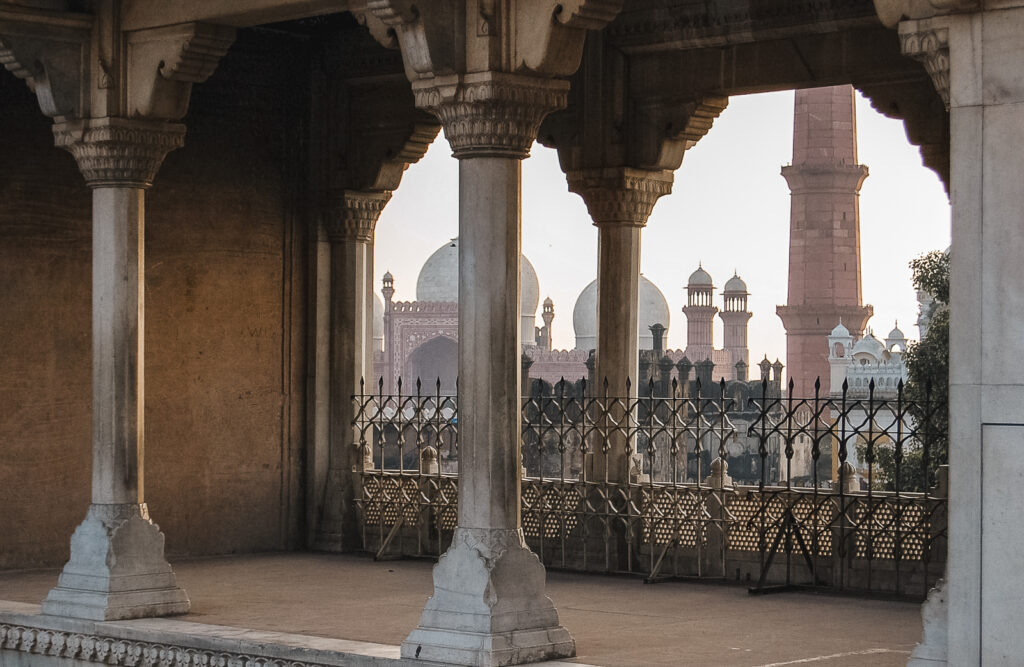
Enter through the main eastern gate, don’t forget to remove your shoes (shoe storage is provided), and take your time. Early morning or golden hour visits are particularly magical.
I highly recommend hiring a guide for this visit. He will explain the history of this magnificent building and show you cool things, like whispering secrets into room corners (hint: a person standing in the opposite corner far away from you will be able to hear it – try it out!).
Lahore Fort (Shahi Qila) — Where Mughal Emperors Lived
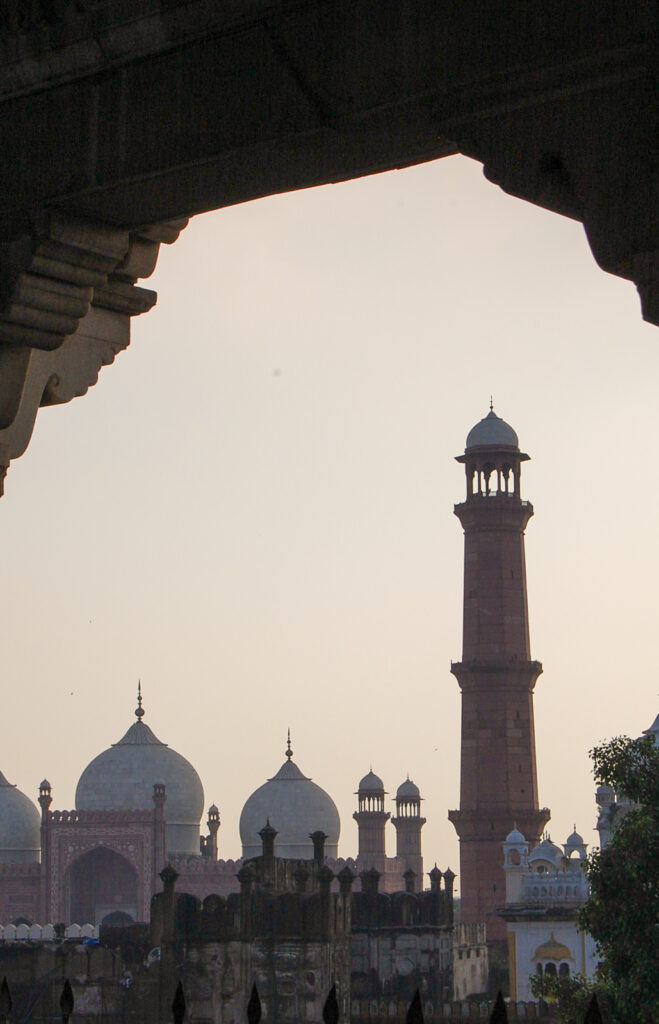
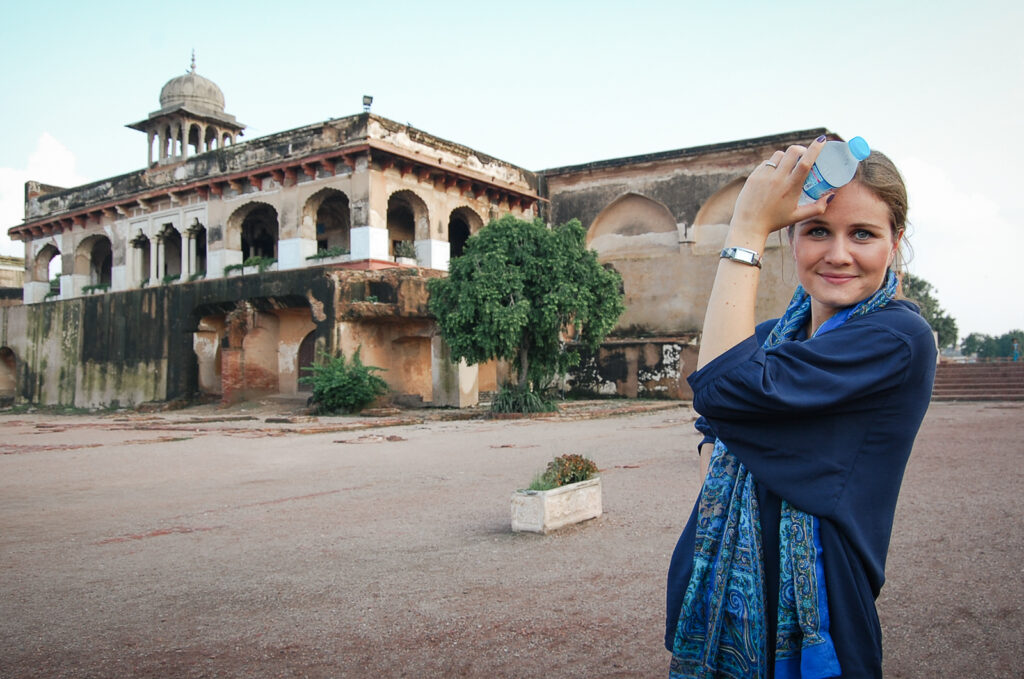
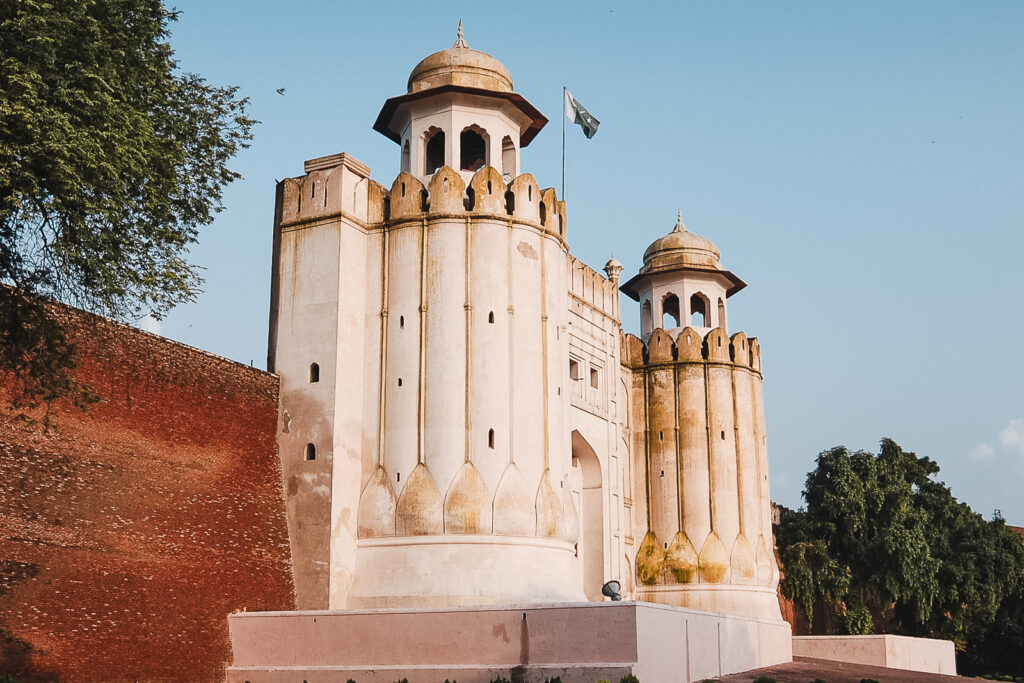
Right next door to Badshahi Mosque sits the Lahore Fort, a UNESCO World Heritage Site that dates back to antiquity but was largely rebuilt by the Mughal emperors from Akbar the Great onwards.
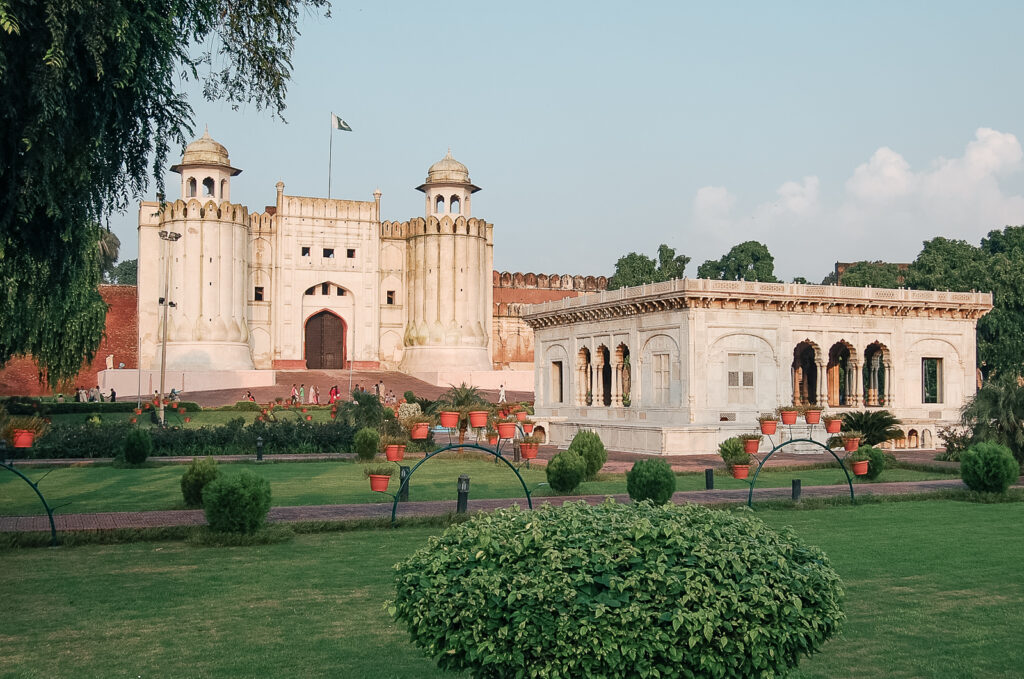
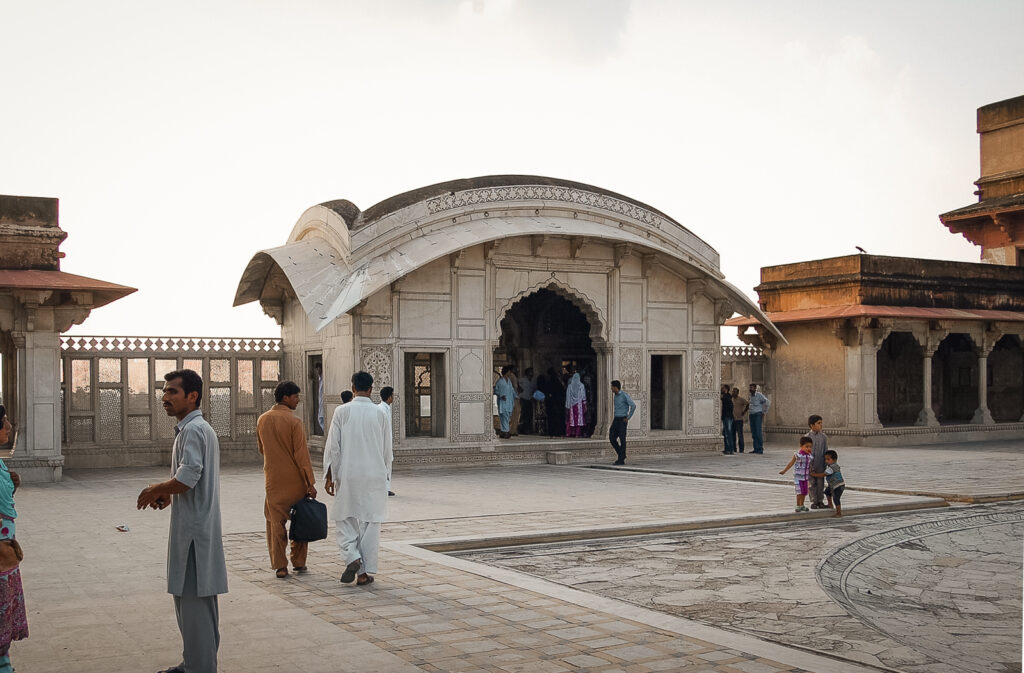
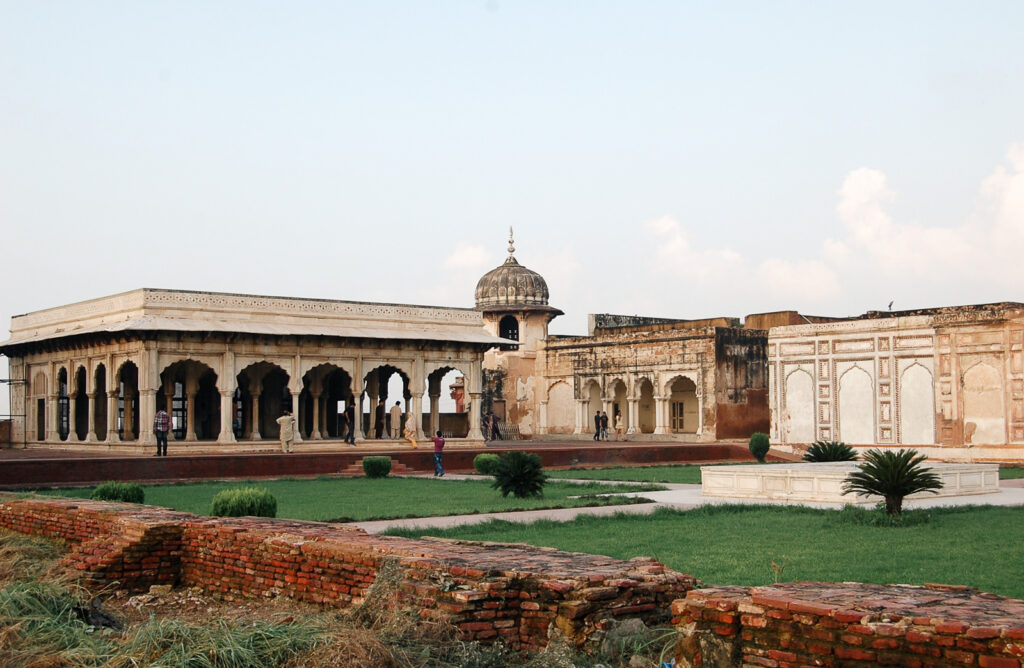
Wander through the Sheesh Mahal (Palace of Mirrors), the Naulakha Pavilion, and the Picture Wall — a 1,450-square-foot mosaic of frescoes, tiles, and carvings that is one of the most stunning surfaces you’ll ever see. Spend at least two to three hours here; history fans could easily spend a whole day.
Wazir Khan Mosque — Instagram’s Best-Kept Secret
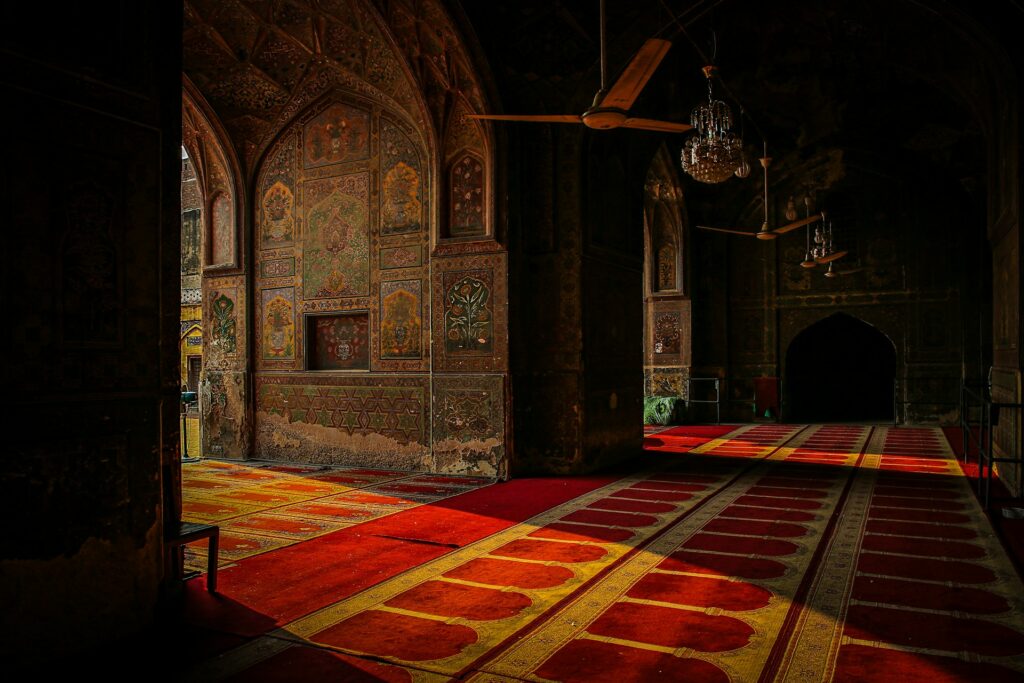
Less famous but arguably more beautiful than Badshahi, the 17th-century Wazir Khan Mosque is a burst of color — every inch of its interior courtyard covered in intricate tile work and frescoes. It sits in the heart of the Walled City, which means getting there involves a winding walk through narrow alleyways and bazaars, which is an experience in itself.
Go early in the morning when light floods the courtyard. This one genuinely takes your breath away.
Minar-e-Pakistan — The Monument of Independence
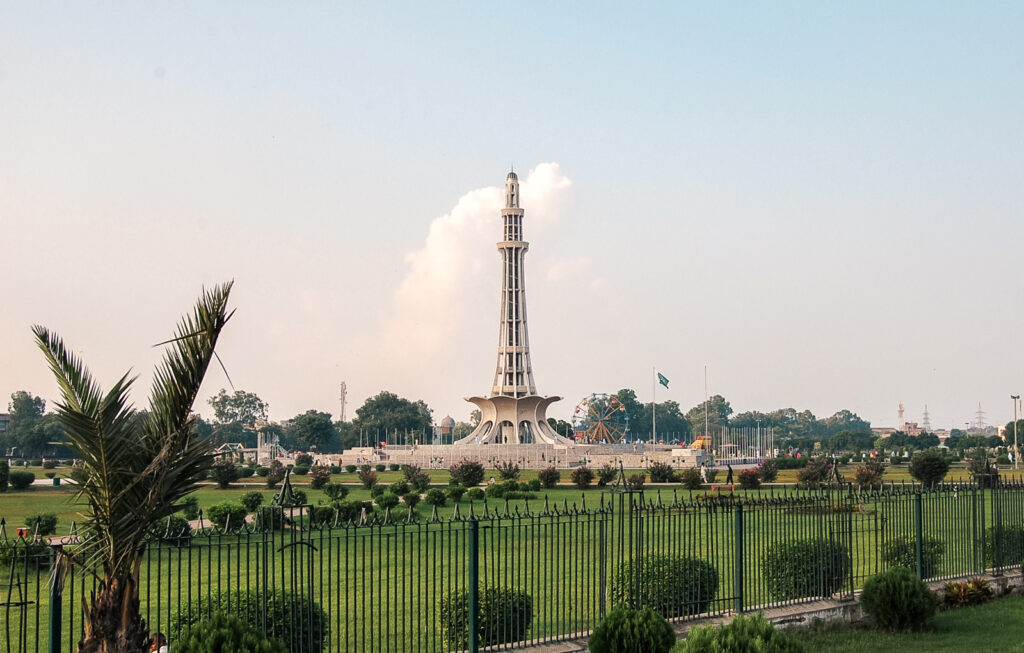
Built on the site where the Lahore Resolution of 1940 was passed — the document that paved the way for Pakistan’s creation — Minar-e-Pakistan is a modernist tower in Iqbal Park. It’s surrounded by landscaped gardens and is a beloved gathering spot for locals, particularly on weekends and national holidays.
The views from the top are excellent and give you a great sense of the city’s scale. Entry is very affordable, and it’s a quick but meaningful stop.
Shalamar Gardens — Mughal Pleasure Gardens
Built by the Emperor Shah Jahan (yes, the same one who built the Taj Mahal) in 1641, the Shalamar Gardens are a UNESCO-listed Persian-style garden laid out across three terraced levels, with numerous fountains, pavilions, and water channels.
If you happen to be in Lahore in spring, you’ll get to experience the blooming roses – it’s truly something else. It’s a very peaceful way to spend an afternoon and a great place to go for a leisurely stroll.
The Walled City of Lahore — Getting Wonderfully Lost
The Walled City (also called the Old City) is Lahore at its most ancient and alive. Thirteen historic gates, including the famous Delhi Gate and Lahori Gate, mark its perimeter. Inside, the intricate alleys are lined with spice sellers, wood carving merchants, jewelers, and street food vendors who’ve been in the same spot for generations.
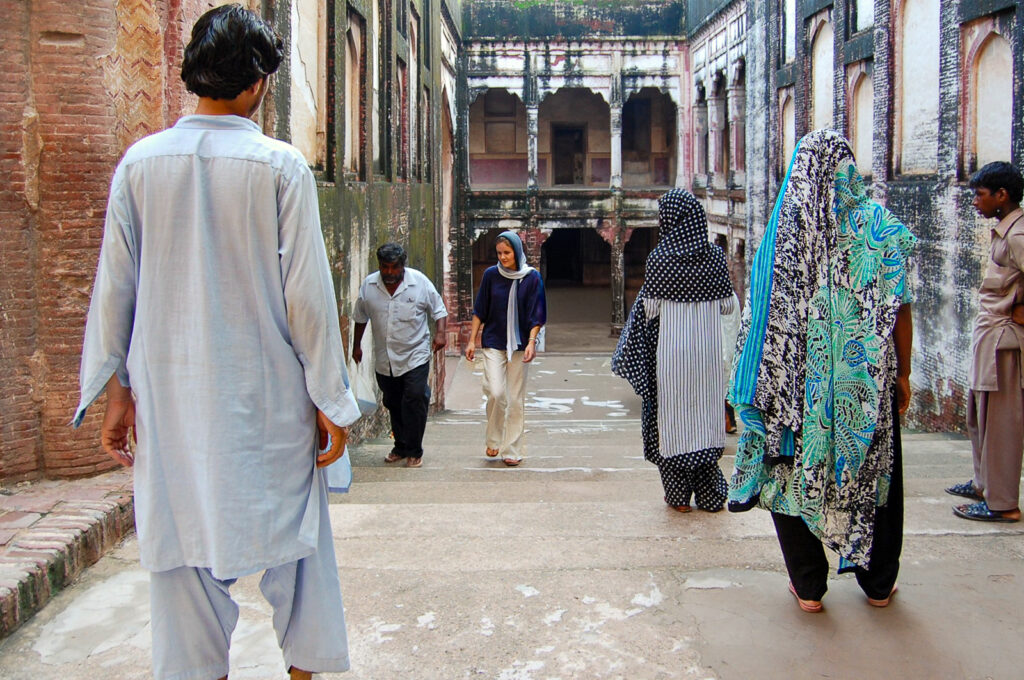
The Dera Ghee Singh Bazaar, Kashmiri Bazaar, and Rang Mahal are great areas to wander. Hire a local guide or join a walking tour — you’ll uncover layers you’d otherwise miss.
Lahore Museum — Culture Under One Roof
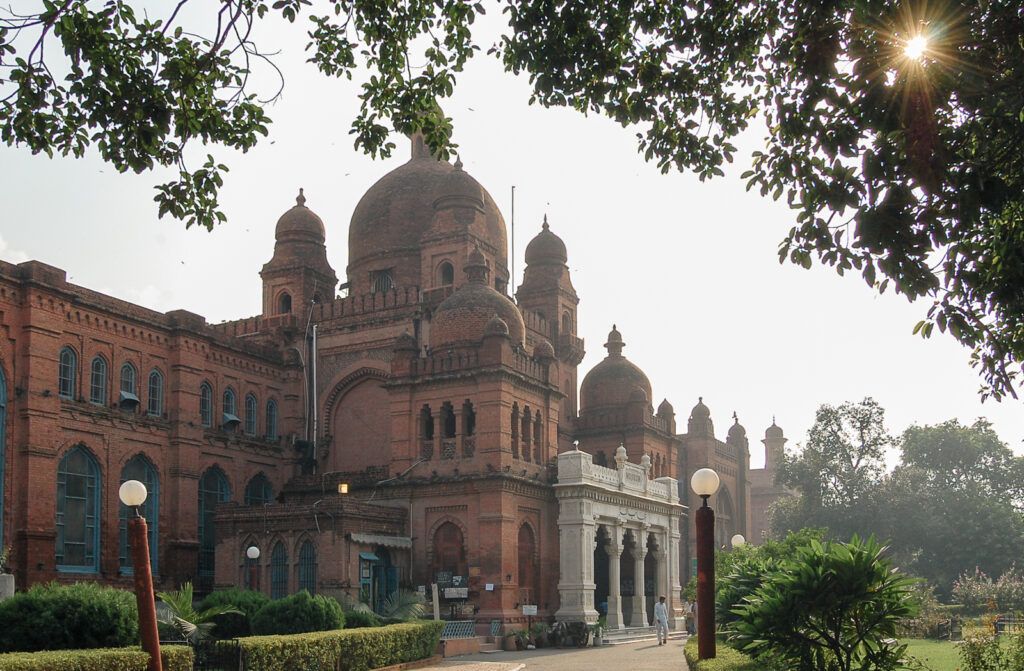
Located on the famous Mall Road, Lahore Museum is one of the oldest and largest museums in Pakistan. Its most celebrated exhibit is the Fasting Buddha. Beyond that, the museum houses Mughal paintings, Hindu and Buddhist sculptures, ancient coins, and an impressive collection of armor. It’s a solid half-day visit, especially if you want historical context before touring the monuments.
Heera Mandi — The Storied Old Quarter
Heera Mandi, or the “diamond market”, is Lahore’s historic red-light district, located behind the Badshahi Mosque. It has a complex and layered history — for centuries it was the center of classical music, dance, and arts under the Mughals and later the British Raj.
Today it’s being slowly transformed; the area’s old courtyard houses are being restored, and a number of rooftop restaurants have opened up offering stunning views of the Mosque. It’s an atmospheric area to explore in the early evening, and a thoughtful reminder of the city’s many eras.
Heera Mandi historically served as a safe haven for the South Asian LGBTQ+ community. For centuries, it served as a rare and relatively accepting place. And today, while same sex relationships in Pakistan are still illegal and criminalized, Heera Mandi remains a safe space. The Netflix series “Heeramandi”, while being criticized for its lack of authenticity, brought it global attention if you need a primer before visiting.
Where to Eat in Lahore
Lahore is, without question, one of the greatest food cities of the world. Come hungry. Come very hungry.
Food Street (Gawalmandi) is the obvious starting point — a pedestrian strip of restaurants lit up like a carnival at night, where servers thrust menus at you and the air is thick with the smoke of tikka. It’s touristy but delicious.
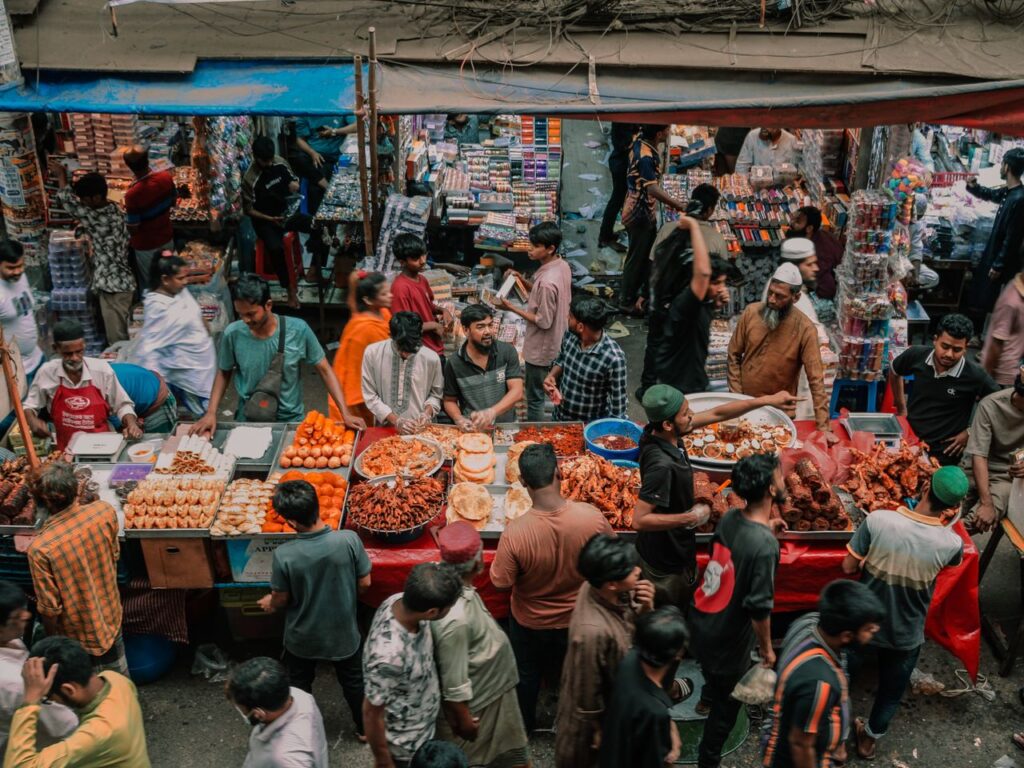
Go for the nihari (slow-cooked beef shank stew), seekh kebabs, and chicken karahi (a fiery tomato-based dish cooked in a wok). Try my all-time favorite Pakistani dish – haleem – a thick, hearty stew made from wheat, barley, lentils, and shredded meat, slow-cooked for hours. Wash it all down with a fresh mango lassi.
For breakfast, Lahori Naan and halwa puri is the essential experience — a crispy fried bread served with lentils, chickpeas, and semolina pudding. Gawalmandi’s morning breakfast spots are legendary for this.
Haveli Restaurant on Food Street offers great Punjabi food with an atmospheric rooftop terrace overlooking the Badshahi Mosque — touristy, yes, but the view alone is worth it, and the chicken I had there – hands down the best chicken I ever had in my life.
For something more local, head to Lakshmi Chowk for late-night street food — seekh kebabs, brain masala (adventurous types, this is your moment), and the best paaye (stew made from the slow-cooked feet of goat, lamb, or beef) you’ll find anywhere.
Don’t leave without trying: phirni (rose-scented rice pudding), jalebi (sweet crispy fried spirals soaked in syrup), and a cup of doodh patti chai — milk tea brewed directly in milk rather than water. It will ruin all other tea for you permanently.
The Pakistan-India Border Crossing – A Sunset Affair
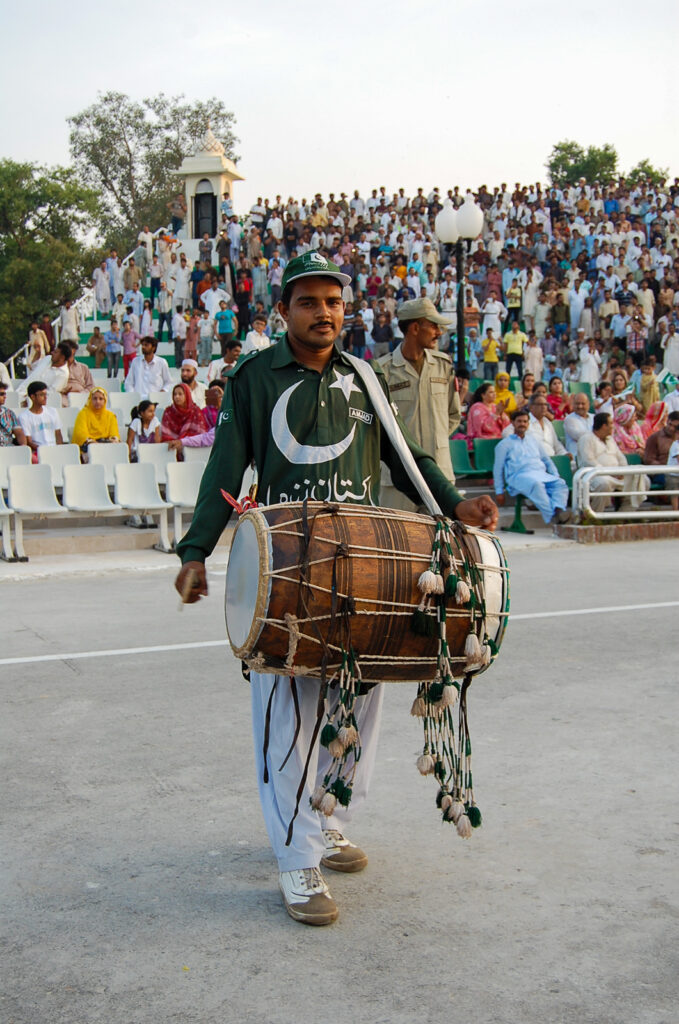
About 20 miles from Lahore city center lies the Wagah Border, the only road crossing between Pakistan and India, and home to one of the most extraordinary daily ceremonies.
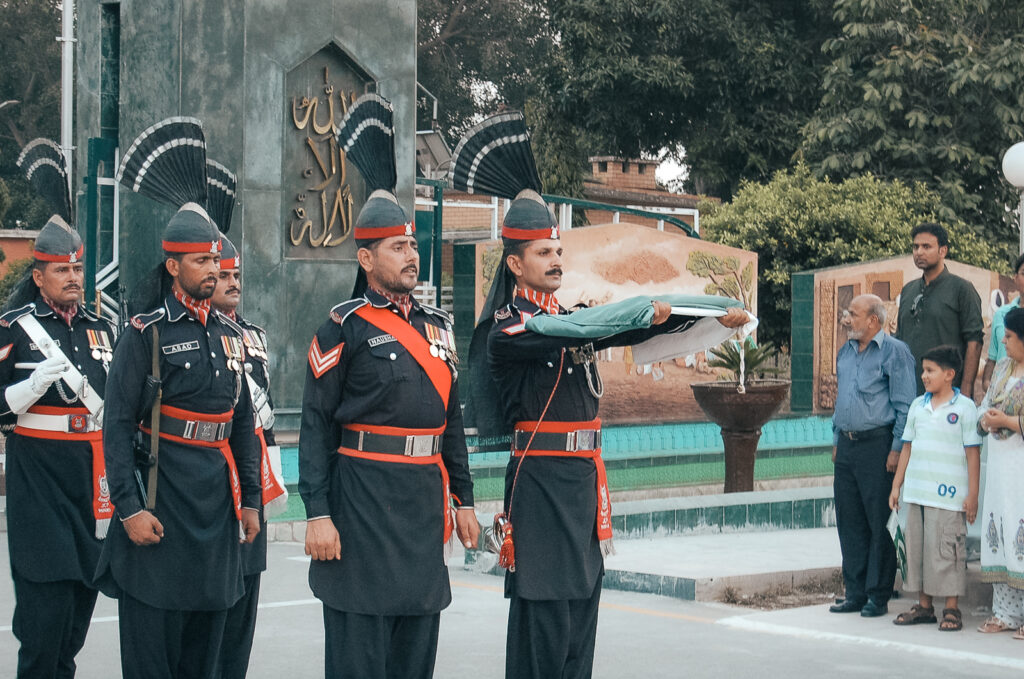
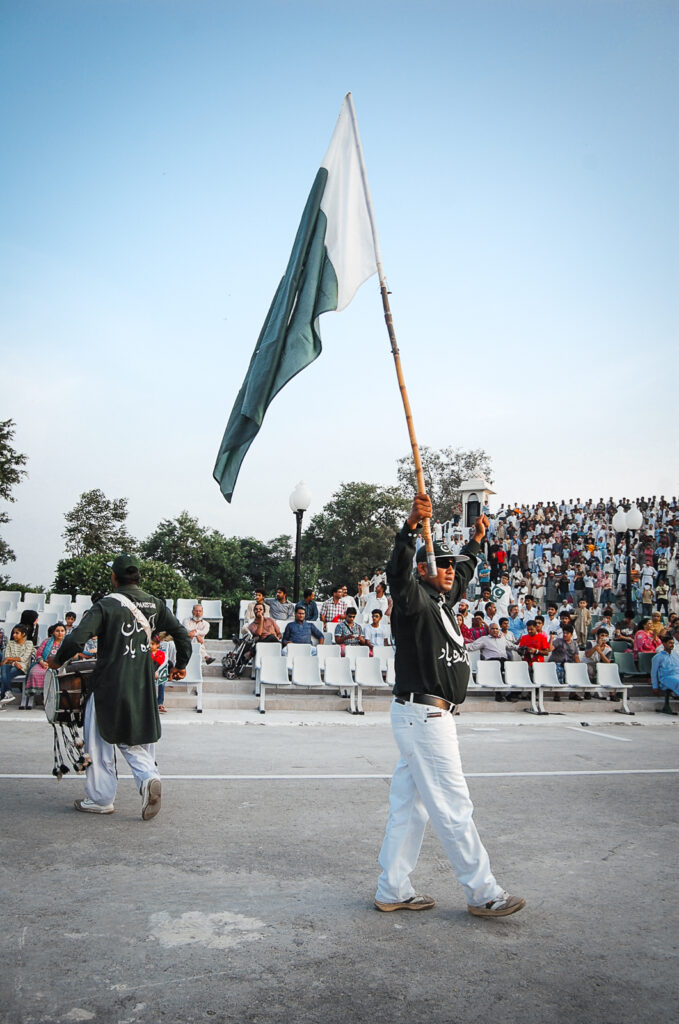
Every evening at sunset, the Pakistani Rangers and Indian Border Security Force perform the “Beating Retreat” — an elaborate, almost theatrical flag-lowering ceremony involving high-kicks, synchronized marching, fierce facial expressions, and a great deal of competitive national pride from both sides of the stands.
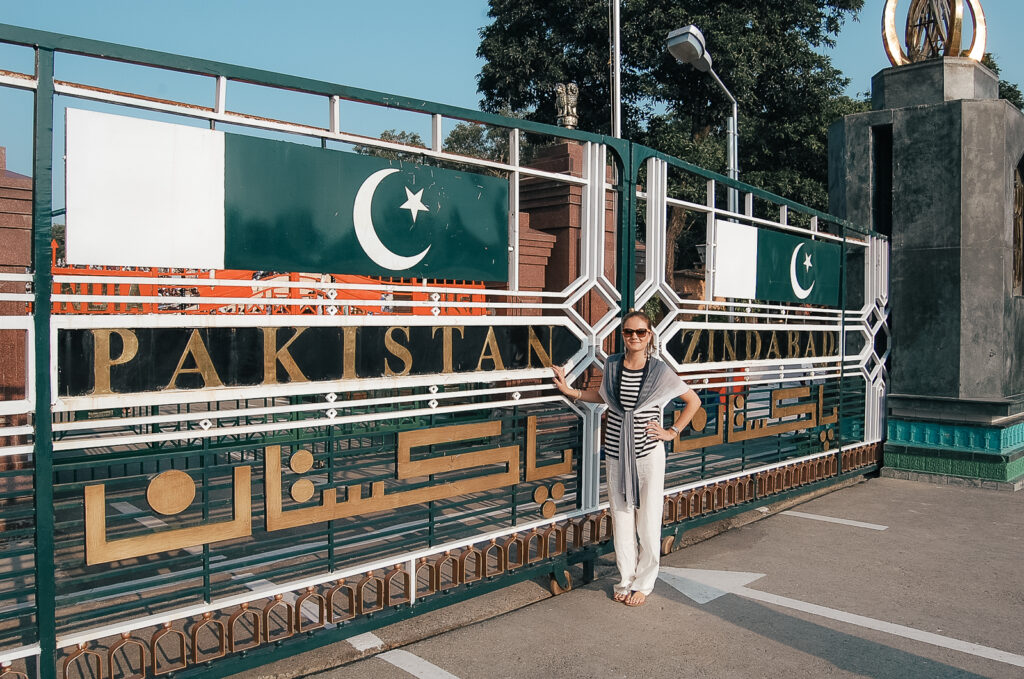
The Pakistani side hosts thousands of spectators daily. The atmosphere is electric and surprisingly joyful, more like a sporting event than a military ceremony.
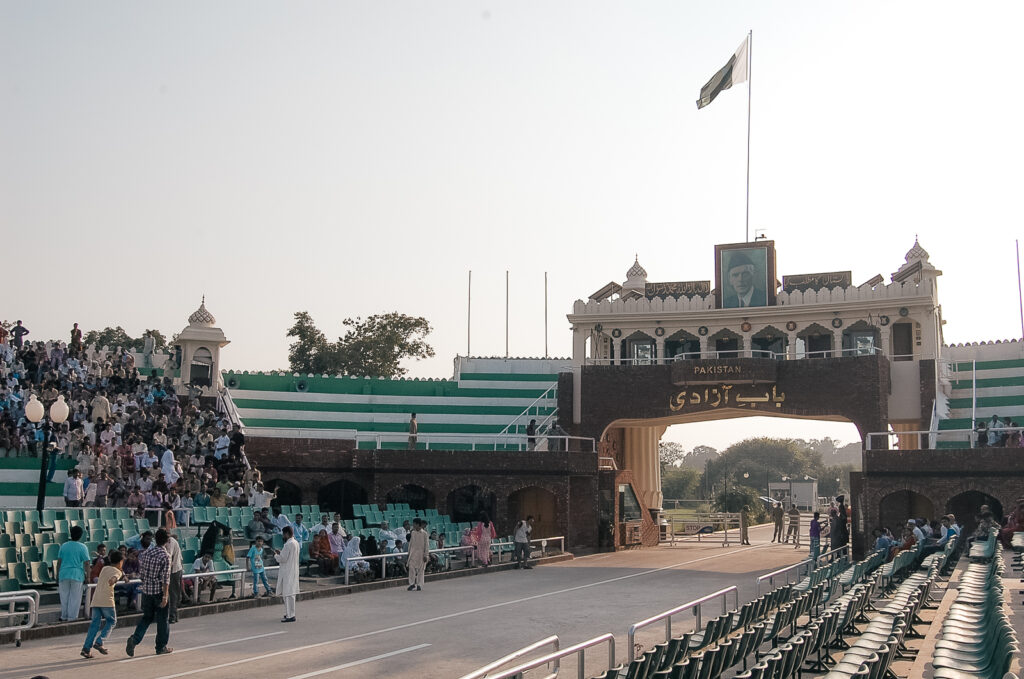
Get there at least 90 minutes before sunset to get good seats. Taxis and rickshaws make the run from Lahore regularly; you can also join a half-day tour from the city. Entry is free.
Day Trips and Excursions from Lahore
Lahore makes an excellent base for exploring the wider Punjab region.
Here are the best 1–2-day trips by car:
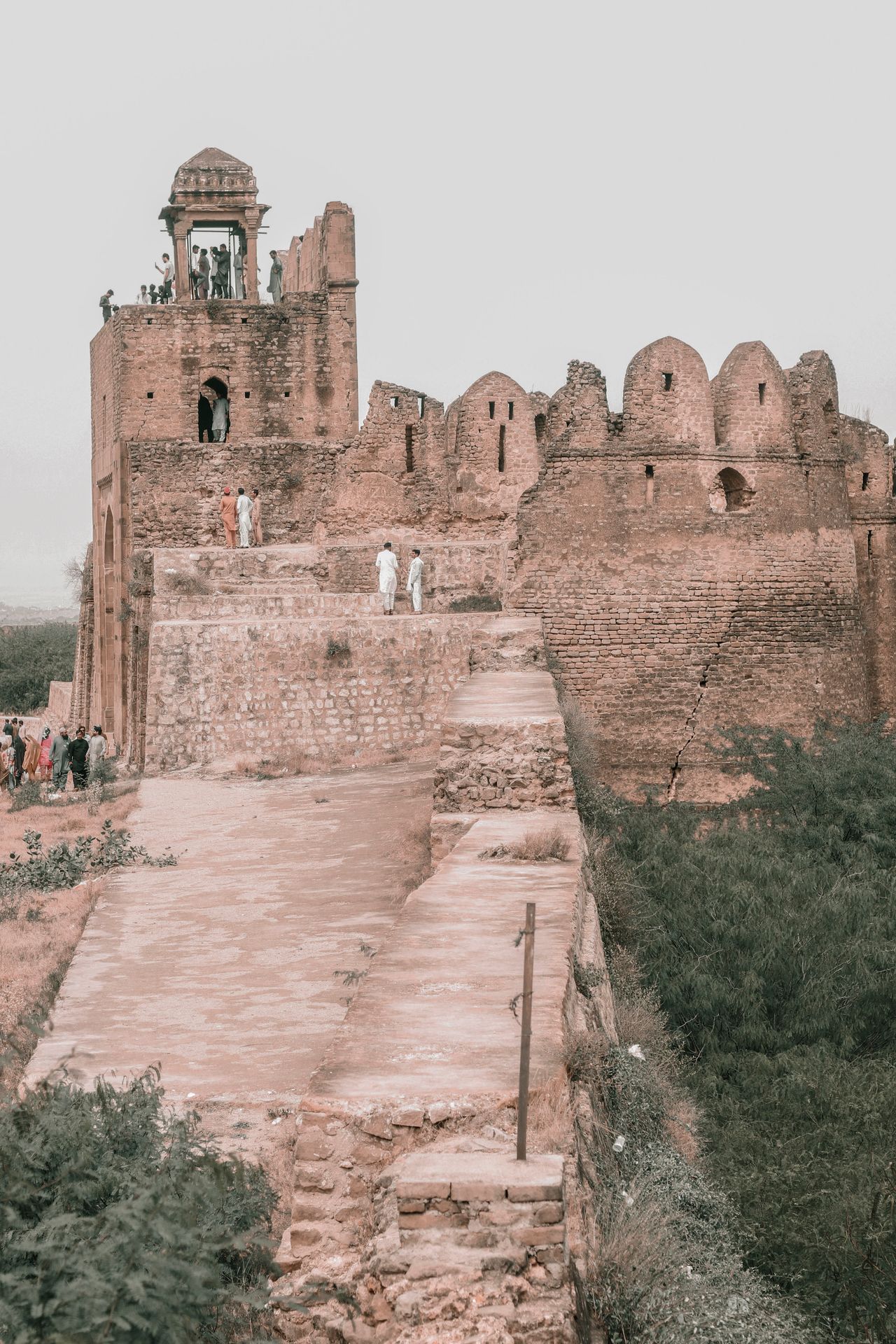
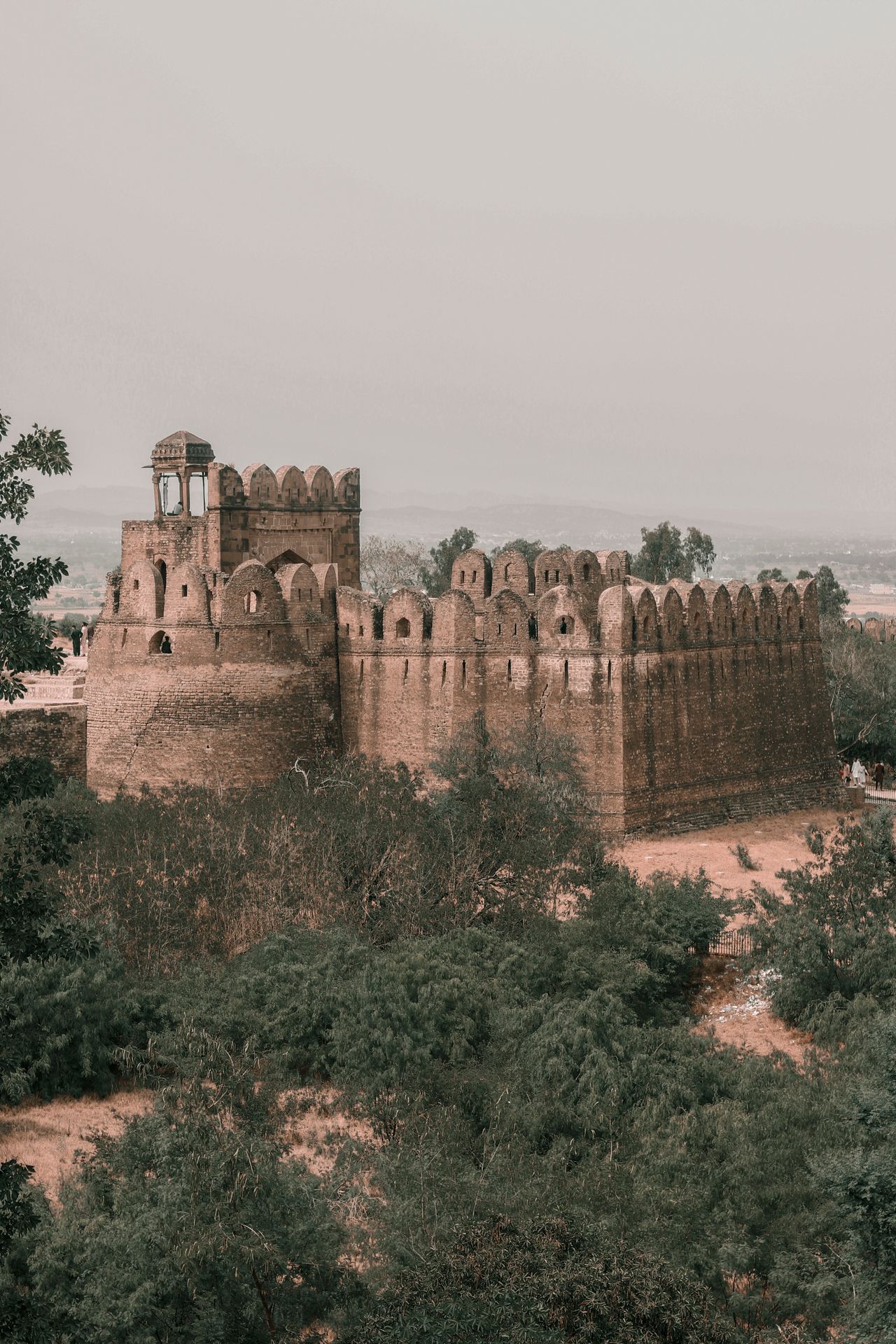
Harappa (4–5 hours away) — One of the major cities of the ancient Indus Valley Civilization, dating back 5,000 years. The site’s museum is excellent, and for archaeology enthusiasts, standing on land this old is genuinely humbling.
Murree (2 hours away) — A hill station in the foothills of the Himalayas, popular with locals as a weekend escape. Pine forests, cool air, and mountain views. Lovely if you need a breather from the city heat.
If you’d like to explore a quieter city then head over to Pakistan’s capital, Islamabad.
Read: Islamabad – Pakistan’s Most Underrated Capital
Tips
Final Thoughts
Lahore is the kind of city that swallows you whole, feeds you until you can’t move, shows you five hundred years of history before breakfast, and then somehow makes you feel like family.
It is chaotic, beautiful, and completely unforgettable. If you’ve been on the fence about Pakistan — this is your sign. Book the ticket. Lahore will handle the rest.
Safe travels, and may your nihari always be piping hot.