Best Things to Do in Riga, Latvia
If Latvia is on your radar, then it probably made it there for its intriguing history spanning over centuries, untouched countryside or perhaps the tallest women in the world.
Tucked away in Eastern Europe, it lies on the Baltic Sea between Lithuania and Estonia.
Latvia was originally settled by the ancient people known as Balts some time in the first half of 2000 BC. It then came under the rule of Vikings in the 9th century, but a more lasting control over the country was by their German neighbors, who Christianized Latvia in the 12th-13th centuries.
In more recent years, Latvia gained its independence from Russia for a short period of 20 years after the Russian revolution of 1917 but fell under the Nazi rule during World War II. It later became one of the Soviet Republics and finally gained its independence in 1991 after the fall of the Soviet Union.
Now Latvia offers visitors a complex history hidden in a small Old Town, the largest concentration of Art Nouveau buildings among any of the world’s capital cities and winding cobblestone streets full of charming cafes and restaurants.

Latvia Essentials
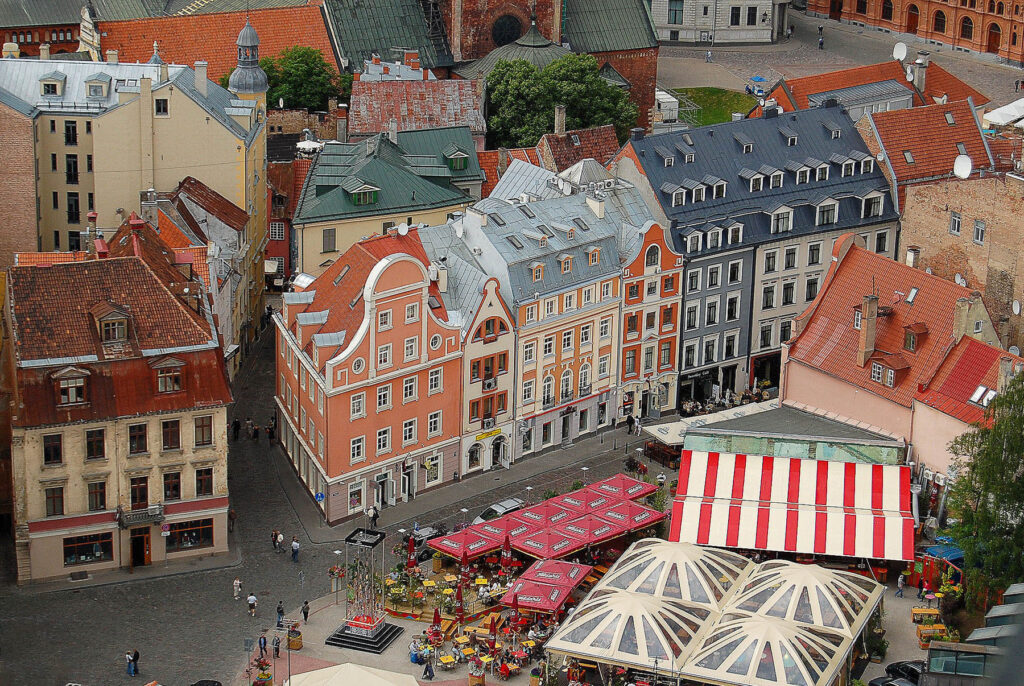
Latvia will always have a piece of my heart. I was born and raised in Riga and while I moved away when I was 16, to this day I visit Latvia at least twice a year. I still have a house in the city center. A few of my family members live in Riga and so do most of my high school friends. This guide comes from a place of love and gives you not only the must-see attractions, but also my personal favorites.
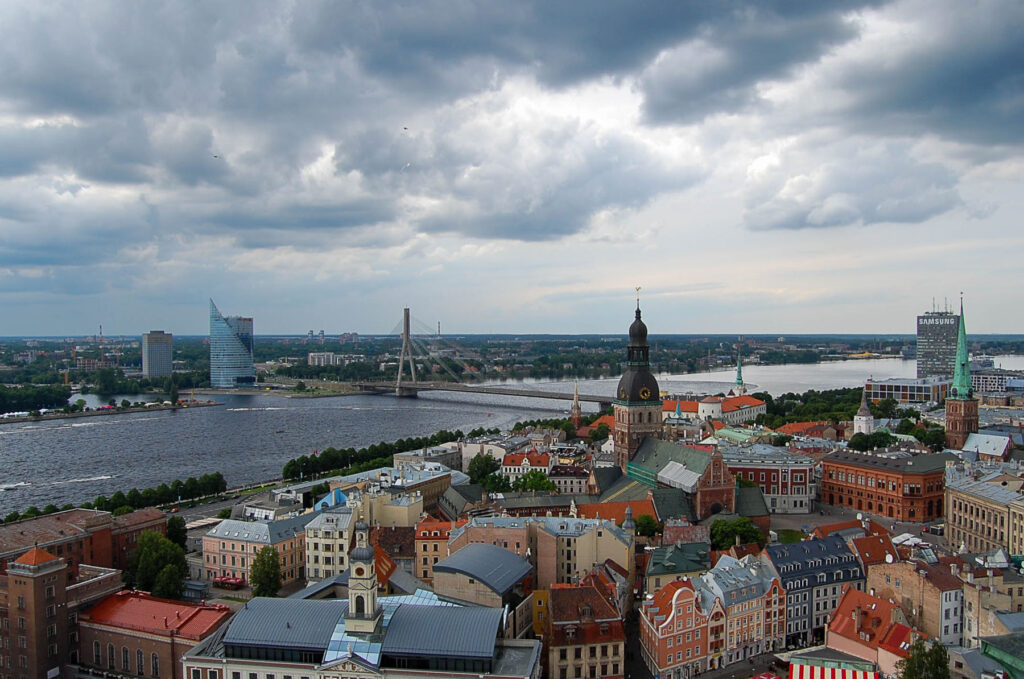
The visit to Latvia should start with exploring its capital city, Riga. The old center of Riga (Vecrīga) is a UNESCO World Heritage Site. It offers rich history and a multitude of cute cafes and restaurants, art galleries and vibrant nightspots.
There is something so special about a city that lies on a riverbank. My recommendation is to get a walking tour of the old city that covers the must-see places I’ve listed below.
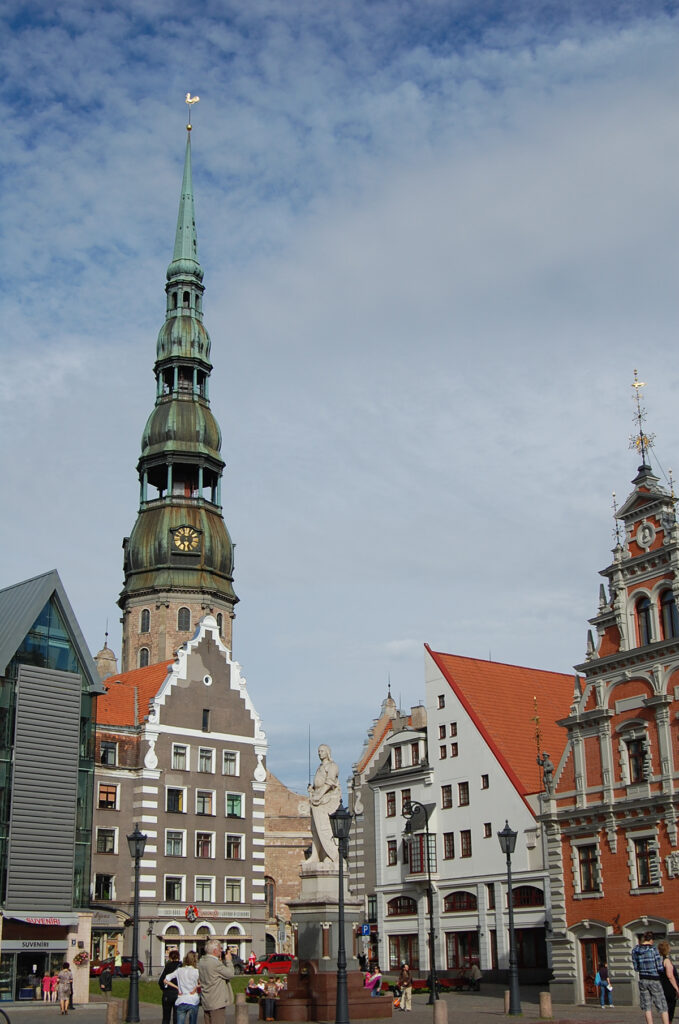
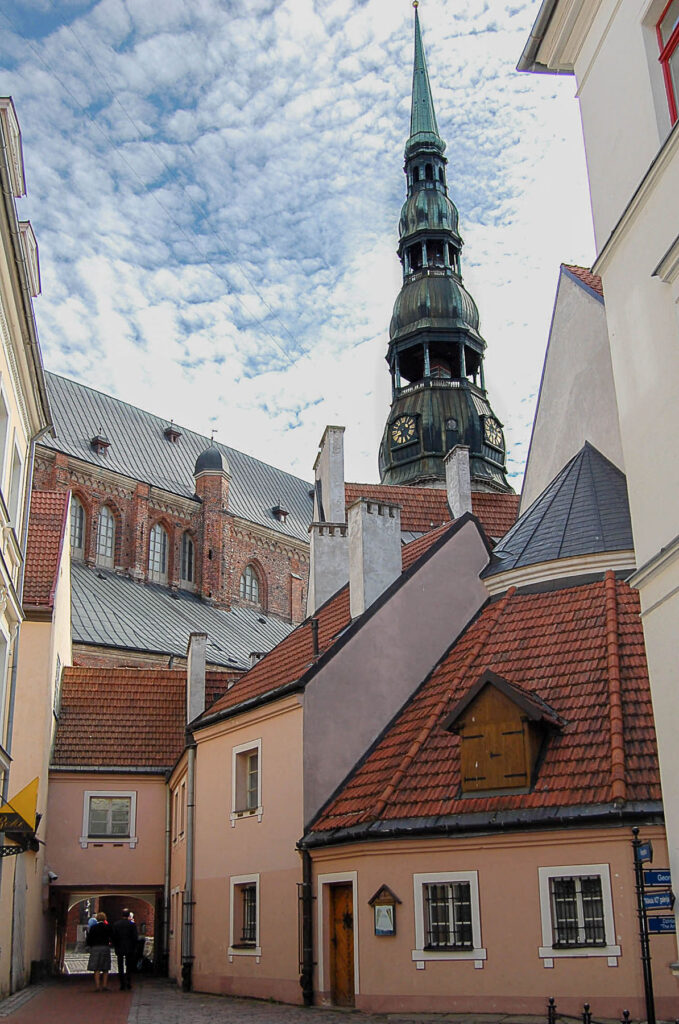
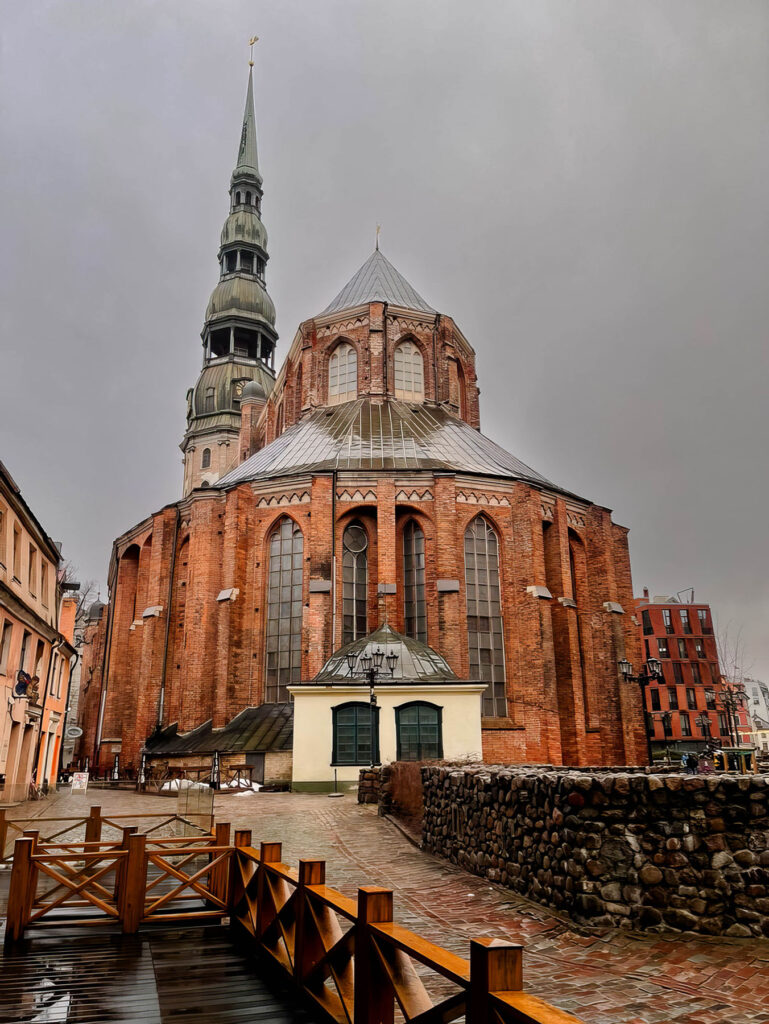
St. Peter’s church
First constructed in 1209, St. Peter’s church stands at 123 meters, making it the tallest church in the city. Due to its various stages of construction, this Lutheran Church represents several architectural styles, from Gothic and Romanesque to Baroque.
The building, especially its tower, has a very unfortunate history. The original Gothic tower collapsed in 1660. Its replacement was later struck by lightning in 1721 causing the tower to burn down.
The latest renovation of the tower included an elevator installation, which nowadays provides visitors with a breathtaking 360-degree panoramic view of the city and Daugava River.
Visit St. Peter’s church at the start of your trip to get a good understanding of how the city is laid out.
Behind the St. Peter’s Church, to the surprise of many tourists, you’ll find a statue of the Town Musicians of Bremen. Don’t forget to rub the animals’ noses for good luck!
Riga Cathedral
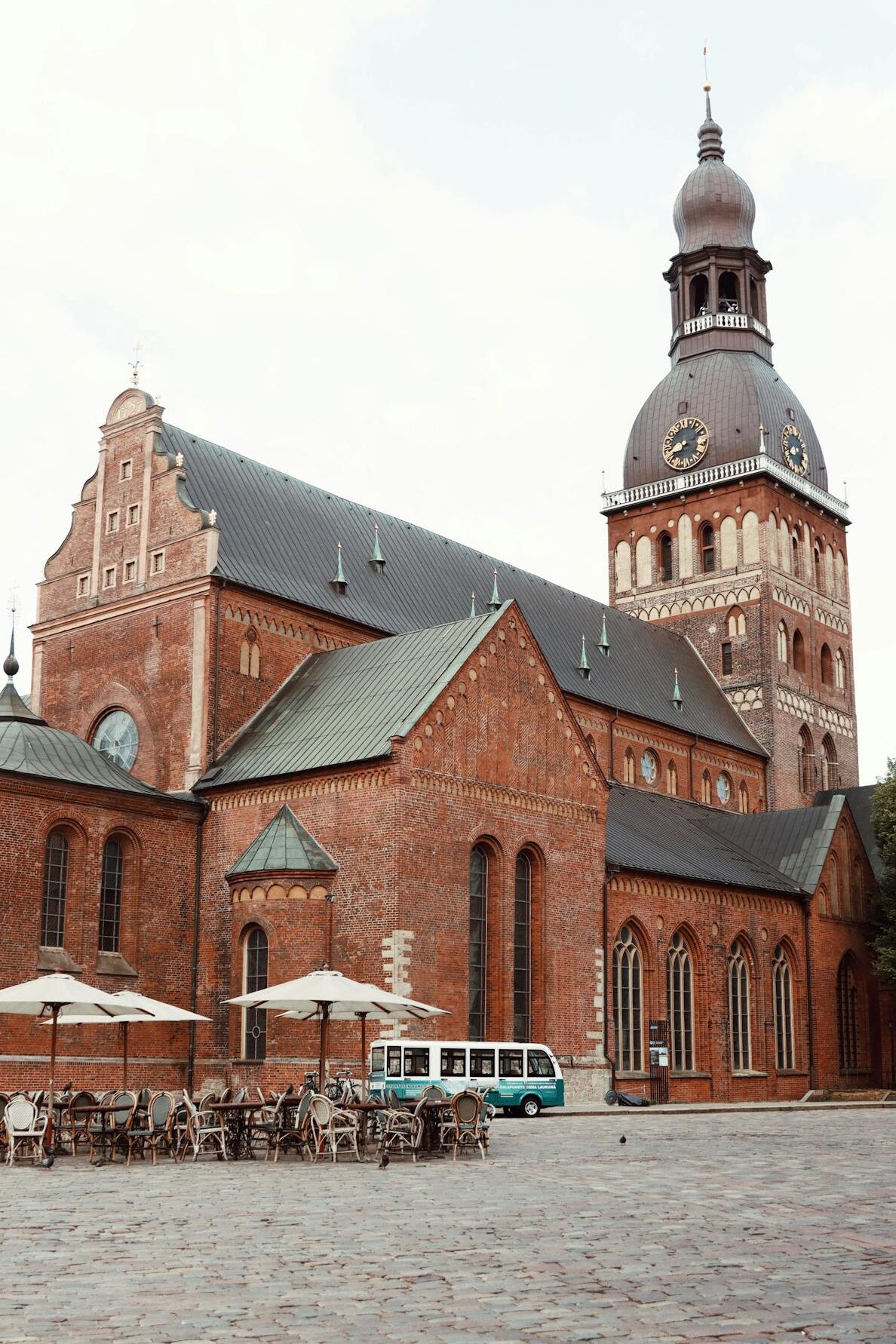
Another impressive religious monument that is worth a visit is the Riga Cathedral, or the “Dome Cathedral”. The building was first built in the early 13th century and is now the seat of the Archbishop of the Evangelical Lutheran Church of Latvia.
Like most churches in the Old Town, the Cathedral is topped with a striking cockerel that weights a staggering 190 lbs (86 kg) and acts as a weathervane.
In the beginning of the 16th century the Cathedral’s Pipe Organ was the largest in the world, but unfortunately, it was destroyed in the fire of 1547. The current organ was installed in the 1880s and has a beautiful wooden case and 6718 pipes.
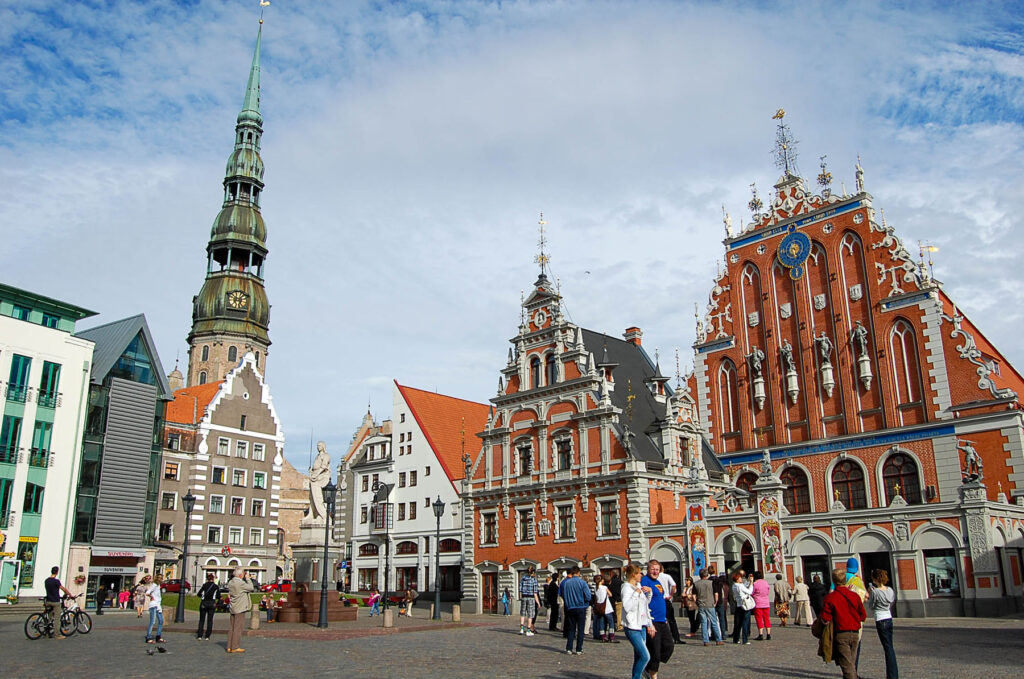
House of the Blackheads
The House of the Blackheads is one of the most popular tourist attractions.
The stunning building sits on the North side of the city’s Town Hall Square. It was first built in the 1330s for unmarried merchants, traders, and ship owners, known as the Brotherhood of the Blackheads. The Blackheads, as bachelors, were famous for organizing lavish parties and celebrations, bringing life to the Latvian society.
The building was modified in the 16th and 19th centuries and then bombed to a ruin by the Germans in 1941. It was rebuilt in the late 1990s from the donations of the people and funds provided by a prominent Latvian bank owner.
Today the House of the Blackheads is a museum that can be visited with a guided tour.
First ever public tree marker
Another not so obvious attraction of the Town Hall Square is the first ever public tree marker. Whether it’s fact or legend, Latvia’s capital claims to be the first medieval city that displayed a decorated fir tree in the Town Hall Square for the Christmas celebration in 1510.
It is said that the Brotherhood of the Blackheads installed the first fir tree in the square, decorated it with paper flowers, sang and danced around it and then set it on fire (Burning Man vibes anyone?). The documentation shows that this event happened for the first time in 1510.
The marker is embedded in the cobblestones of the square. In December a real Christmas tree stands tall covering the spot and during the rest of the year a metal tree sculpture marks the location.
Latvian National Opera and Ballet
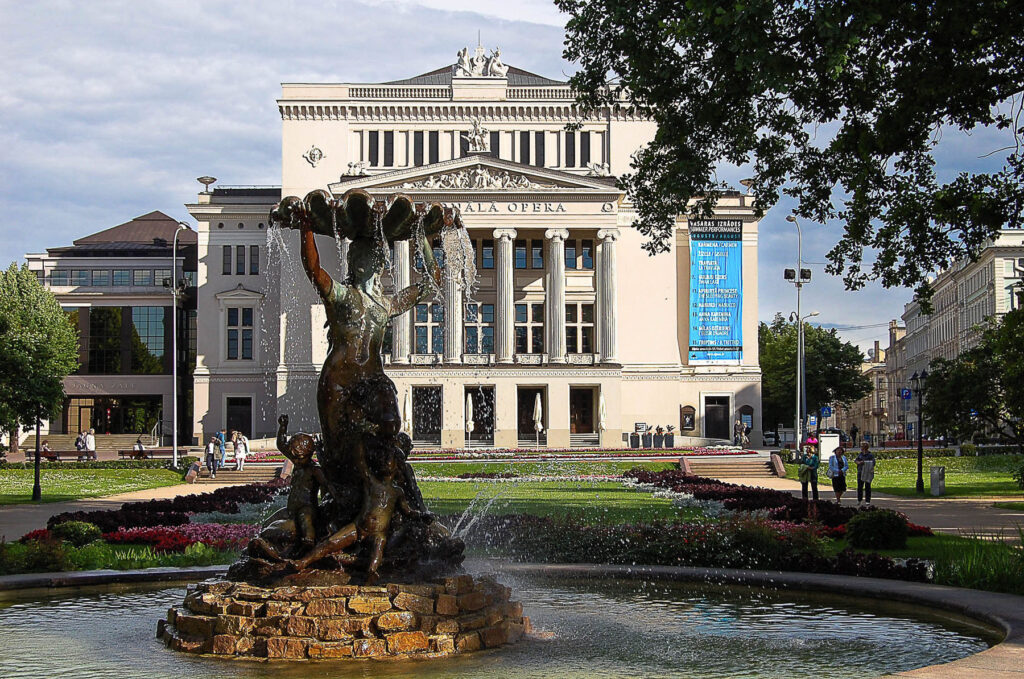
The Latvian National Opera house is located in a lovely Neo-Classical building on the banks of the Riga Canal. The building was first established as a Riga City Theater in 1782 and housed a total of 500 seats. It first opened its doors in the current Opera building in 1919 with the production of Richard Wagner’s opera The Flying Dutchman.
If you happen to visit Riga in the off-season, check out the repertoire for the season that runs from mid-September to end of May.
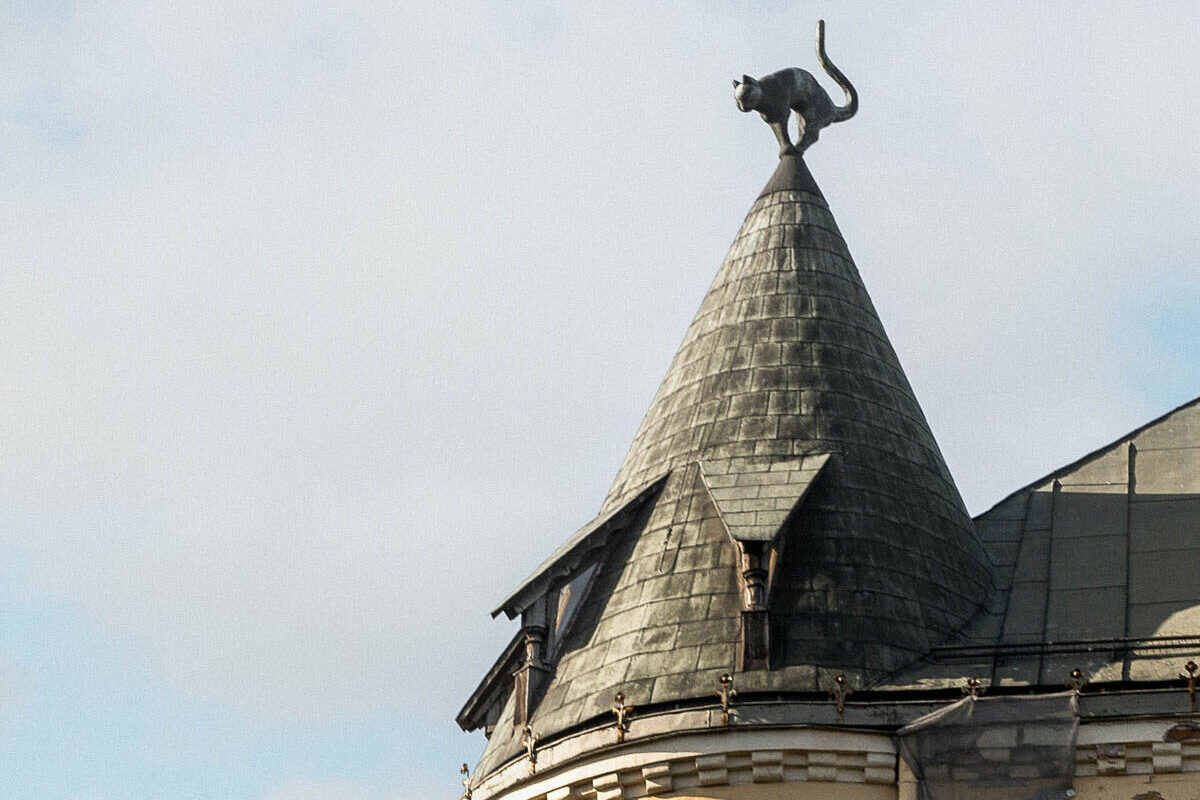
Black Cat of Riga (Meistaru Street 10/12)
The story of the Black Cat is truly a fascinating one.
The legend states that in the early twentieth century a wealthy Latvian merchant was denied membership at the Riga’s Great Guild, a German run organization controlling the city’s business interests. He was so offended by this incident that he installed a black cat statue on top of his magnificent Art Nouveau home, which happened to be located on the same square as the Guild, with the feline’s behind facing the Guild.
The Guild was outraged by his behavior and took the merchant to court. After months of proceedings, an agreement was finally reached – the merchant was granted membership in the prestigious Guild and the cat statue was turned around to face the Guild.
Swedish Gate
The Swedish Gate was built in 1698 after the Polish-Swedish war was over as one of the few entrances to the Old Town, providing access to the barracks outside the city wall.
As with any medieval structure, an accompanying legend or two is a must. One such legend states that there was a house that belonged to a rich merchant in place of the Swedish Gate. To avoid paying taxes on the goods brought into the city, he tore down the house and built a gate instead. That’s how the Swedish Gate was erected.
A more romantic legend tells a story of a Swedish soldier falling in love with a local Latvian girl. The Swedish Gate was their meeting point every night. But because such romances were forbidden at the time, one night when the soldier did not show up for their midnight rendezvous, the locals took the girl and buried her in the walls of the Gate. Nowadays, her cries can be heard at midnight by only those whose love is unconditional and pure.
Right next to the Swedish Gate is a popular local restaurant, Garaza, that’s worth a visit.
Three brothers
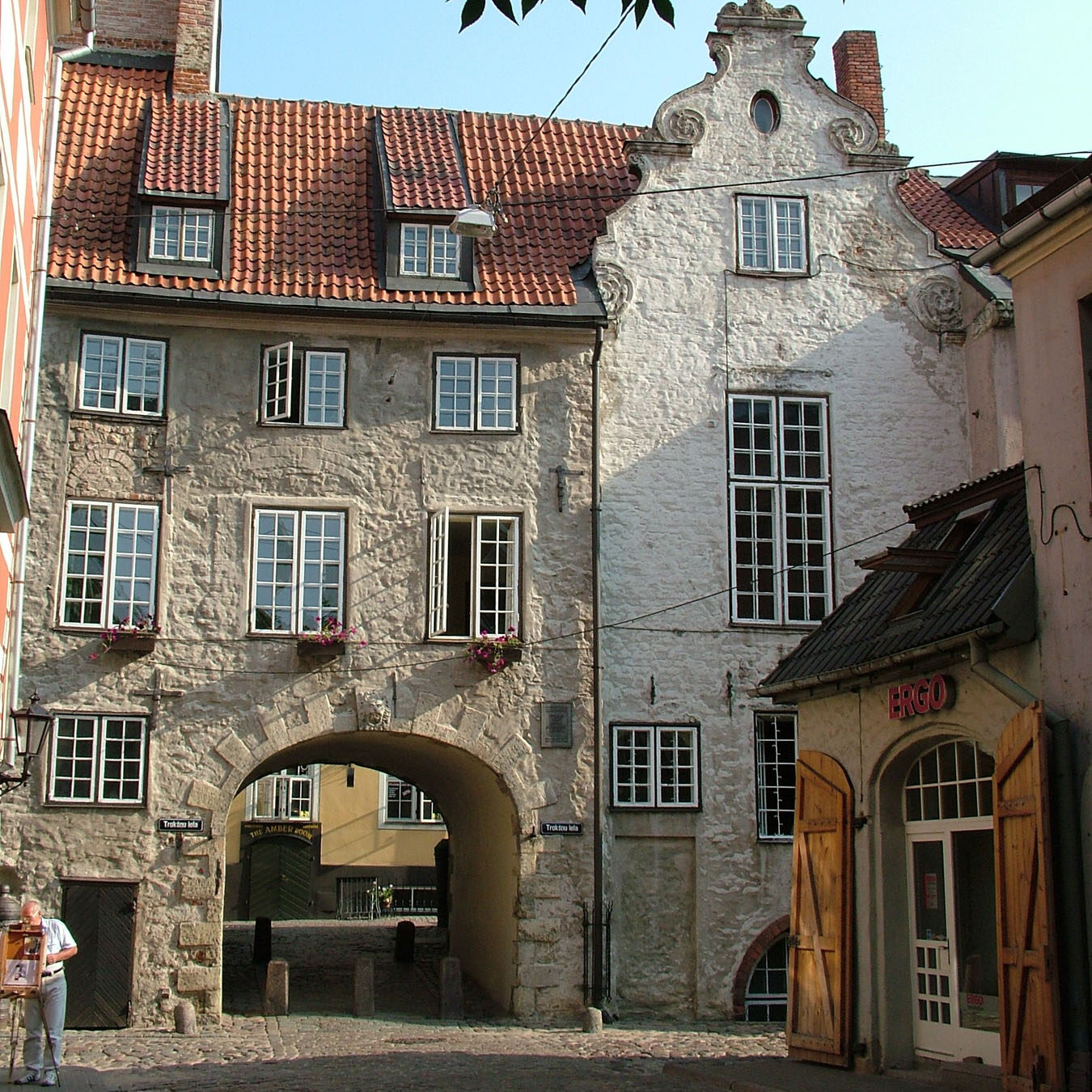
The Three Brothers is the oldest complex of dwelling houses in Riga. Located at 17, 19 and 21 Mazā Pils Street, they represent different periods of development of dwelling house construction.
The oldest building is number 17. It dates back from the late 15th century. Painted white, the façade has both Gothic and Renaissance details. Originally, the building had only one large room and the attic was used for storage.
The second building, number 19, has an exterior from the mid-17th century and the youngest house, number 21, a narrow Baroque building dates back to the late 17th century.
Art Nouveau Architecture
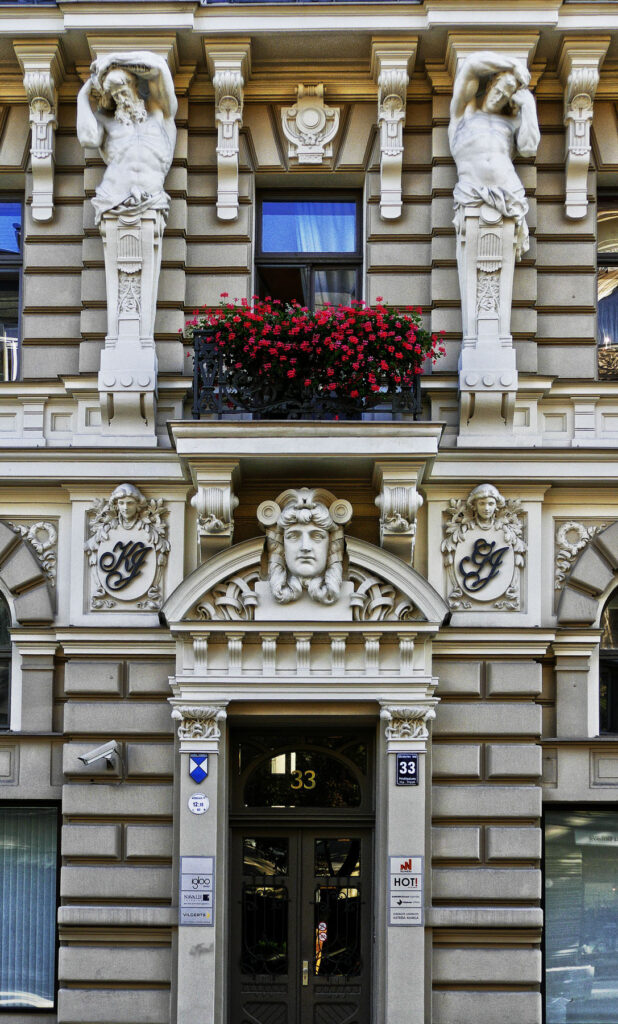
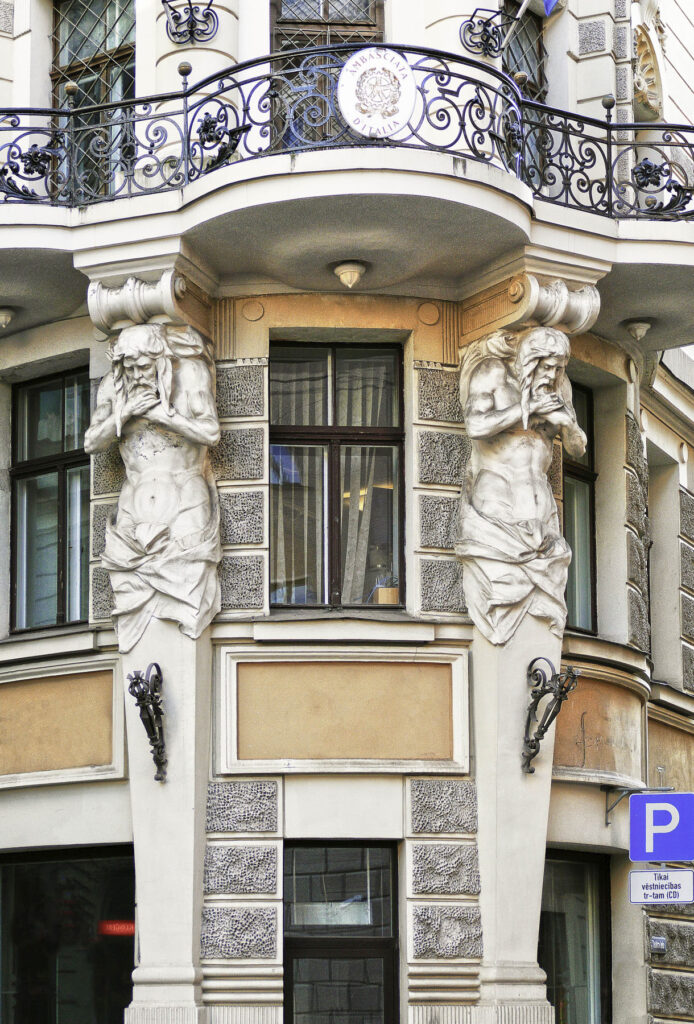
Riga is uniquely the city with the highest concentration of Art Nouveau architecture in the world. A third of its buildings in the city center is designed according to this ornamental style with decorative aspects of romantic nationalism common in northern Europe at the time.
The majority of these decorative multi-story buildings were designed by a Russian-born architect Mikhail Eisenstein. Many of these highly ornamented buildings are located on Albert Street, named after Bishop Albert, who founded Riga in 1201.
Spend an afternoon walking around this neighborhood admiring the beauty of this truly unique architectural style. Then grab lunch at one of the hot spots in the neighborhood: The Catch, Space Falafel or Tails.
Central market
The Riga Central market is one of the largest markets in all of Europe. Its grandiose structure gets its unique look from reusing the old Zeppelin hangars left by the German army from the first World War.
Each hangar serves as a grand pavilion for different food categories, such as fish, meat, fruits and vegetables, and dairy. In the recent years, the market has become even more popular with the opening of small restaurants and stalls serving authentic Latvian food.
I suggest getting an organized tour through the market to truly get an understanding of all the different Latvian food varieties.
Orthodox Churches
If a trip to Russia is not possible or it’s simply not on your radar (it should be by the way), then visiting some of the Russian Orthodox churches in Riga is a must.
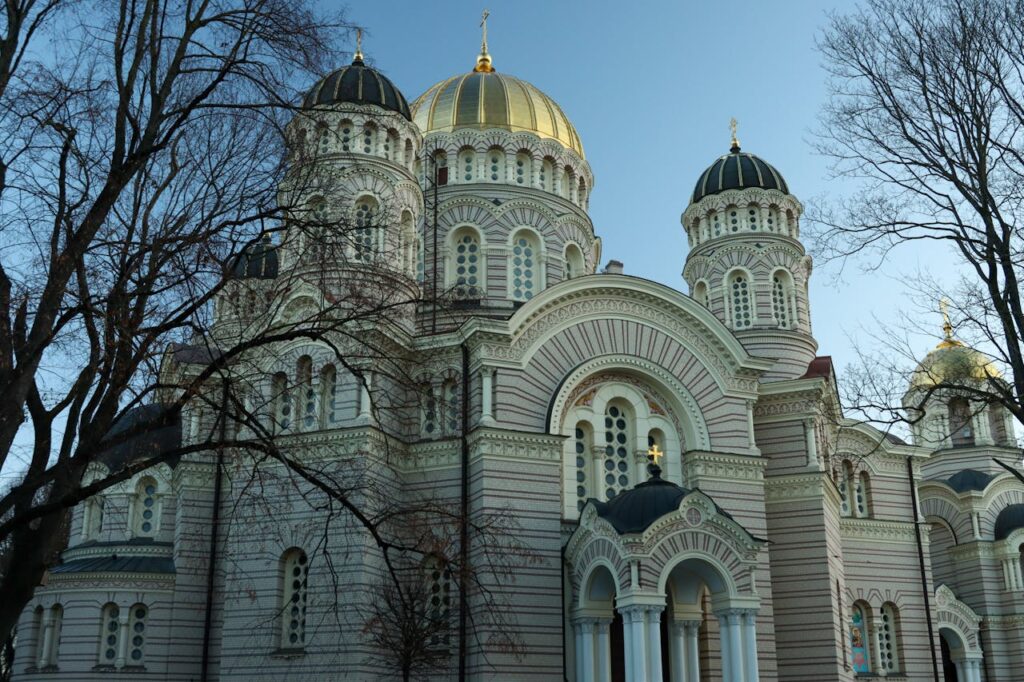
The most prominent one is undoubtedly the Cathedral of the Nativity of Christ. This colossal Neo-Byzantine monument was constructed between 1876 and 1883, during the period of time when Latvia was part of the Russian Empire. Tsar Alexander II donated 12 bells to the Cathedral, which were later melted down at the start of the 1960s when the building was converted into a planetarium. The Cathedral has been restored since Latvia gained its independence in 1991.
Another notable Eastern Orthodox Church is St. Alexander Nevsky Church. The church is located in the historic center of Riga within walking distance from the Freedom monument on Brīvības Street 56.
It is a UNESCO World Heritage site and is registered as a protected cultural classicism style monument of the first quarter of the 19th century. My family has been attending this church for at least 50 years and it is by far my favorite one in Riga.
Parks and River Cruises
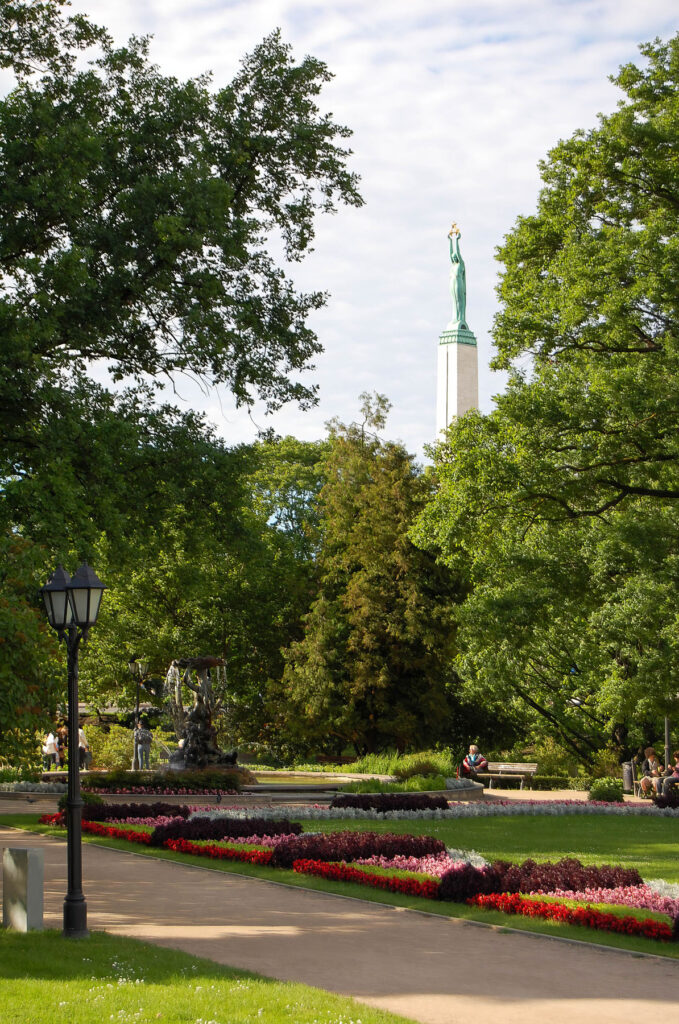
If you want to take a break from visiting historic monuments and the weather is warm and sunny, have a picnic in one of the pristine city center parks. The most popular one is Bastejkalna Park situated right by the Freedom monument and the National Opera house. Admire the countless flowers or rent a paddle boat for a relaxing afternoon on the water.
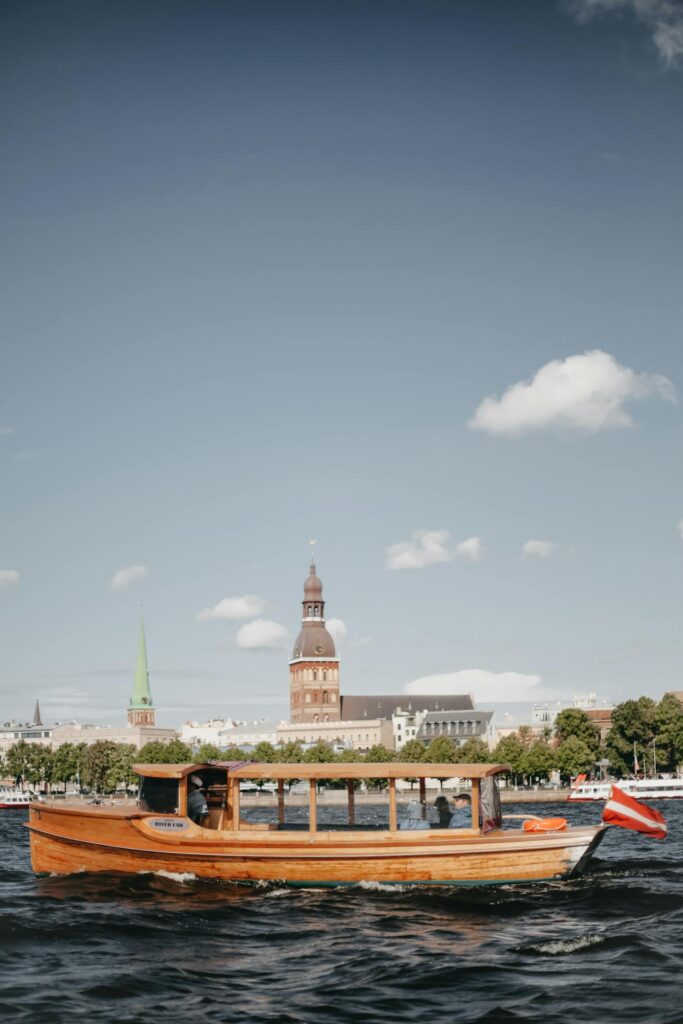
If you didn’t have your fill of historic knowledge for the day yet, take a guided canal sightseeing cruise that starts right at the heart of Bastejkalna Park. Or take a sunset dinner cruise on the Daugava River for stunning city views.
Salaspils Memorial
The Salaspils Memorial is a testament to the dark history of the twentieth century. Originally created by the Nazis as an “extended police prison”, it was to house Jews deported from Germany and political prisoners.
While officially Salaspils was never deemed a concentration camp, since it didn’t have gas chambers, thousands of people died there between 1941 and 1945. The most tragic of all deaths were those of children, who were not only separated from their parents upon arrival but were also exploited to provide blood to SS soldiers. Hundreds of children died due to neglect, starvation, and diseases.
Today, the Memorial Park is a quaint and serene place with several monuments, many of them with stuffed toys placed on them, in remembrance of the people and children who tragically died at the camp many decades ago.
Jūrmala
A trip to Latvia cannot be complete without visiting Jūrmala, a resort town on the Latvian coast. Located just 30 minutes outside Riga, you can get there by car or train.
If traveling by train, get off at the Dzintari station, walk through a pine forest and stumble across the Tarzan rope amusement park. It’s a perfect activity if you are visiting Jūrmala with kids.
Continue on to the main promenade on Jomas Street. Here you can find stalls with local crafts, ice cream parlors and numerous restaurants. Try one of the Armenian restaurants in town, they are very popular.
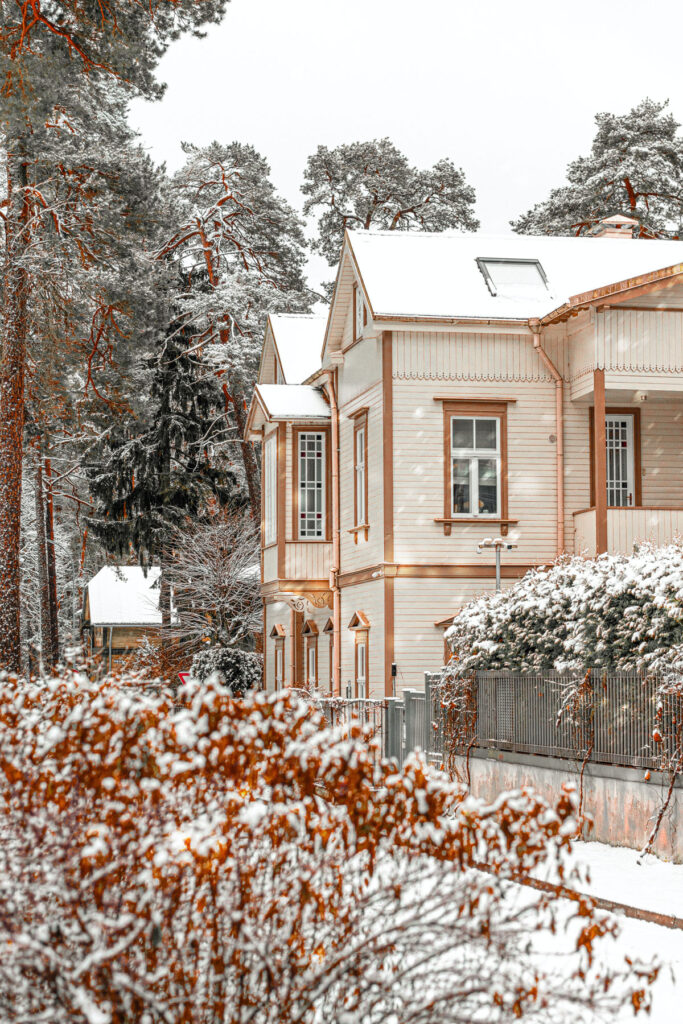
Take a stroll on the side streets and admire the beautiful wooden Victorian-era homes.
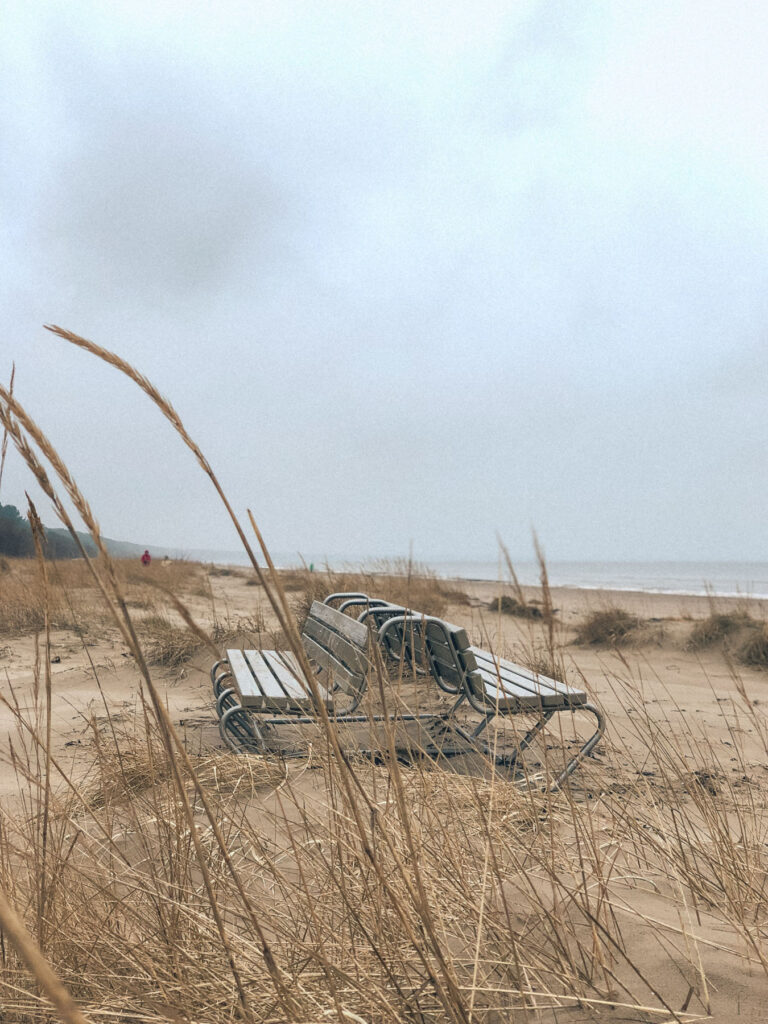
And lastly, spend some time on the beach. Yes, it might be cold, but the 21-mile-long coastline of pristine white quartz sand, dunes and pine trees is definitely worth a visit.
Other Things to Do in Latvia
If time is not an issue and you’d like to venture out outside of Riga, below are some day trip ideas:
- Rundale Palace and Gardens
- Sigulda: Turaida Castle, Gutman’s Caves, Castle of the Livonian Order, bobsleigh ride
- Cēsis: Cēsis Castle, Gauja National Park, Rakši Zoo
- Daugavpils
- Līgatne village