Best Things to Do in the Lofoten Islands, Norway
The Lofoten Islands have been on my bucket list for many years. And when I started researching destinations for my next hiking adventure, I decided to look no further. Lofoten is not just a paradise for hikers and mountaineers with peaks that offer jaw-dropping views. It’s also a great option if you are looking for a quieter and less crowded escape in the summer months or want to finally try that van life you’ve been seeing all over Instagram (more on that later).
So, what, and where exactly is Lofoten? Lofoten is a series of islands nestled within the Arctic Circle off the coast of northwest Norway. This breathtaking archipelago, famous for its stunning peaks, quintessential fishing villages and white sand beaches, is considered, rightfully so, the crown jewel of Norway.
Because of its location just above the Arctic Circle at the 68th northern parallel, the Lofoten Islands offer the warm beauty of the Midnight Sun in the summer and the magical Northern Lights in the winter. It’s an ideal destination for outdoor enthusiasts, photographers and anyone who appreciates a slower and quieter vacation.

Lofoten Essentials
How to get to the Lofoten Islands
By plane
There are two airports in the Lofoten Islands: Svolvaer and Leknes. Svolvaer is the capital city of the Lofoten Islands and is located in the northern part of the archipelago. It has the largest collection of hotels and restaurants but is mainly used as a starting point for a Lofoten road trip. Leknes is more centrally located, so you will have less of a drive to get to and from the airport if that’s where you get your rental car from.
There are several airports just outside of Lofoten.
Harstad/Narvik Airport. This airport is located in Evenes, which is a 2.5-hour drive to get to Svolvaer.
Tromsø is about a 6-hour drive to Svolvaer. If you plan on only visiting Lofoten, it’s not recommended to fly to this airport. If you are, however, planning on adding Lofoten to your longer northern Norway road trip, it’s a great option.
By ferry
If you visit the Lofoten Islands as part of a larger road trip through northern Norway, you can get to the islands by taking the ferry from Bodø. It takes just over 3 hours to get to Lofoten by ferry. There are multiple departures throughout the day, but keep in mind that the ferry can be cancelled due to bad weather.
Even in good weather, the ride can be rough. If you are prone to sea sickness, it’s better to fly to Lofoten.
When to visit
If your main goal is to hike and spend as much time outdoors as possible, then plan on visiting during summer months. From late May until mid-July, you can experience sunlight for 24 hours. The sun never sets during this time, which makes it ideal if you want to spend as much time hiking and exploring.
If you prefer to visit during winter months to see the Northern Lights, then plan on visiting the Lofoten Islands from January to March. Keep in mind, most trails will be covered in snow, days will be shorter, and driving will present its own challenges.
It’s best to avoid visiting during the months of October and November, as it rains a lot. December is the darkest month of the year, so don’t expect to see the sun during this month.
How long to stay
I’d recommend spending a week in Lofoten. It takes a while to get there, especially if you are travelling from the U.S., since the islands are pretty remote. Activities in Lofoten are also somewhat weather dependent. It’ll be challenging to visit certain peaks or beaches if it’s raining. So, account for days spent indoors if the weather is not ideal.
Do you need to rent a car
Ideally, yes. It will be challenging to get around without a car. There are plenty of hitchhikers on the island and I’ve even picked one up during my visit. And while it turned out to be such a lovely experience and a friendship afterwards, I would recommend renting a car, or better yet a campervan.
Renting a campervan (RV)
The culture of living out of your campervan, or “RV” for my fellow Americans, is very strong in Lofoten. It’s almost like a cult. This was my first experience living out of a van for a week and I was so nervous about it, but once I picked up my 1970s Volkswagen, named Odd, and started driving, I soon realized I made the right decision.
The islands are made for camper vans. There are many designated areas all around the islands next to main attractions and hikes that offer overnight parking for a fee (about 30-40 euros per night). There you have amenities, such as bathrooms and even showers and a place to fill up your water tank.
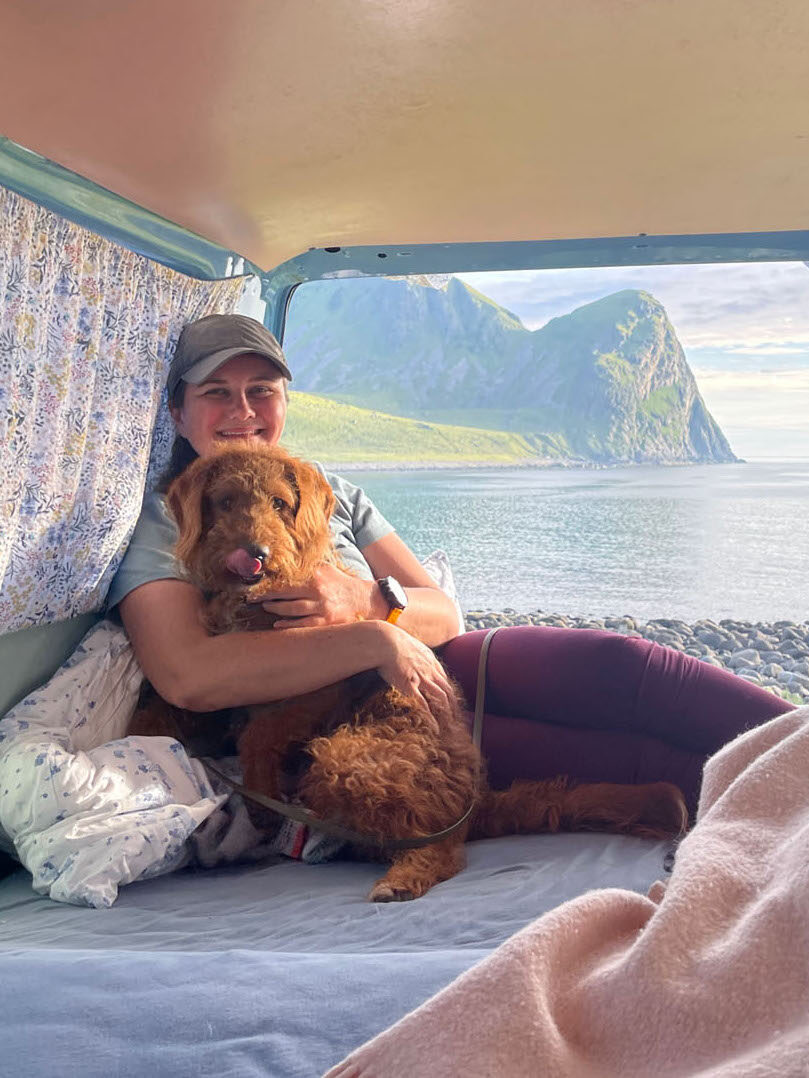
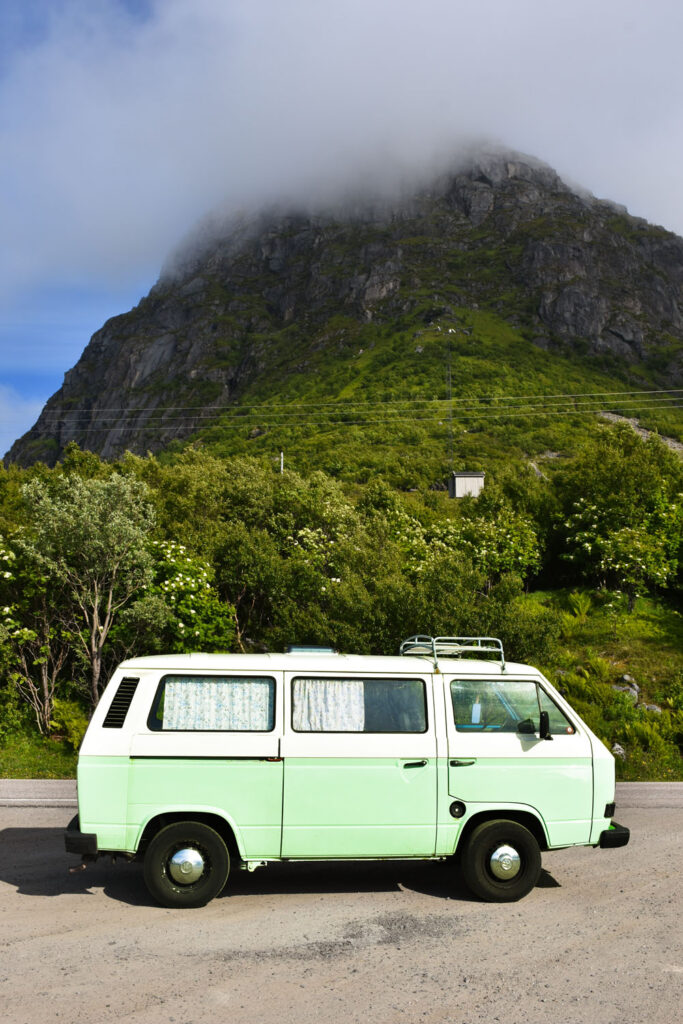
The best part though is that you don’t have to stay in a designated camper van parking space. Many roads have extra spaces on the side where you can park your van for free. This is what I chose to do.
Imagine parking your vehicle by a side of a mountain and waking up to stunning views of the Norwegian Sea. Or park your vehicle by a beautiful beach you randomly found the evening before. The possibilities are endless.
Best things to do and see in the Lofoten Islands
Go to a beach
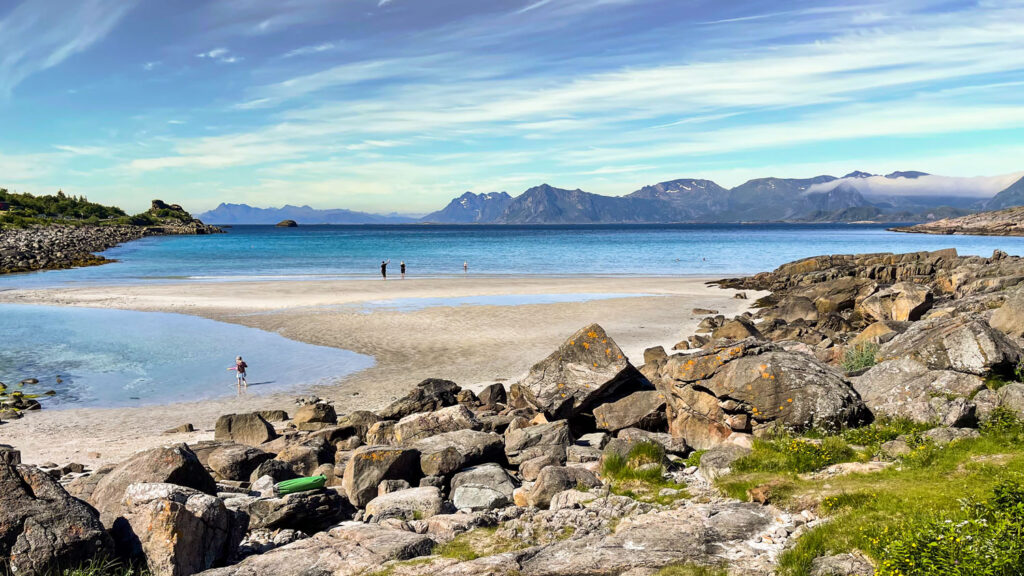
Yes, you heard it right. Lofoten is located in the Arctic Circle and the beaches are stunning. Imagine white sand beaches with turquoise waters surrounded by jagged mountains and lush valleys. The water will be refreshing, but you can still go swimming and even surfing. Many people park their campervans or pitch tents for several days and just relax by the water.
You can get to most beaches by car. Ramberg, Vik, Uttakleiv, and Haukland beaches are all easily accessible. My favorite beach, Kvalvika, is only accessible by foot, but it’s a relatively easy and short hike (about 45 min). To get to Bunes or Horseid beaches, you will need to take a ferry from Reine and then hike the rest of the way. Plan on spending a whole day for your visit to either Bunes beach or Horseid beach.
Go surfing
If you want to put surfing in the Arctic Circle on your list of achievements, then look no further. Unstad Beach is the perfect destination for this activity. The water is cool, so you have to wear a wet suit. The waves are stronger in the winter, so this activity is more suitable for experienced surfers. But if you are just a beginner, you can try surfing in the summer months when the waves are much smaller.
If surfing is not your thing, this beach is still worth a visit. The road leading up to it is gorgeous and the area itself is not crowded at all. It’s so peaceful there, you can spend a few days just relaxing by the water.
Go hiking
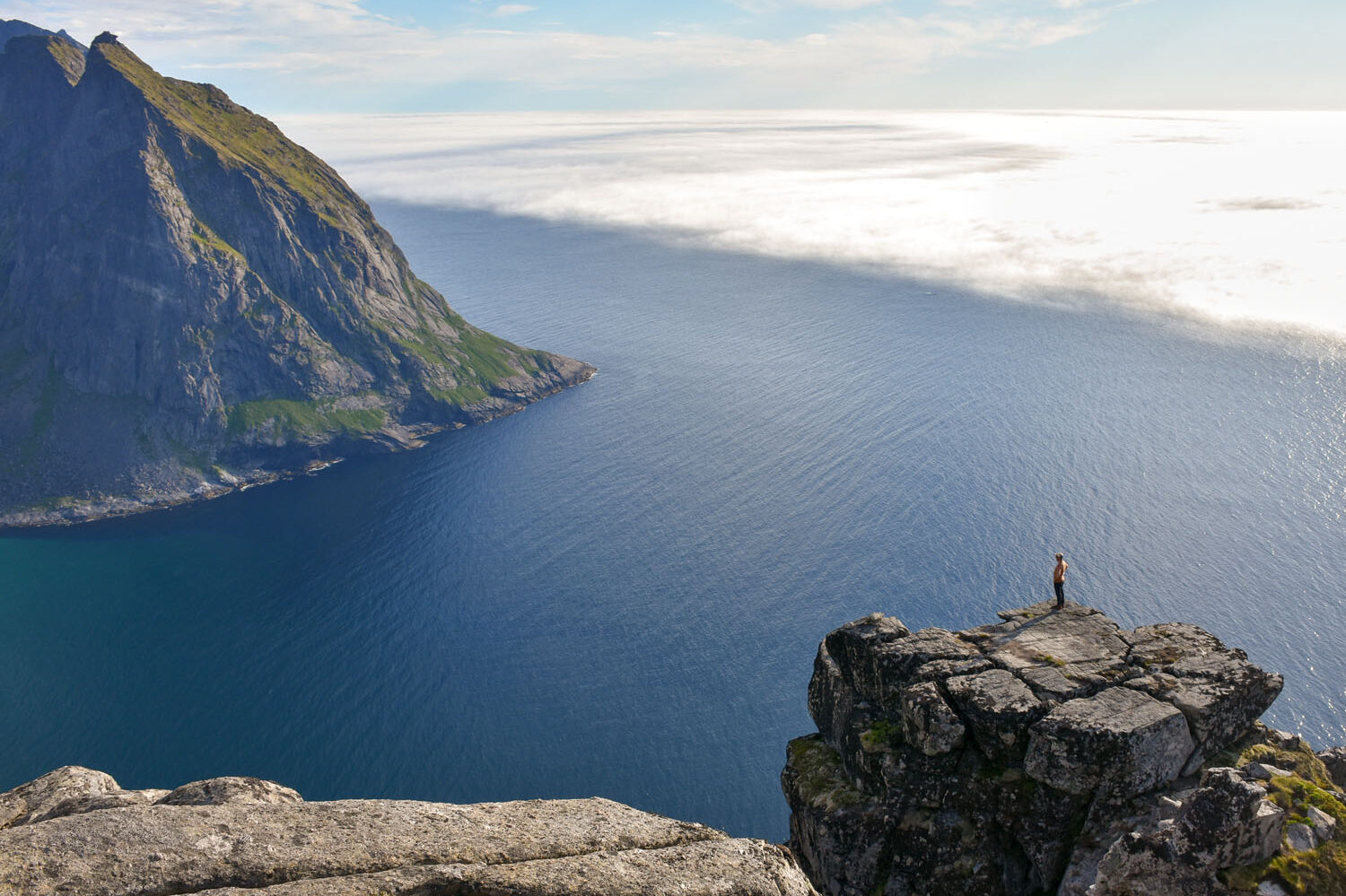
Now, hiking is the reason I went to Lofoten in the first place. There is no shortage of stunning peaks all throughout the islands. I even met people who moved to Lofoten from other parts of the world just for the opportunity to climb mountains.
The most famous hikes are Reinebringen, Ryten, and Håen, on the small island of Værøy, just to name a few. The hikes vary in difficulty and accessibility, but they all have stunning views from their peaks. To read more about Lofoten’s best hikes, including info on the distance and difficulty levels, read my other blog post – Top 7 hikes in Lofoten.
Take A Trollfjord Cruise
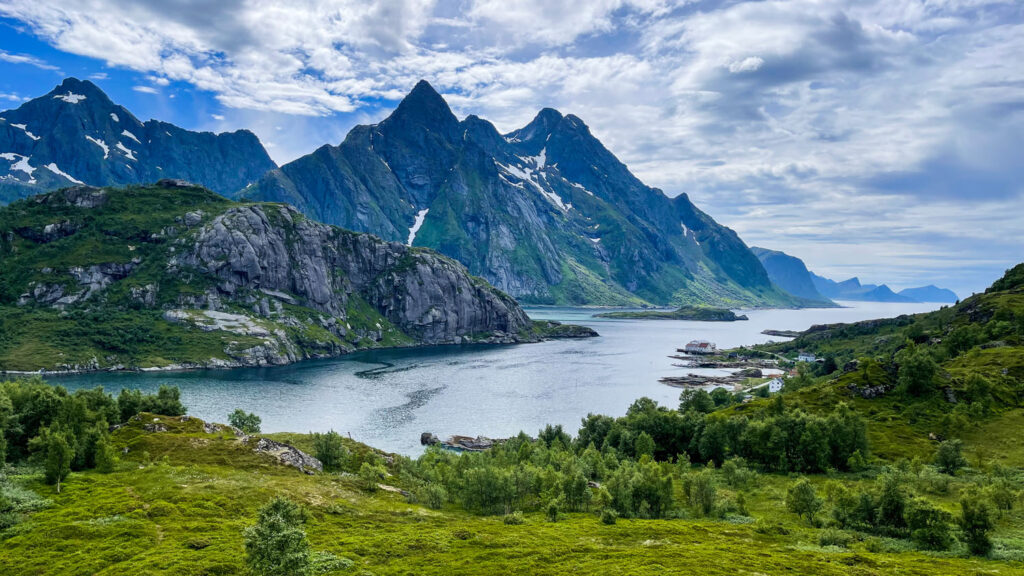
Trollfjord is Lofoten’s most famous fjord. It’s famous for tall mountain peaks surrounding its narrow and steep entrance. It can only be reached by boat, and all tours start in Svolvaer. Plan on spending at least half a day on this activity.
Go horseback riding
One of the more popular horseback riding activities is found at the Hov Farm in Gimsoy. The tour is a short 1.5-hour ride on an Icelandic horse through old Viking settlements and Hov Beach. It’s a great activity for people with no horseback riding experience or parents visiting with children.
Go kayaking
This is another popular activity in the Lofoten Islands. I did the midnight sun kayaking tour that started around 10pm and lasted for about 2 hours. You learn a great deal about the fishing culture of Lofoten, including seeing and even touching several types of seaweed that you encounter on this tour.
Now, most people do not get seasick on a kayaking tour, but if you are prone to extreme seasickness like I am, it is a possibility.
Explore the fishing villages
Henningsvær
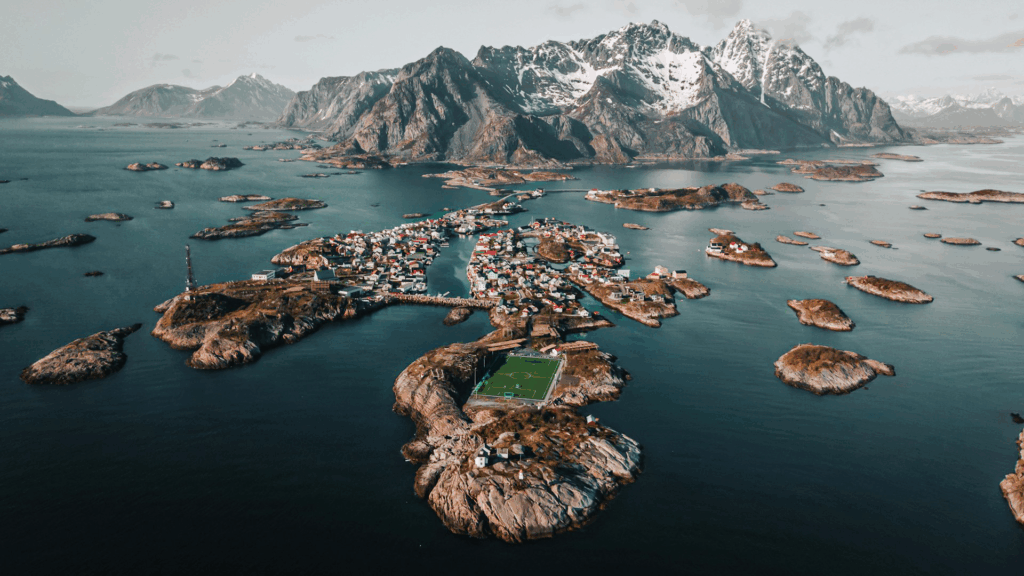
Henningsværis the hipster village of Lofoten Islands. It has great restaurants, craft shops selling souvenirs, art galleries and boutique hotels.
On the outskirts of this village is the world famous Henningsvær football (soccer) stadium. If you have a drone with you, it’s a must place to visit. Otherwise, you can probably skip it.
Reine, Sakrisøy & Hamnøy
Reine is probably the most popular fishing village because of the world famous Reinebringen hike that starts just on the outskirts of Reine. Its central location also makes it a great place for visitors who prefer staying in one location and taking day trips.
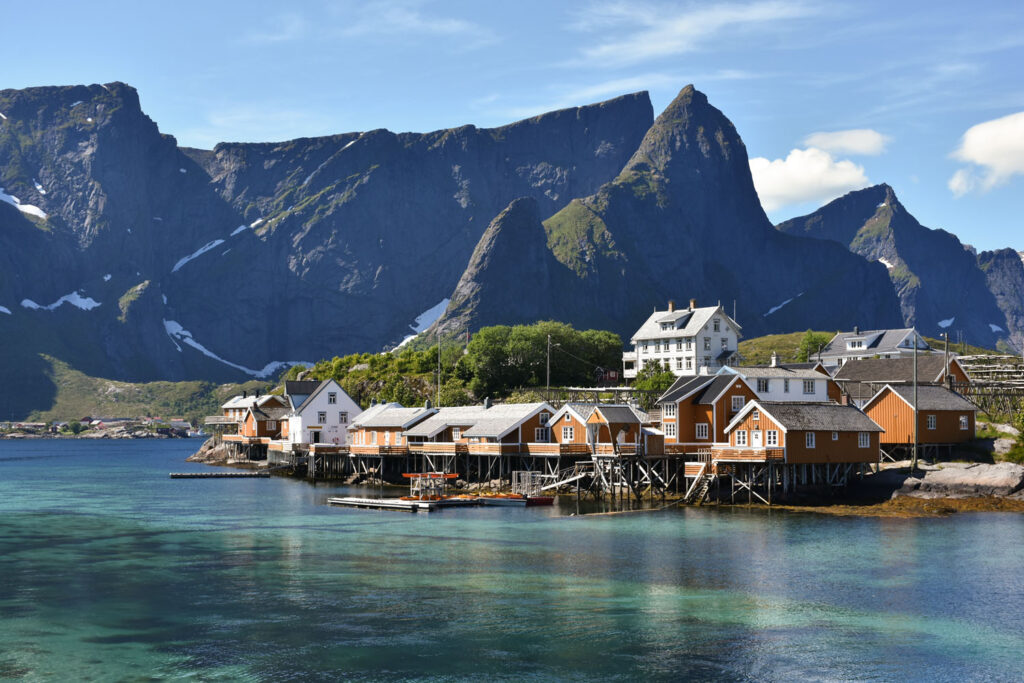
Sakrisøy is a beautiful quintessential fishing village that is a must stop on your itinerary. While most fishing villages in Lofoten have their houses painted in the traditional red color, this village is famous for its bright yellow fishing houses.
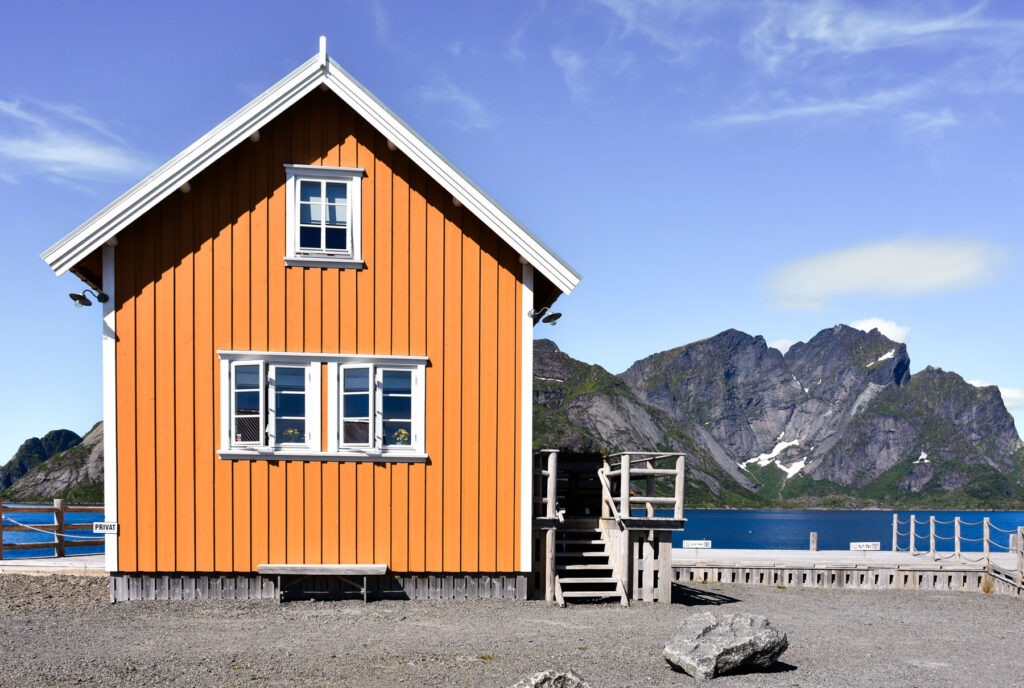
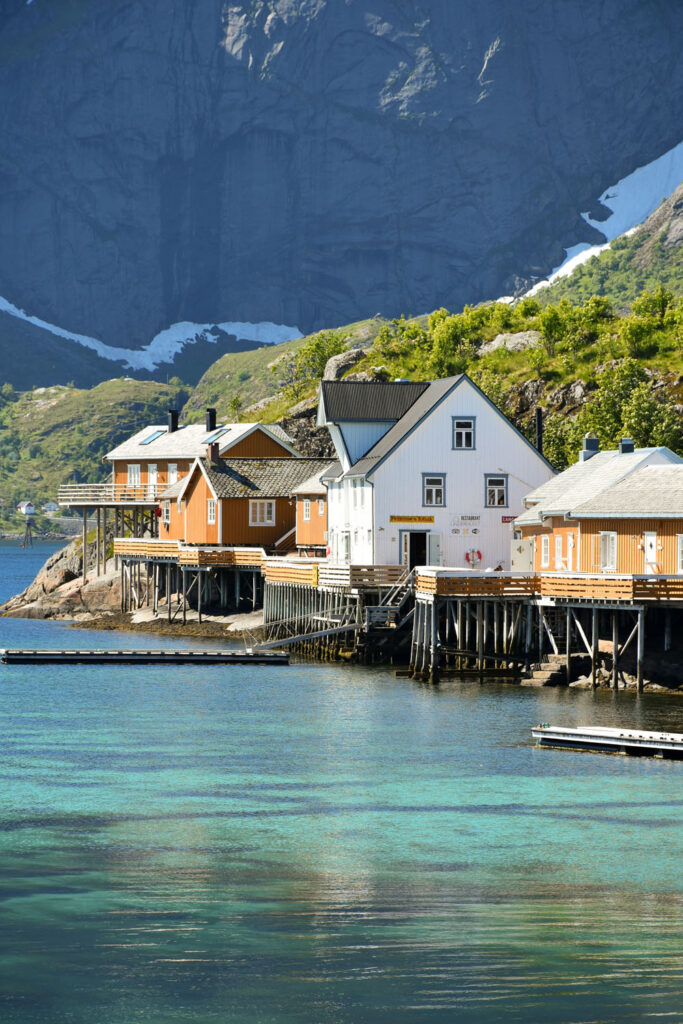
Many decades ago, there was a fisherman, who fell madly in love with a girl. To stand out from all other suitors, he painted every house in this village yellow to attract the girl’s attention. And it worked. They got married and lived happily ever after and it is said that their descendants still live in this village many generations later.
Hamnøy is located almost across Sakrisøy and has the famous viewpoint from its bridge. This is where those renowned Lofoten pictures you see on Instagram are taken from.
The village of Å
Å (pronounced as Aw) is the southernmost village in Lofoten. It is the best-preserved fishing village that provides a glimpse into the rich fishing culture of the islands. It is the literal end of the islands, where road E10 ends.
See the cod fish drying racks
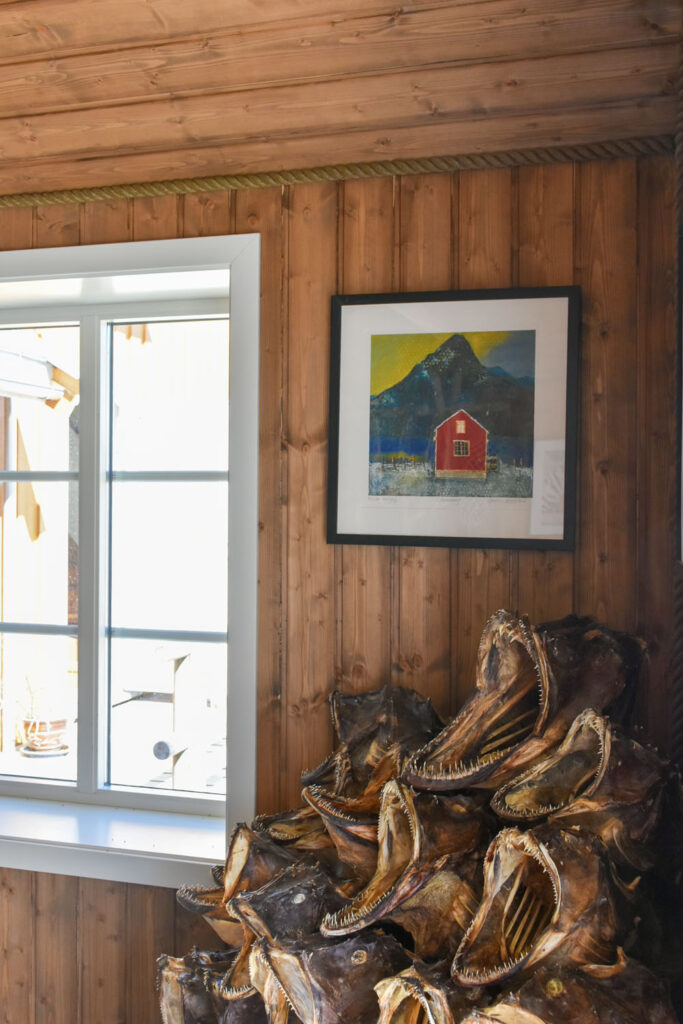
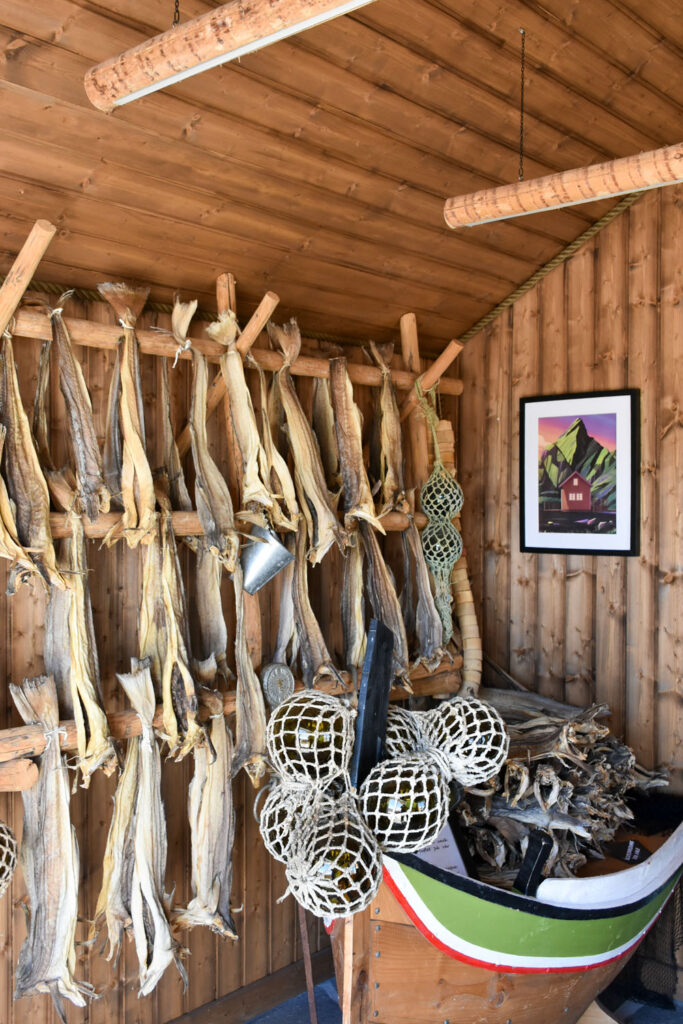
Driving through Lofoten, you will find these large wooden racks all throughout the islands. The fish are hung from these racks from late winter into early spring and dry by simply being exposed to the sun and wind. The result is one of the biggest exporting products of Norway, stockfish.
Stay in a Rorbu
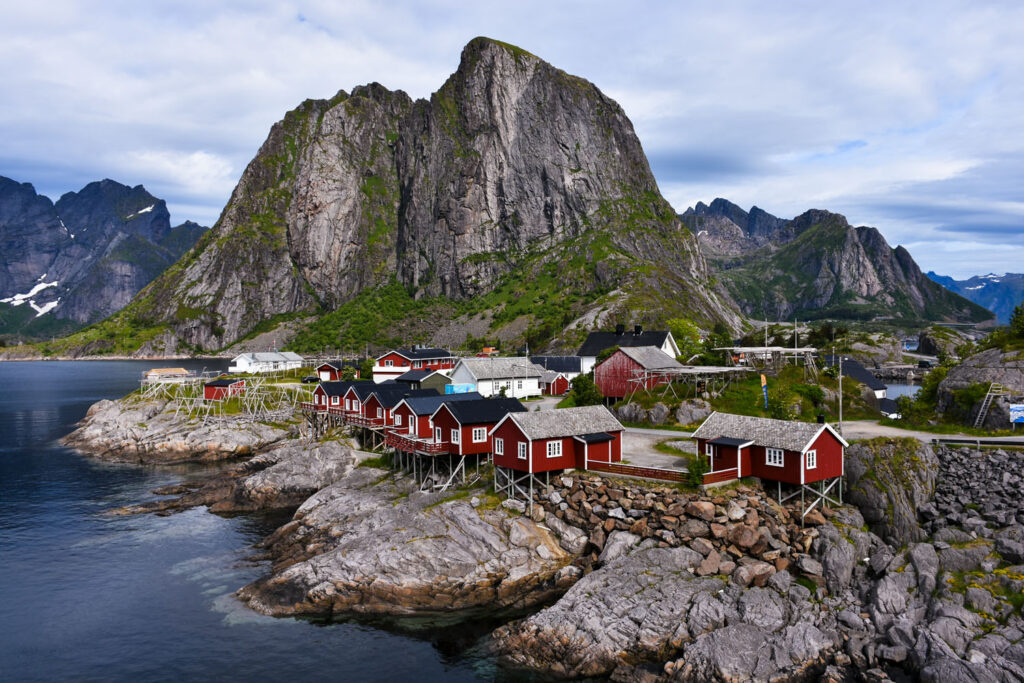
Staying in the iconic red wooden huts is a must-do in Lofoten. These huts were built for fishermen to stay close to the sea way before fishing vessels had room for them to sleep on the boats. Nowadays, these huts are converted into cozy cabins that are available for rent.
Visit the historic village of Nusfjord
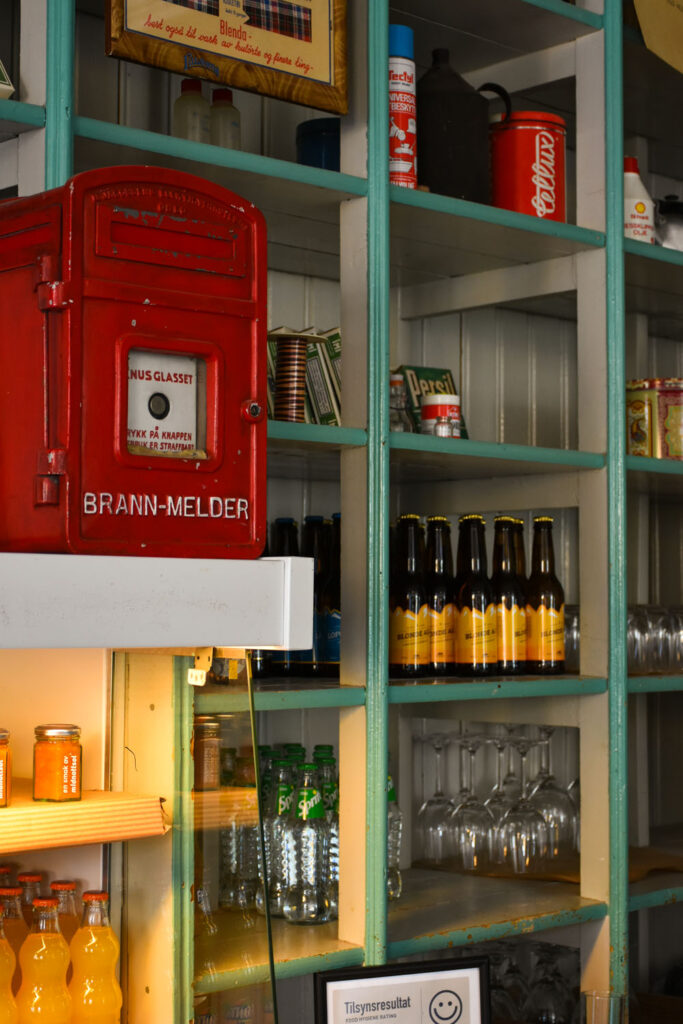
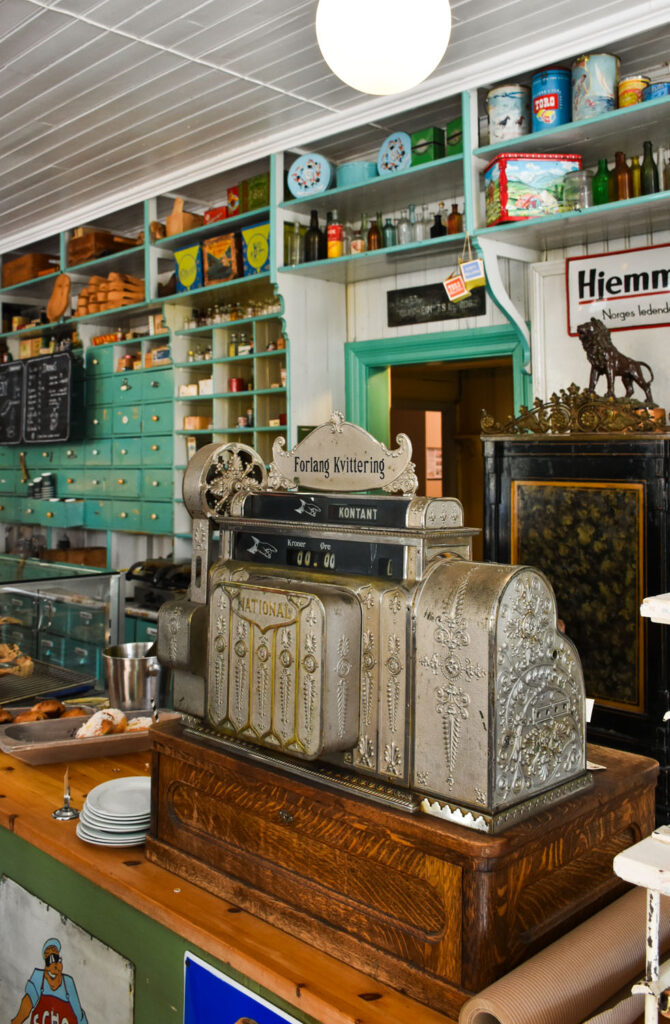
This picturesque village is a UNESCO World Heritage Site that deserves a few hours. Its shores are lined with traditional red rorbu houses, fishing boats, and a few nice restaurants and cafes. The village is pretty small, so if you are not stopping here for lunch, I would say an hour or two is more than enough time for a visit.
Lofoten is a dream destination whether you are an avid hiker, surfer or simply looking for a quiet summer getaway to a place where you’ll be surrounded by stunning mountain peaks, fjords and gorgeous beaches.