How to Visit Machu Picchu, Peru in 2026
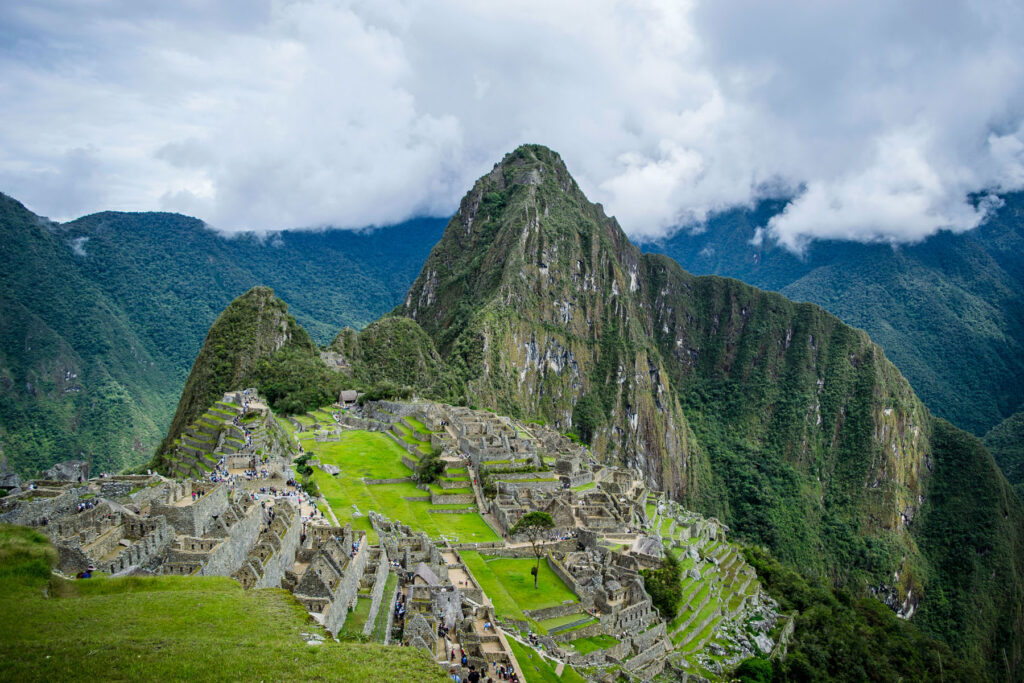
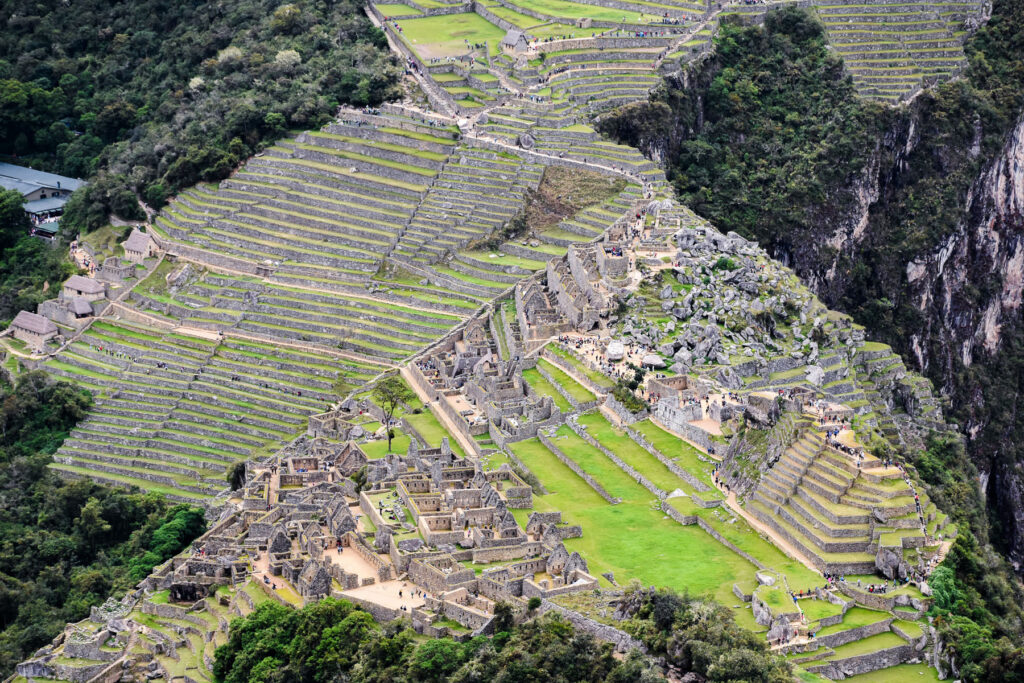
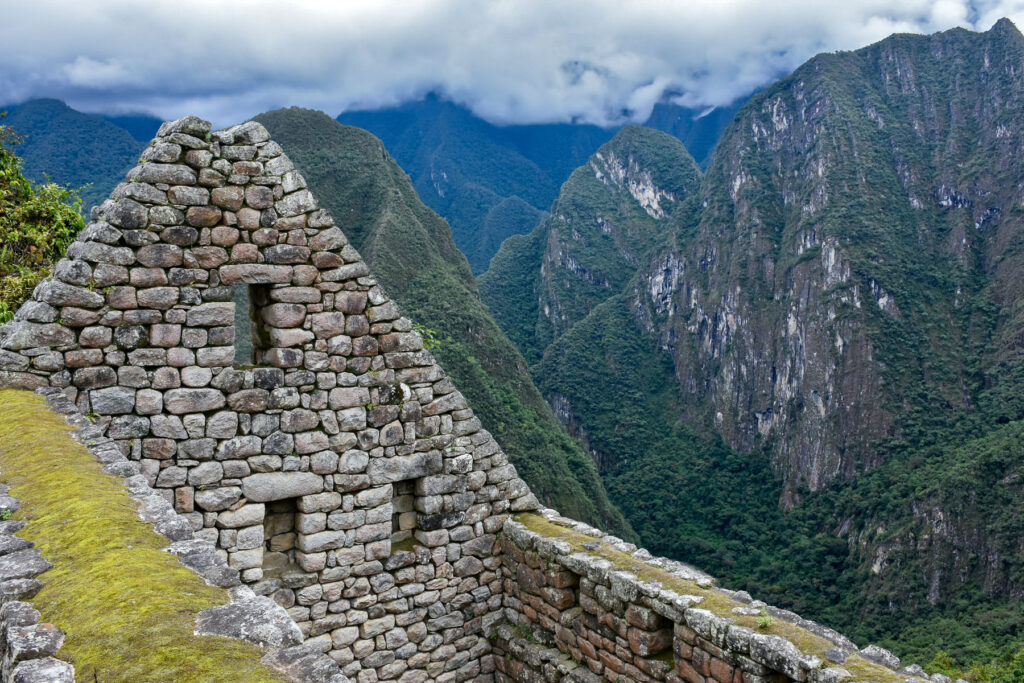
Machu Picchu ranks high on many travelers’ bucket list and for good reason. Built more than 500 years ago as a royal residence for arguably the most famous Inca ruler, Pachacutec, Machu Picchu is a true archeological wonder.
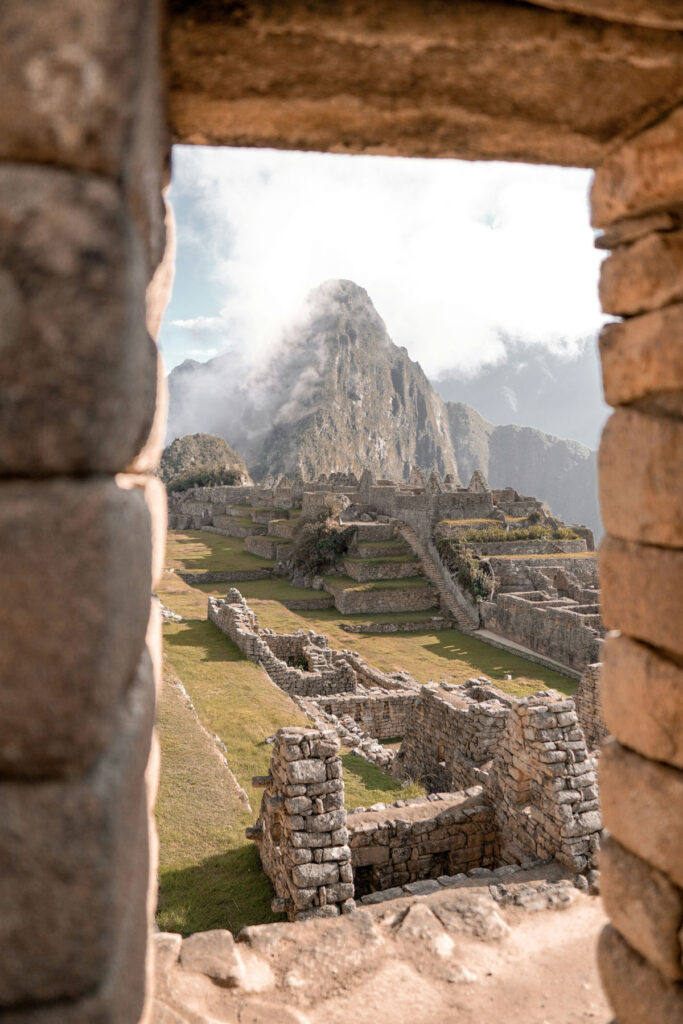
Set atop a small plateau between two lush green peaks high in the Andes, Machu Picchu has proudly made it to the New Seven Wonders of the World list.
Still rather inaccessible other than by foot or train, and protected by the Cordillera Mountain range, this Inca Citadel was once home to the ruling families of the Incan Empire for almost 100 years. It was abandoned in the early 17th century, never to be discovered by the Spanish invaders.
It was overtaken by nature when in 1911 a Yale professor and explorer Hiram Bingham came across it on his South American expedition and introduced this marvel to the world.
Traveling to Machu Picchu is surely on many people’s wish list, but getting there might be a little tricky. So, to help you plan your visit, I’ve put together this guide with practical tips on how to purchase tickets, get to the ruins, and most importantly follow the newly introduced rules that went into effect in 2023.
Best time to visit
Machu Picchu is open year-round with occasional closures for the month of February for site and trail maintenance. The peak season is July and August when you can expect the most crowds, although given the popularity, you can expect crowds at any given point in time. October through April is the rainy season, during which time the mornings are most likely to be foggy.
Sundays are likely to be the most packed, as the residents of the Cusco province are allowed to visit the site for free in addition to the daily visitor limit.
The time between 11am and 3pm is the busiest as day-trippers from Cusco arrive by train. The best time to be at Machu Picchu is early in the morning and late in the afternoon.
Getting acclimated to the altitude
Machu Picchu is located at an altitude of almost 8,000 ft (2,430 m). Unless you are making the trip from Cusco (11,200 ft / 3,400 m) chances are you are coming from a much lower altitude, so you need to give yourself some time to acclimatize.
Drink lots of fluids, especially coca tea, and avoid alcohol and physical exertion. Spend a night or two in Aguas Calientes, the gateway to Machu Picchu, or in the Sacred Valley to prepare yourself for the ascend to the Machu Picchu citadel.
Medication to prevent and ease the side effects of altitude sickness is available in most pharmacies. Consult your primary physician or the pharmacist before taking it. Don’t make the mistake my mother did and take this medication or chew coca leaves if you have a heart condition.
Bring your passport
You will need your passport number to purchase the tickets to visit Machu Picchu. You will also need to bring your passport with you to the site, as gate agents will be checking your passport name and number to make sure it matches your ticket. It’s best to have your ticket printed.
Another reason to bring your passport is to have it stamped to show that you’ve been to one of the New Seven Wonders of the World. As you exit the citadel just outside the gate, you’ll see a small stand with inkpad and stamp. Supposedly, it costs one sole to stamp it, but I didn’t see anyone collecting the money.
Buying the tickets
The easiest and perhaps cheapest way to secure your tickets is to buy them online at the Ministry of Culture website. The website is outdated, and you need to translate it to English, but it is legitimate and secure.
There is a daily limit to how many people can enter Machu Picchu and each year the number gets revised, so you want to purchase your tickets in advance. The last thing you want is to get to Cusco or Aguas Calientes and realize all the tickets are sold out, which is very common in peak season.
If for some reason you cannot purchase your tickets online, there are authorized retailers and tour operators in Cusco and Aguas Calientes that sell tickets to both the Machu Picchu Citadel and the Inca Trail. Keep in mind they don’t sell tickets at the entrance gate to Machu Picchu.
If buying the tickets online, you will need to make the purchase weeks or even months in advance, especially if you also want to hike the popular Huayna Picchu Mountain or the more strenuous one, Machu Picchu Mountain.
How do ticket times work?
When buying the tickets, you’ll notice they have different entry times. If you are spending the night in Aguas Calientes, you should try to enter during the first available time (6am) so you can get there before the day-trippers from Cusco to have a more serene experience. While the official time allotted for each visit is 4 hours, the citadel itself closes at 5:30pm.
If you arrive at Machu Picchu later in the afternoon because you are traveling from Cusco by train, then you can select a later entry time.
Do you need a guide?
As per the new regulations introduced in the recent years, hiring a guide to visit Machu Picchu is now mandatory.
The guide is required to accompany the visitors during the tour from the beginning to the end within any of the circuits, fulfilling a minimum visit time of 2 hours. You can hire a private guide or if visiting the Citadel as a group, the group size cannot exceed 10 people.
Tourists who enter Machu Picchu with a guide on day 1 and choose to revisit the site on day 2 are not required to hire a guide on the second day. All they need to do is show the previous day’s ticket and indicate the name of the guide who accompanied them.
A guide is not mandatory for hiking any of the three mountains surrounding Machu Picchu: Huayna Picchu, Machu Picchu Mountain or Huchuy Picchu Mountain. If you’d like to hire a guide for the hike, you can do so in advance or at the entrance gate.
If you are visiting Machu Picchu by yourself and are not part of an organized tour, don’t worry, you can hire a knowledgeable guide at the entrance gate the day of your visit.
New Regulations Post Covid-19
To make the visit to Machu Picchu more sustainable and to better preserve the UNESCO World Heritage site, new and more stringent regulations have been introduced in the recent years.
Keep these in mind when planning your visit and check online for the latest information, as these rules can change drastically year to year.
Circuits, Tickets and Timings
The biggest change that took effect in 2023 is the introduction of circuits. To cope with the flow of visitors and minimize the impact, Machu Picchu now offers five different circuits.
If you want to visit the ruins without hiking any of the mountains, then you would need to purchase the following ticket:
“Machu Picchu Ticket + Circuit 1 or 2”. The total daily capacity is 2,500 people.
This ticket only allows entry in these 3 time slots:
- First shift: entry from 6 am to 8 am
- Second shift: entry from 9 am to 11 am
- Third shift: entry from 12 pm to 2 pm
Circuit 1 includes the entire Inca citadel – you can visit from 6 am to 9 am.
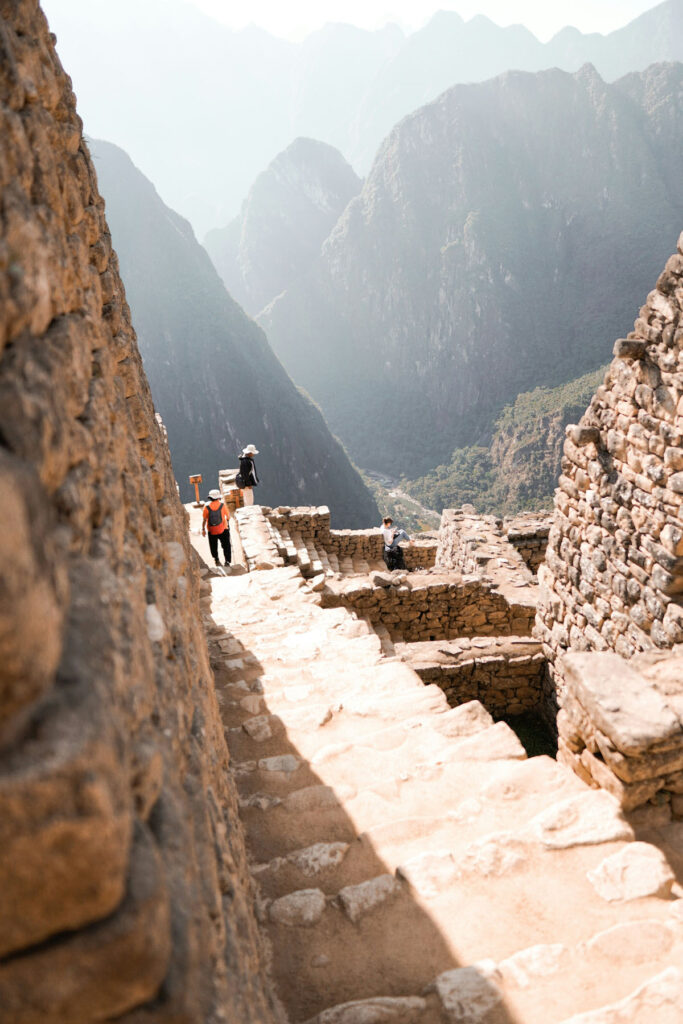
Circuit 2 includes the Inca citadel without the Intihutana stone, the Temple of Three Windows, and the Temple of the Condor – you can visit from 10 am to 2 pm.
If you want to include hiking any of the 3 mountains, then you would need to purchase the following tickets:
“Huayna Picchu Ticket + Circuit 4” – allows entry to Machu Picchu from 6 am. The total daily capacity is 400 people.
Shift 1: entrance to Huayna Picchu from 6 am to 7 am
Shift 2: entrance to Huayna Picchu from 7 am to 8 am
Shift 3: entrance to Huayna Picchu from 9 am to 10 am
Shift 4: entrance to Huayna Picchu from 10 am to 11 am
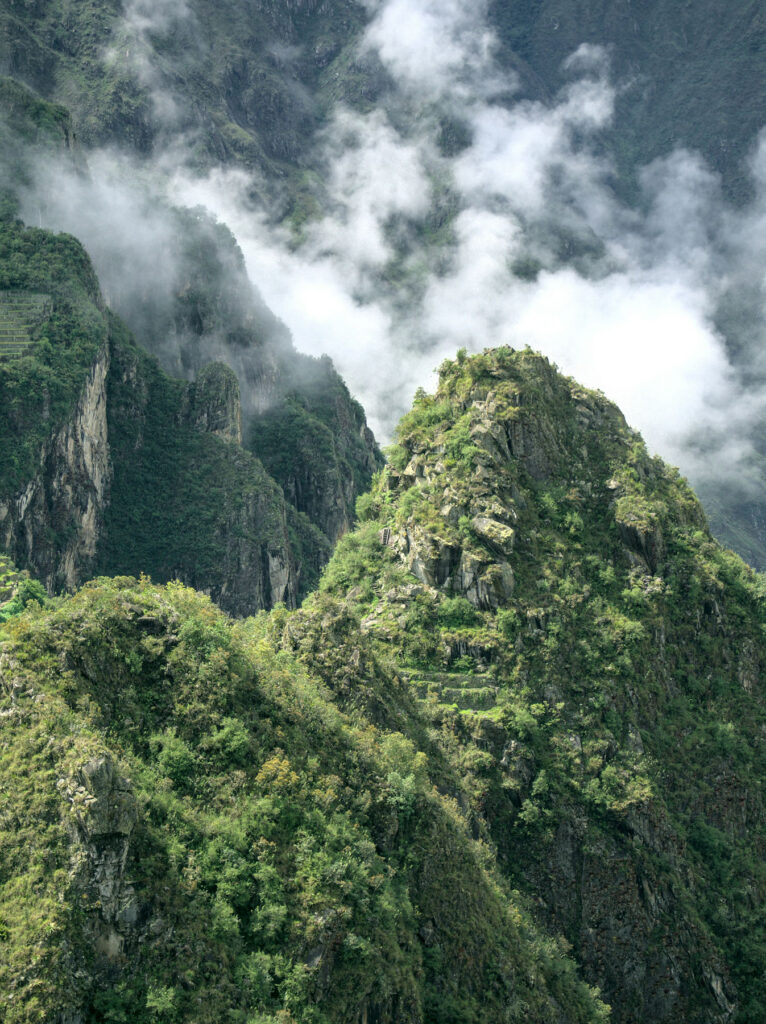
Huayna Picchu mountain, also known as Waynapicchu, is located north of the Inca city.
Hikers must register their entry and exit at the control point. It takes an average of 3 hours to go up and down the Huayna Picchu mountain. If you wish to visit the Temple of the Moon, the time will increase to 4 hours.
Hikers must complete their descent by 1 pm, which means you need to start your decent at around 11:30 am.
Children under 12 years old are not allowed to hike the mountain.
“Machu Picchu Mountain Ticket + Circuit 3” – allows entry to Machu Picchu from 6 am. The total daily capacity is 400 people.
Shift 1: entrance to Machu Picchu Mountain from 6 am to 7 am
Shift 2: entrance to Machu Picchu Mountain from 8 am to 9 am
The visitors can re-enter Machu Picchu ruins to explore Circuit 3.
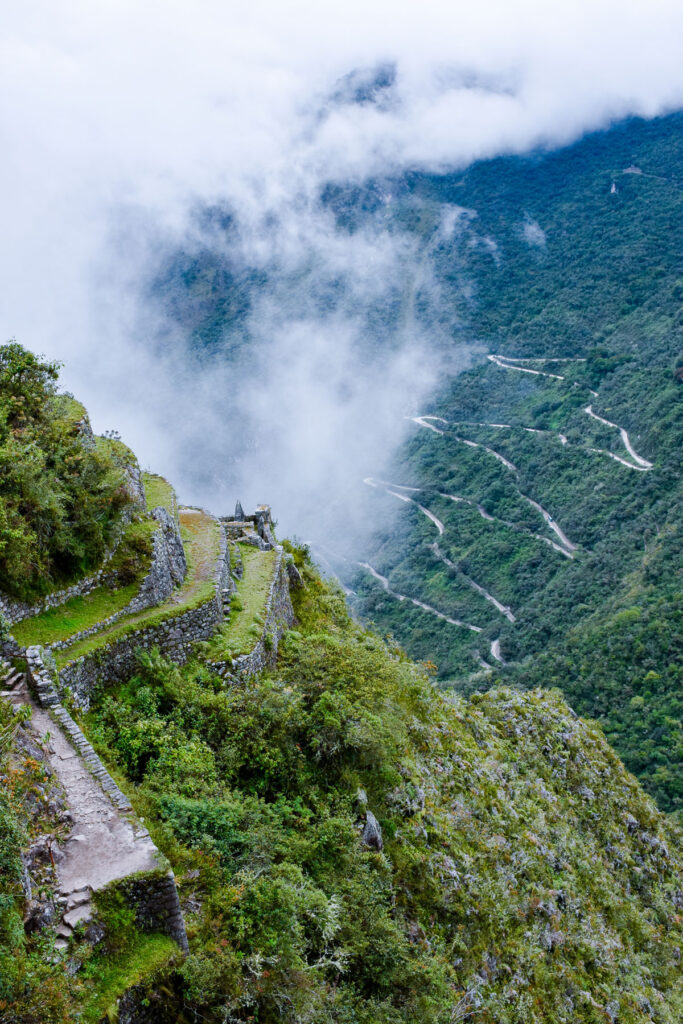
The Machu Picchu Mountain is the summit where the Inca city was built.
Hikers must register their entry and exit at the control point. It takes an average of 4 hours to ascent and descent.
Entry is allowed to people of all ages.
“Huchuy Picchu Mountain Ticket + Circuit 4” – allows entry to Machu Picchu from 6 am. The total daily capacity is 200 people.
Shift 1: entrance to Huchuy Picchu Mountain from 6 am to 7 am
Shift 2: entrance to Huchuy Picchu Mountain from 2 pm to 3 pm
Finally, if you wish to visit the Machu Picchu Museum, you will need to purchase the following ticket:
“Machu Picchu Museum Ticket” – allows entry to the museum on Mondays through Sunday from 9 am to 5 pm.
Getting to Machu Picchu
Now that you have finally figured out all the intricacies of buying the tickets to visit Machu Picchu, let’s talk about the logistics of getting there.
There are essentially only two ways of getting to the Inca city – by train or by foot.
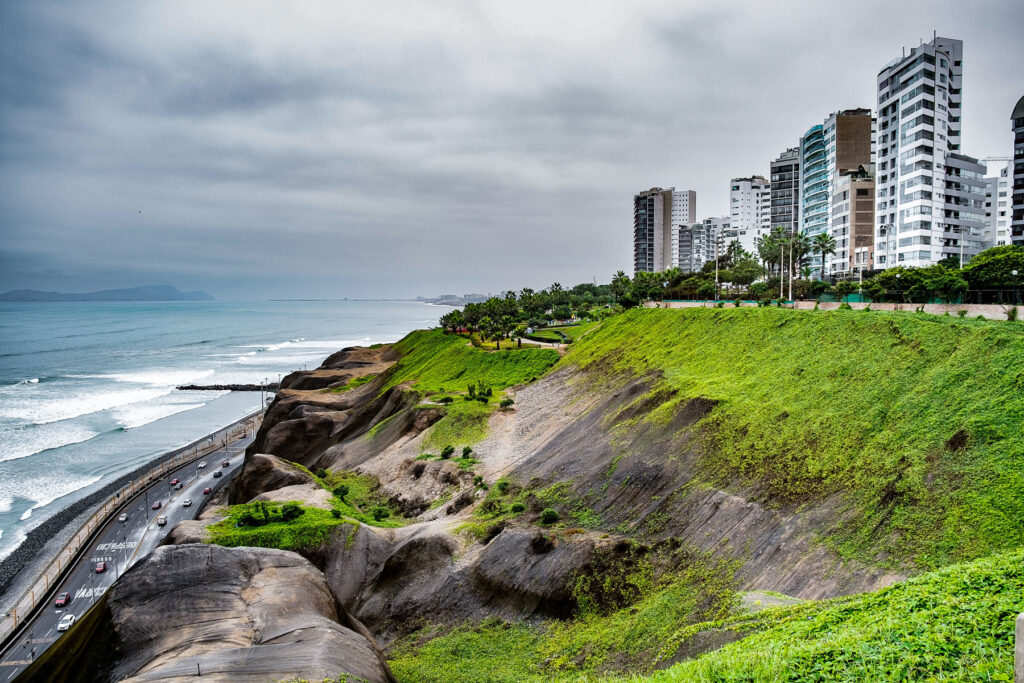
Most people will fly into the capital city of Lima and from there take a local flight to Cusco.
While you might be tempted to start heading to Cusco right away, I’d recommend spending at least a few days in Lima. If nothing else, stay for the food. Lima has 4 out of the World’s 50 Best Restaurants, with “Central” taking the first spot.
Once you arrive in Cusco and spend at least a day exploring the city and getting acclimated to the altitude, start making your way to Aguas Calientes, the gateway to Machu Picchu.
Traveling by train
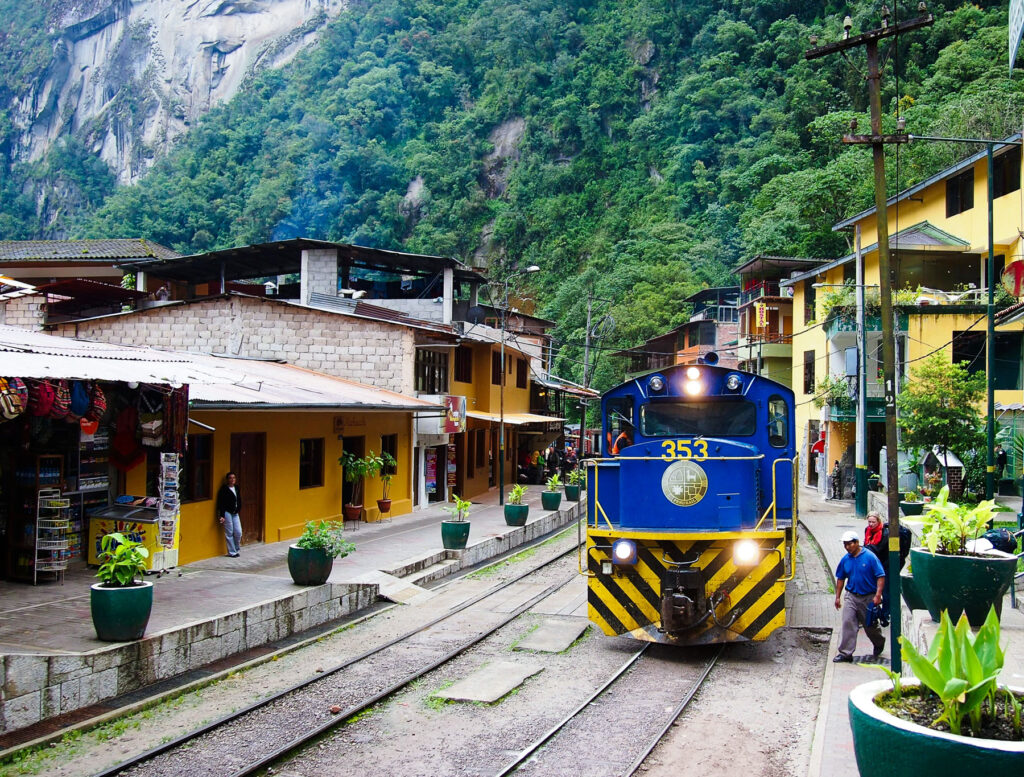
A scenic 3.5-hour train ride each way takes you through the Sacred Valley along the Urubamba River with dramatic canyons on either side.
Note that the “Cusco” train station is located just outside Cusco in the nearby town of Poroy. It’s an inexpensive taxi ride to get to the train station but give yourself some time to get there in case of heavy traffic.
Train tickets, just like Machu Picchu entrance tickets, should be booked in advance. There are three train companies to choose from: Peru Rail, Inca Rail and Belmond Hiram Bingham train.
The Hiram Bingham train is the most luxurious option. Tickets costs around $500 USD one way and the experience includes a white tablecloth dinner with drinks and even a fashion show with local artisanal clothing items that you can purchase right on the train.
The Peru Rail and Inca Rail offer comparative experiences with ticket prices ranging from $60-$80 USD one way, depending on if you opt for an enhanced experience with panoramic windows for an additional fee.
If all the train tickets from Cusco are sold out, don’t despair. You can travel to Ollantaytambo, which is less than 40 miles northwest of Cusco, by taxi or minivan, and catch a train from the Ollantaytambo train station. If you have time, spend a night in this town, which features many Inca buildings and ruins.
Traveling by bus and walking
Budget travelers might opt for a slightly more strenuous but cheaper journey by taking a shuttle bus from either Cusco or Ollantaytambo to Hidroeléctrica. Since there are no roads leading directly to Aguas Calientes, the shuttle will drop you off at Hidroeléctrica and you will start your 3-hour walk along train tracks to reach Aguas Calientes.
Hiking
The most famous way of getting to Machu Picchu is by hiking. There are various guided treks that last anywhere from a few days to several weeks.
The Inca Trail starts at a base near Cusco. Other treks, such as Lares Trek and the Salkantay Trek, start in the Sacred Valley. All treks require a guide, you cannot do the hike without hiring an official guide.
There are many companies you can book with either online or directly in Cusco that include guides, porters, and meals. Some even offer glamping.
The final step
Once you finally reach Aguas Calientes, you can start making your way to Machu Picchu.
If you choose to walk, it’s a tiring trek about 4,000 ft (1,220 m) uphill. In my opinion, you should skip walking this part.
The best option is to take the bus. Busses leave every 10-15 minutes starting at 5:30 in the morning and run until 3:30 in the afternoon. The ride takes about 20 minutes and costs roughly $12 USD one way. You can buy the tickets directly at the Aguas Calientes station or at authorized retailers in Cusco.
Suggested reading
If you want to brush up on your history and make the trip to one of the New Seven Wonders of the World more meaningful, then pick up these best-sellers before your visit.
The Lost City of the Incas: The Story of Machu Picchu by Hiram Bingham
- This book is written by Hiram Bingham himself. It is an accurate and rather scientific account of his journey and ultimately his findings.
Turn Right at Machu Picchu by Mark Adams
- This is a lighter read than The Lost City of the Incas and provides a funny and entertaining account of the author’s journey to Peru to retrace Bingham’s steps.
It might seem like planning a trip to Machu Picchu is logistically difficult, and it might be, but once you arrive at the Citadel and see this magical place with your own eyes, you’ll understand why this place is so special.