Top 14 Things to Do in Bolivia
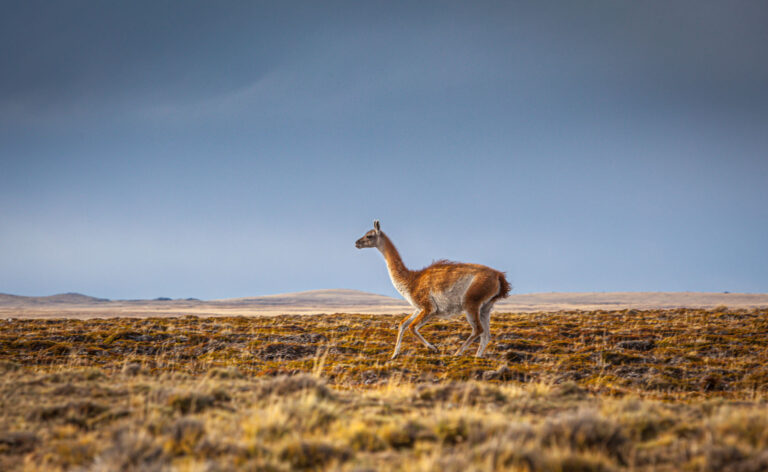
Bolivia is one of the most underrated countries in South America. Dubbed a country of extremes, it has something to offer to everyone – breathtaking landscapes, unique culture, adrenaline-filled adventures and adorable alpacas.
If you are looking for a more off the beaten path experience, then look no further. Whether you want your fortune told by a shaman, or perhaps bike on the most dangerous road in the world or admire the beauty of the incredible salt flats – Bolivia has it all.
This landlocked Latin American country is one of the least visited destinations in South America, but that’s one of the reasons why traveling there is so special.
Bolivia is a hidden gem that boasts mesmerizing scenery from the snow-capped Andes to rainforests and the spellbinding Red Lagoon. It’s a culturally rich country with many indigenous communities still practicing their traditional way of life.
So, make sure to explore this relatively untamed corner of the world before the secret gets out!

Bolivia Essentials
Salar de Uyuni
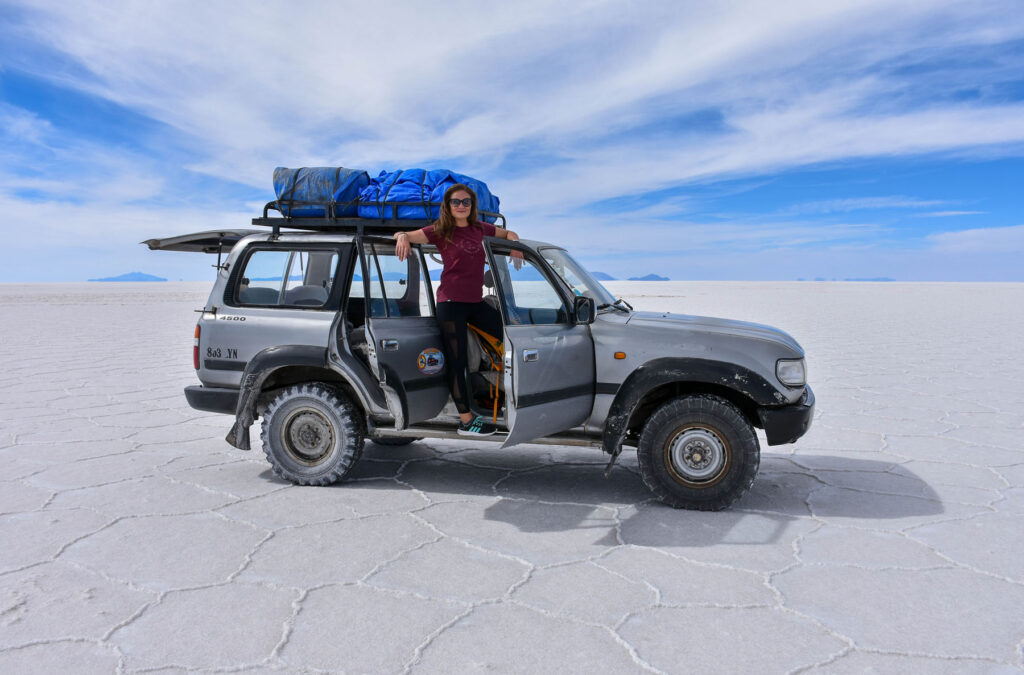
Bolivia’s Salt Flats, or Salar de Uyuni, is the world’s largest salt flat covering over 3,900 square miles. The area is roughly the size of the Big Island of Hawaii.
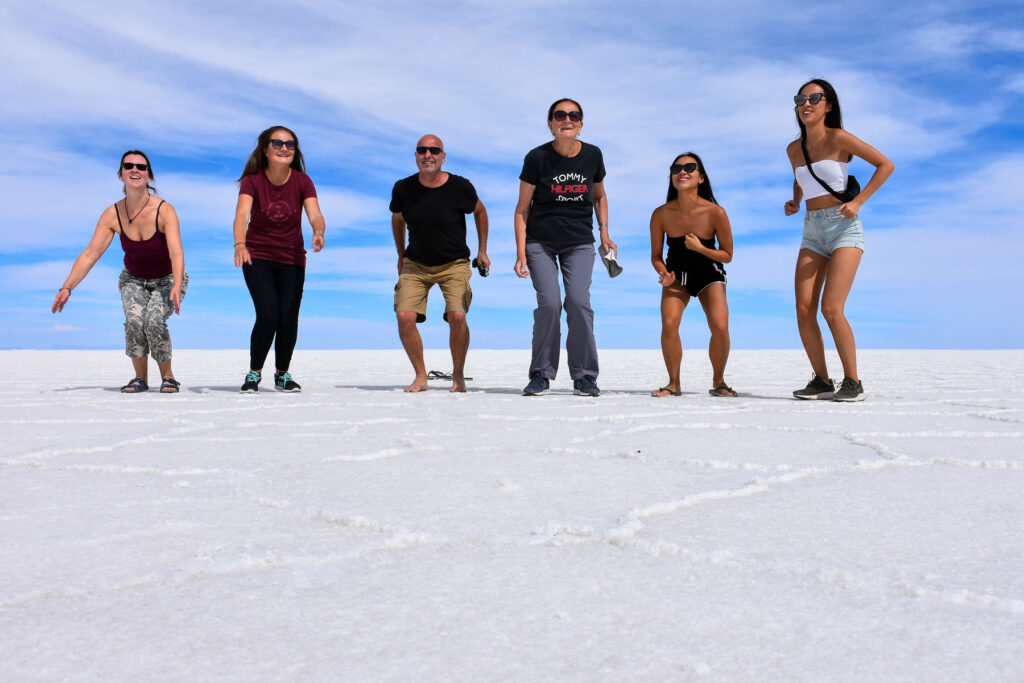
Famous for its otherworldly landscapers providing a jaw-dropping backdrop for photographers, the salt flats are a perfect destination for off the beaten path adventures.
What makes this place unique is the mirror effect caused by heavy rainfall. The water reflects the sky making it look like you are walking on clouds.
Another famous attraction of the area is Isla Incahuasi. An island in a sea of salt, it is home to native species of cacti that are hundreds of years old. This island is a remaining part of a volcano that existed when Uyuni was still Lake Minchin, about 40,000 years ago.
Other attractions in the area include the train cemetery, the Polques hot springs, the infamous Laguna Colorada, Laguna Blanca, and Laguna Verde.
Many tour companies offer 3- or 4-day trips to this mesmerizing place, and you can even spend a night in a salt hotel. Make sure to come out at night and gaze at the stars.
Laguna Colorada
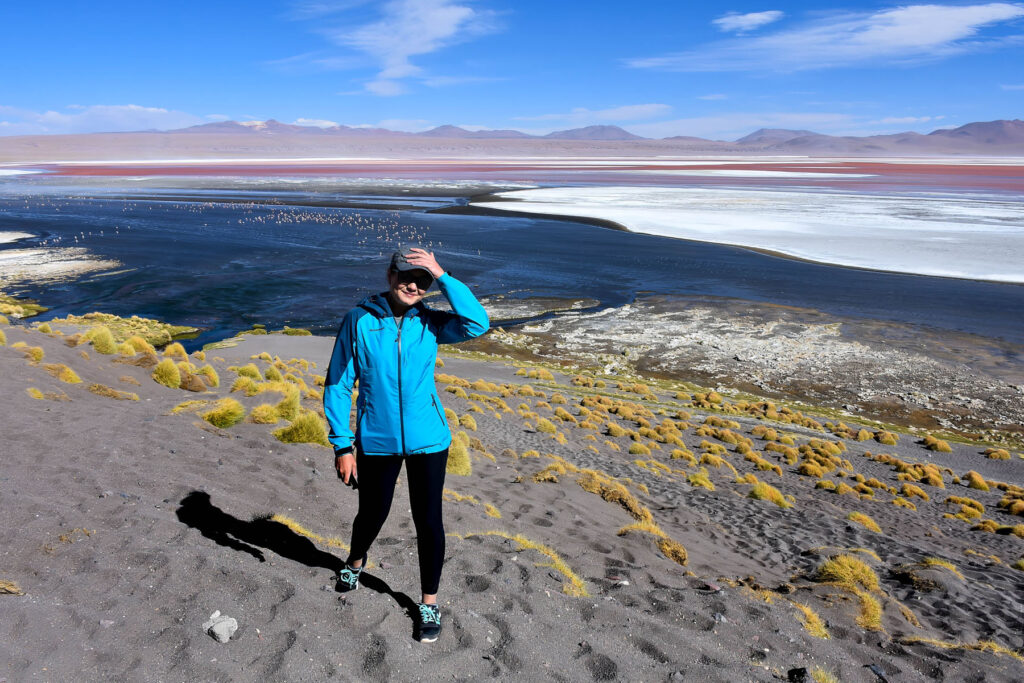
One of the most breathtaking natural wonders of the entire country of Bolivia is the Laguna Colorada, or ‘Red Lagoon’.
Nestled about 14,000 feet above sea level, Laguna Colorada is a shallow salt-lake that is famous for its red color, which comes from algae and rich minerals in the water.
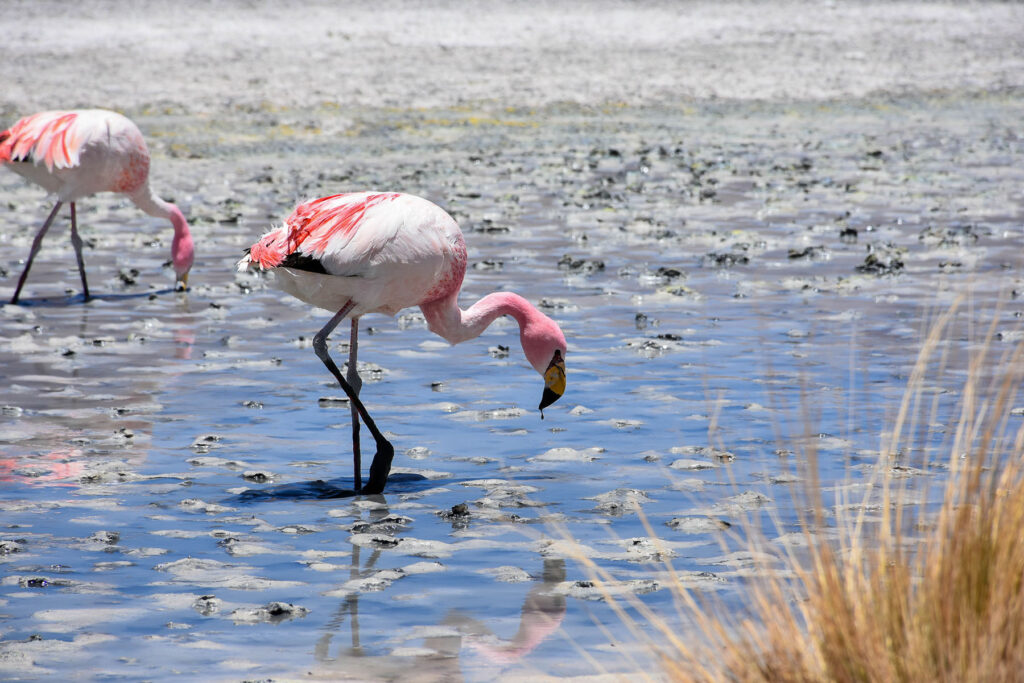
Laguna Colorada is also home to 3 out of 6 species of flamingos – Andean, Chilean and James’s. The latter one was thought to be extinct but rediscovered in the area in 1950s.
Nominated to be part of the Seven Natural Wonders of the World, Laguna Colorada is a must-visit during your Bolivia trip. The lagoon is included in most of the Salar de Uyuni tours, but if you are not visiting the Salt Flats, you can easily access the Red Lagoon from the town of Uyuni.
Death Road (Camino de la Muerte)
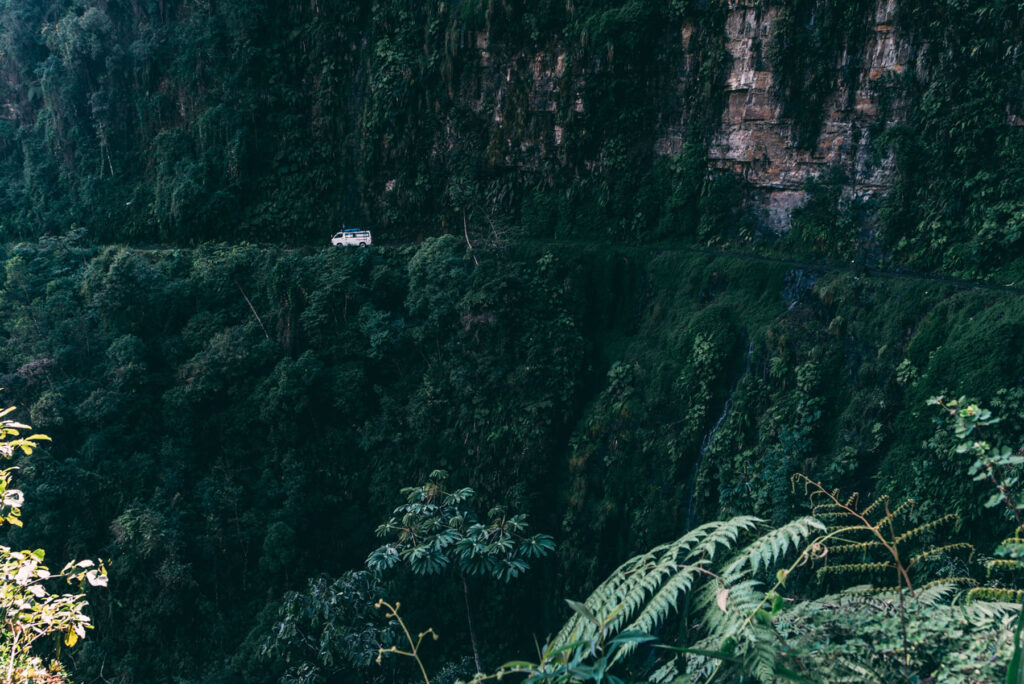
If you are looking for an adrenaline rush, then this mountain bike adventure is for you.
Deemed the most dangerous road in the world, the Camino de la Muerte, or Death Road, leads through almost vertical slopes of the Cordillera Real from La Paz to the Yungas valleys.
This one lane road is about 50 miles (64 km) long and climbs to 15,260 ft (4,650 m) in altitude. It passes through almost all climatic zones of South America, ranging from the cool and dry Altiplano to the hot and humid rainforest.
There are many tour companies in La Paz that offer biking on this notorious road and at the end of the adventure you get a T-shirt commemorating your achievement.
La Paz Witches Market
There aren’t that many places left in the world that make you feel like you took a step back in time, centuries in fact, to a world of unexplored and untamed culture. The Witches Market in La Paz is one of those places.
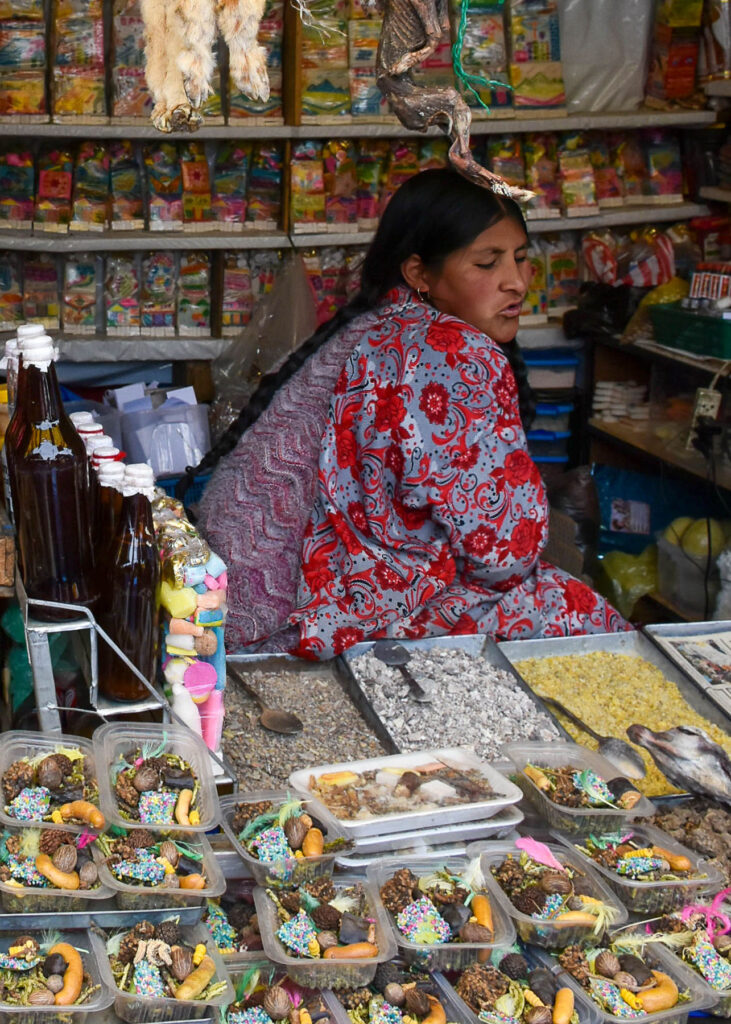
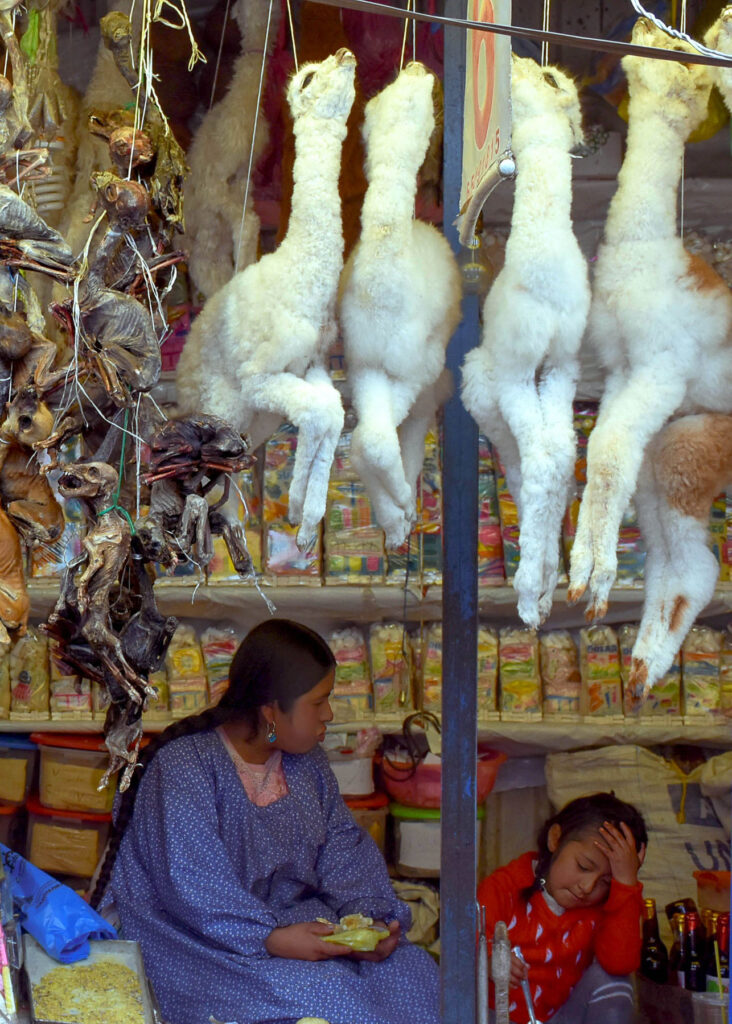
Here you can find all sorts of fascinating things for sale – anything from dried turtles and aphrodisiac formulas to ingredients used in Aymara rituals for calling on the spirits. The most popular product, however, and this is not for the faint of heart, are dried llama fetuses. These fetuses are said to bring luck and prosperity and are mainly used by being buried in the foundations of new buildings as an offering to Pachamama (Mother Earth).
I highly recommend getting a tour through the market with a knowledgeable guide to get a better understanding of all the intricacies of this unique place.
Mi Teleférico in La Paz
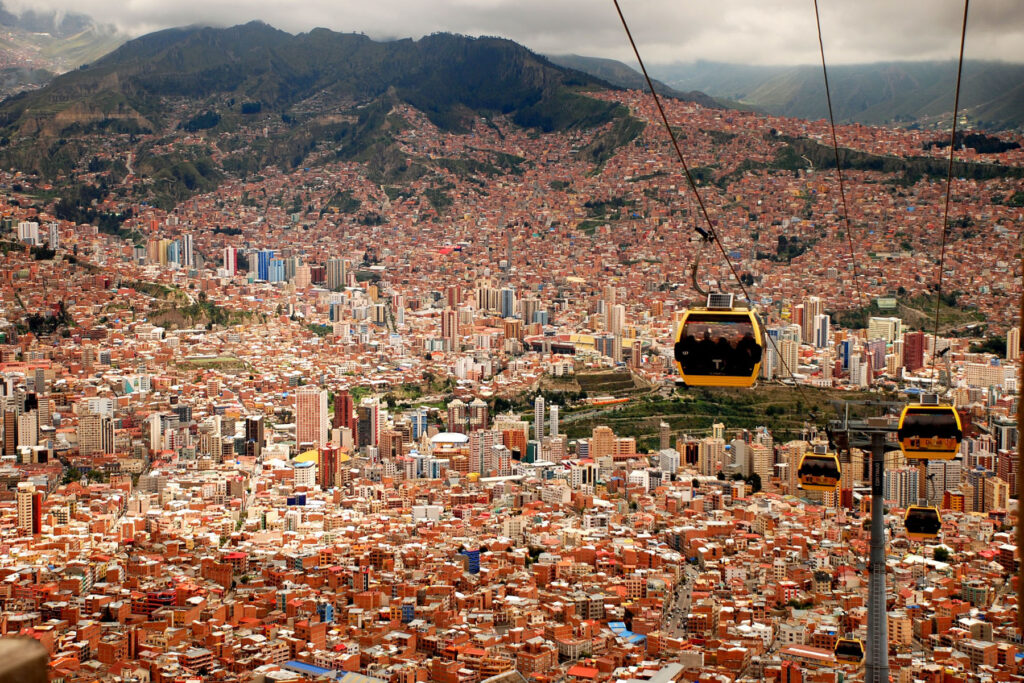
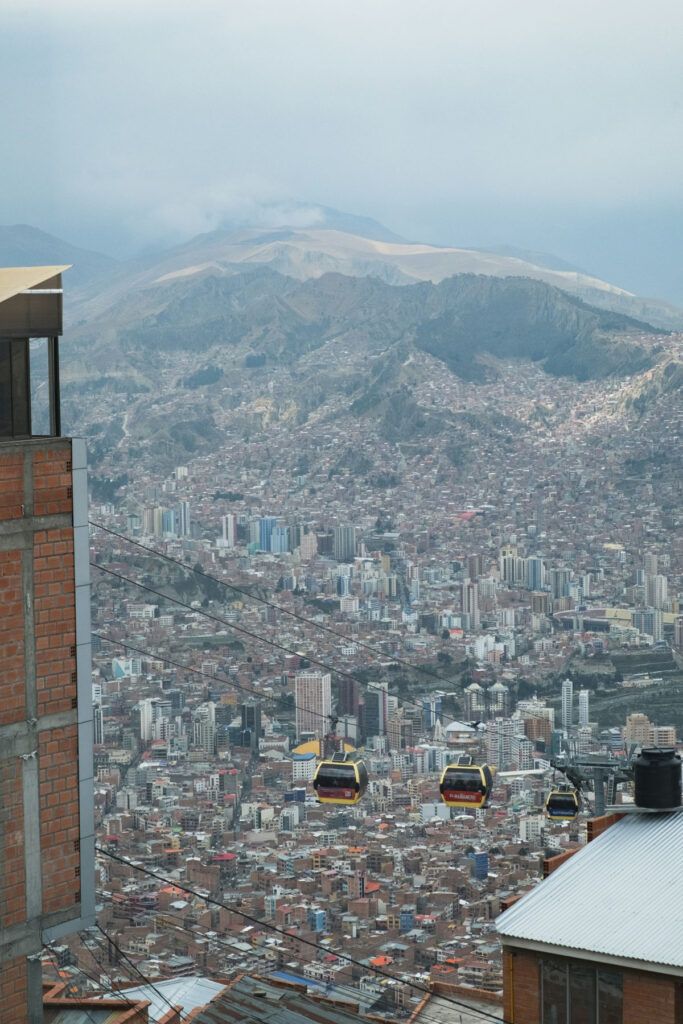
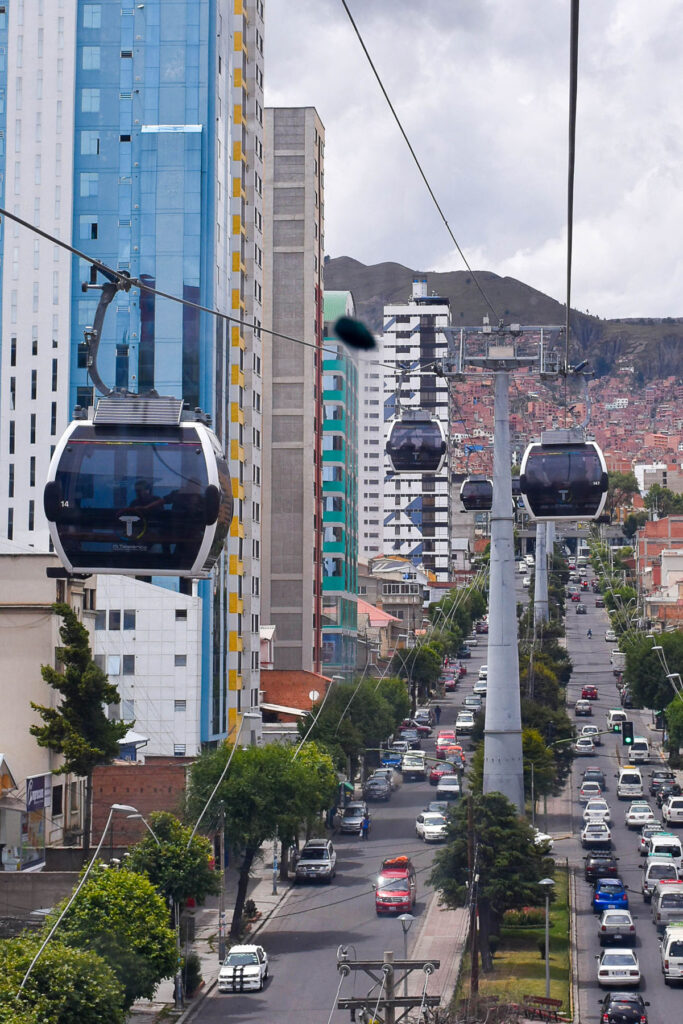
A great way to see the vast city of La Paz without the hectic traffic is from above. Mi Teleférico is an aerial cable car transit system serving the La Paz – El Alto metropolitan area.
The system was built to reduce the heavy congestion between the two cities. Despite their proximity, travelling between the two cities was difficult due to a difference in elevation of about 1,300 ft (400 m). Travel was limited to public transportation on narrow winding streets.
Now, Mi Teleférico consists of 10 different lines serving 36 stations. Many sightseeing agencies in La Paz offer city tours by cable car. It’s an efficient and unique way to see the city.
Lake Titicaca & Isla del Sol
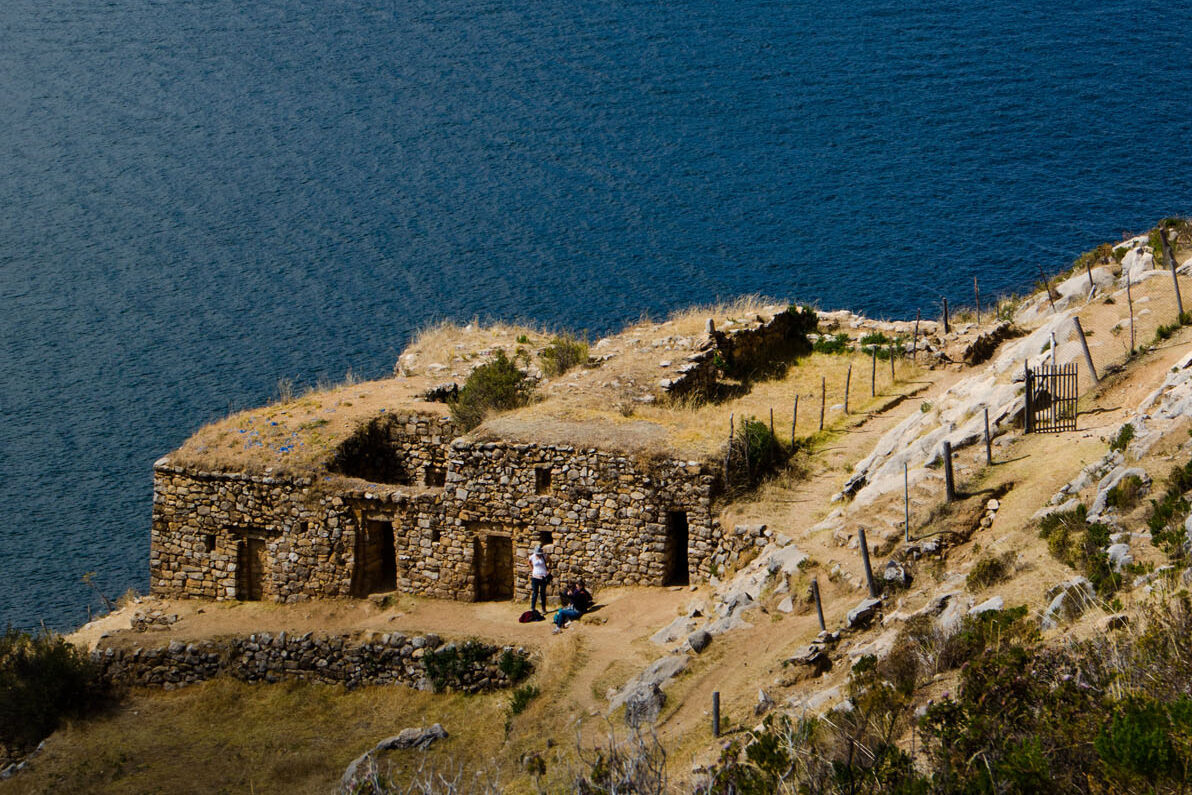
Travel to Isla del Sol on Lake Titicaca from Copacabana for a beautiful sunset and ancient Inca ruins.
This highest navigable lake in the world is believed by the locals to be the birthplace of the sun. It is the largest lake in South America and the lands around it were populated from before the times of the Inca.
Valley of the Moon
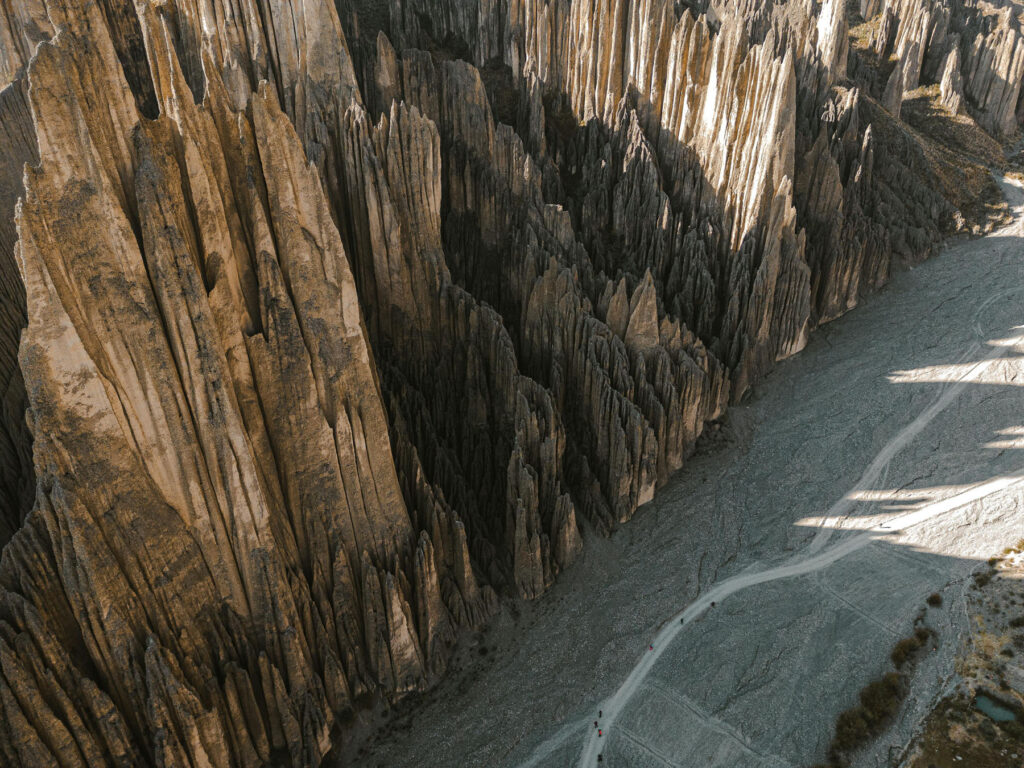
“Valle de la Luna”, or Valley of the Moon, is a geological formation just outside the city center of urban La Paz. The park is full of unique and exotic rock formations that attract visitors, especially photographers, to this beautiful valley.
Rumor has it that Neil Armstrong said the rock formations reminded him of craters on the Moon and so the locals gave the valley its current name “Valley of the Moon”. The name was officially confirmed in 1969 and now the local tour guides swear that the story is true.
Valle de las Animas
The Valle de las Animas, or Valley of the Souls, is famous for its densely populated rock formations. The first visitors to the valley believed the spires reaching out to the sky resembled terrified souls, which gave the valley its name.
Today, hikers flock to this unique place for otherworldly landscapes and views. Adding to the beauty of the place, Bolivia’s highest mountain, Illimani, towers in the background.
Cholita wrestling
Wrestling might not be at the top of your list of things to do in Bolivia, or anywhere else in the world for that matter, but you’d definitely be missing out.
Cholita wrestling comes from the classic Mexican lucha libre, which is a theatrical fight of good over evil. Originally, Cholita wrestling came about in the early 2000s with the aim of helping victims of domestic violence. A small group of women would gather regularly using wrestling as a way to release stress.
The trend quickly grew and became the international phenomena it is today. The female wrestlers break stereotypes representing the indigenous Aymara and Quechua people, who suffered from oppression and discrimination for centuries, by fighting in their traditional outfits.
Sucre
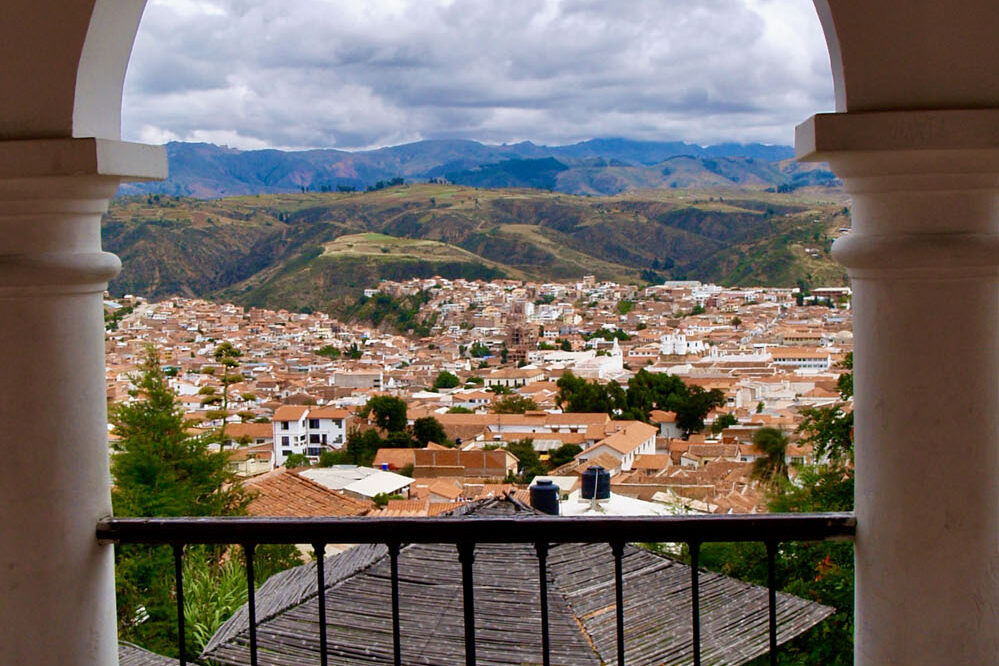
The White City of Bolivia, Sucre, is Bolivia’s true capital, even though the seat of the government is located in La Paz.
This beautiful colonial city offers a multitude of museums, cozy cafes, cultural events, and beautiful architecture. The charming town offers the feeling of being surrounded by the Andes without the more severe altitude sickness of La Paz.
It’s popular with visitors who want to brush up on their Spanish and learn the local culture while staying in a comfortable and safe place. Its proximity to nature activities also makes this European like city a popular destination.
Potosí
Potosí was famous for providing roughly 20% of the world’s silver during the Spanish colonial times. Even now, Potosí still sits on one of the largest silver deposits in the world.
Nowadays, visitors come to Potosí to tour what’s considered one of the most dangerous mines in the world.
Potosí is also the world’s highest city sitting at 13,418 ft (4,090m) above sea level. So if you’re not into mountaineering, this might be your only chance to be at such a high altitude.
Oruro Carnival
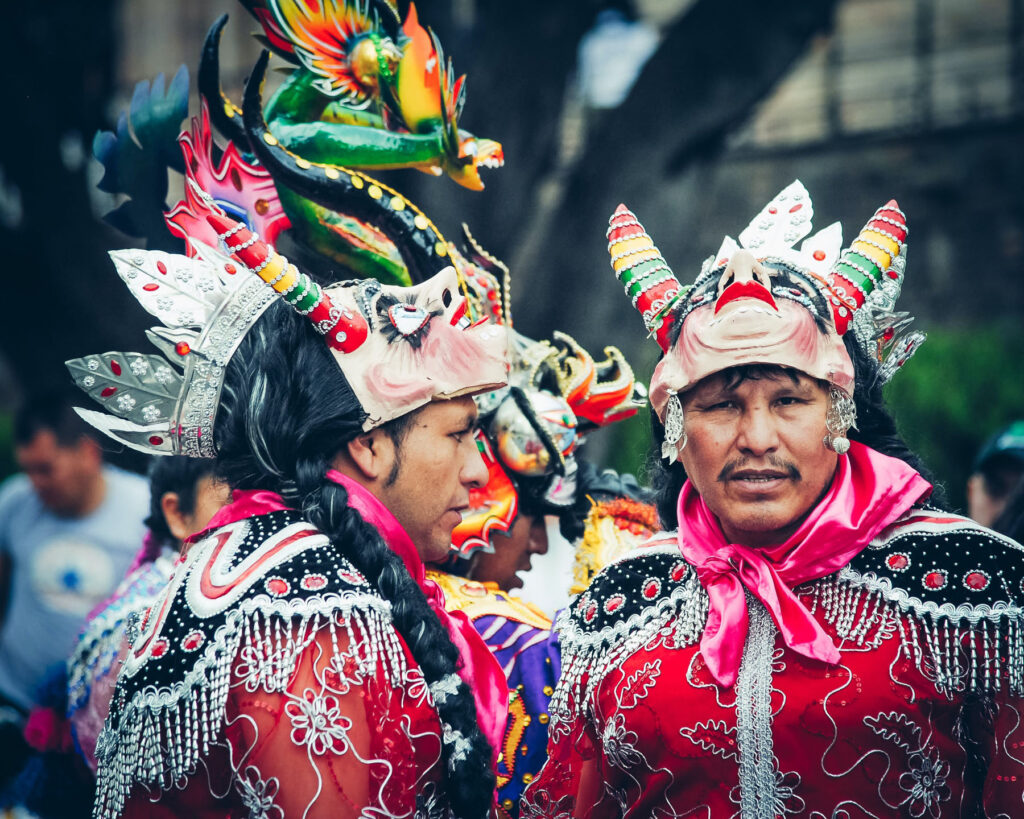
The world-renowned carnival was originally an indigenous festival celebrated by the Aymara and Quechua people of the Andes. Locals prayed to Andean gods, asked for protection, and gave thanks to Pachamama (Mother Earth).
After the Spanish colonization in an attempt to further promote Christianity, the priests encouraged the locals to perform their traditional dances in line with Catholic holidays. By the mid-eighteenth century, Andean rituals transformed into Catholic celebrations giving us the Oruro Carnival we know today.
The religious celebration focuses on dancing, music, and colorful costumes. More than forty-eight groups of folk dancers specializing in eighteen different folk dances perform a pilgrimage to the Shrine of the Tunnel every Saturday of the carnival in a traditional parade.
Pre-Incan Ruins in Tiwanaku
If you are a history buff, then you must visit Tiwanaku. Located just 2 hours outside of La Paz on the way to Copacabana, Tiwanaku is one of the most important pre-Colombian sites in the Americas.
Set on the southern shore of Lake Titicaca, the Tiwanaku ruins stand as evidence to a major pre-Colombian ancient civilization before the Incas.
Tiwanaku were known for their astonishing agricultural system, known as the raised-field system. It consisted of raised planting surfaces separated by canals. The canals retained the heat of the powerful sun during cold nights kept the crops from freezing.
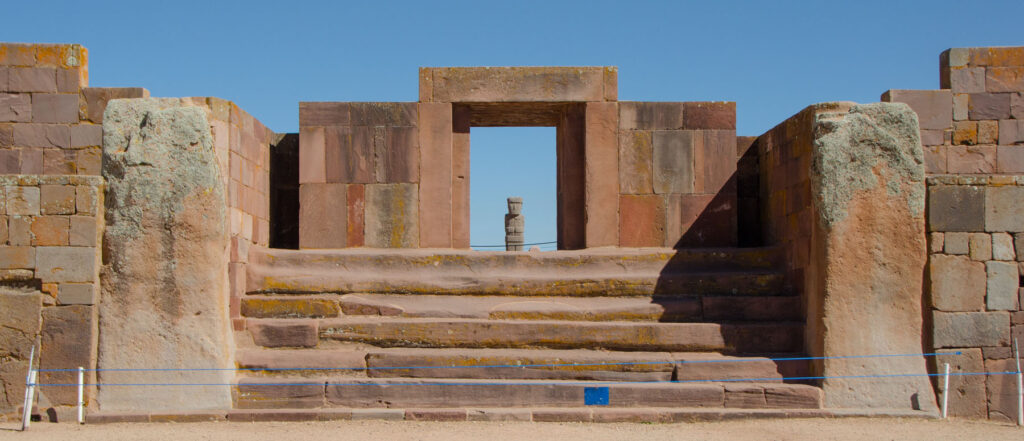
Tiwanaku site features an impressive number of buildings, including the Akapana pyramid and a monolithic Gateway of the Sun.