Cuba for First-Time Visitors

Cuba is a fascinating country. It has exotic beaches with clear turquoise waters, lush hills surrounding sugar cane and tobacco farms, colonial towns that transport you back in centuries, and vibrant cities with remnants of its complex history.
But most importantly, Cuba has its people. The people that dance in the streets despite all their hardships, the people that are kind to strangers even if life hasn’t been kind to them, the people whose smile is so genuine you wonder how it’s possible in the face of such adversity.
Unlike many destinations in the Caribbean, Cuba has a lot more to offer besides its world-class beaches. If you are a history buff, you’ll find Cuba’s past and present captivating. If you are into hiking, there are plenty of places to immerse yourself in nature, from horseback riding in the Viñales valley to swimming in caves and by waterfalls. If you enjoy a big city life, then head over to Havana for a foodie scene, salsa dancing, classic car rides and lots of cocktail sipping on rooftop bars with live music.
Visiting Cuba as an American? Learn how you can visit Cuba legally and safely – from tips on applying for the visa to exchanging money, I’ve got it all here.
Cuba requires some preparation and research before visiting, and I recommend learning a bit more about its history and current political situation to experience this unique country fully.
Below, I’ve put together what I think is a classic itinerary for first time visitors that will give you a glimpse into what Cuba is like beyond Havana.

Cuba Essentials
The classic itinerary for first time visitors usually includes visiting Havana (La Habana), Trinidad and Viñales, with an add on to one of the world-famous beaches, like Varadero.
Below are the highlights of things to do in each of these three destinations.
Things to do in Havana
Explore Old Havana (La Habana Vieja)
La Habana Vieja, or Old Havana, is the oldest part of the city, established in 1519 and is a UNESCO World Heritage site. It’s a marvelous area, where meticulously preserved town squares and grandiose government buildings sit alongside crumbling colonial masterpieces.

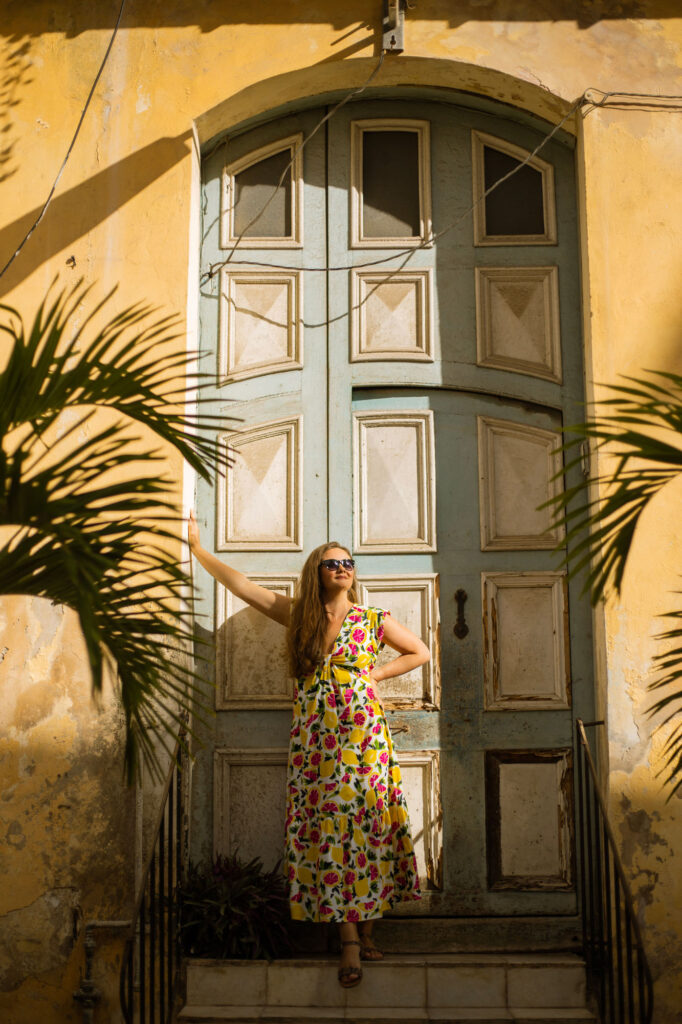
Take a walking tour of Old Havana to explore its history, current political situation and learn about the real life of Cubans. I recommend a free walking tour with a local guide. Not only will you learn from a local, but you will also support the local economy and people.
Classic Car Tour
One of the most iconic things you can do in Havana is take a ride in a vintage car. Now, you probably won’t get to drive it, but riding around in an old Buick or Cadillac is such a fun activity.


You don’t have to book the tour in advance. There are plenty of cars lined up in front of the capitol building and you can just come up to one of the drivers and start the tour right then and there. The tour usually loops around the city with one or two stops, such as the Revolution square, and costs about $40 USD for one hour.
Visit a rooftop bar for sunset views
The most famous place to watch a sunset is arguably the Gran Hotel Manzana Kempinski. The rooftop has a bar, a pool for hotel guests, which came as a pleasant surprise, and a gorgeous view of the Central Park and the Capitol building.
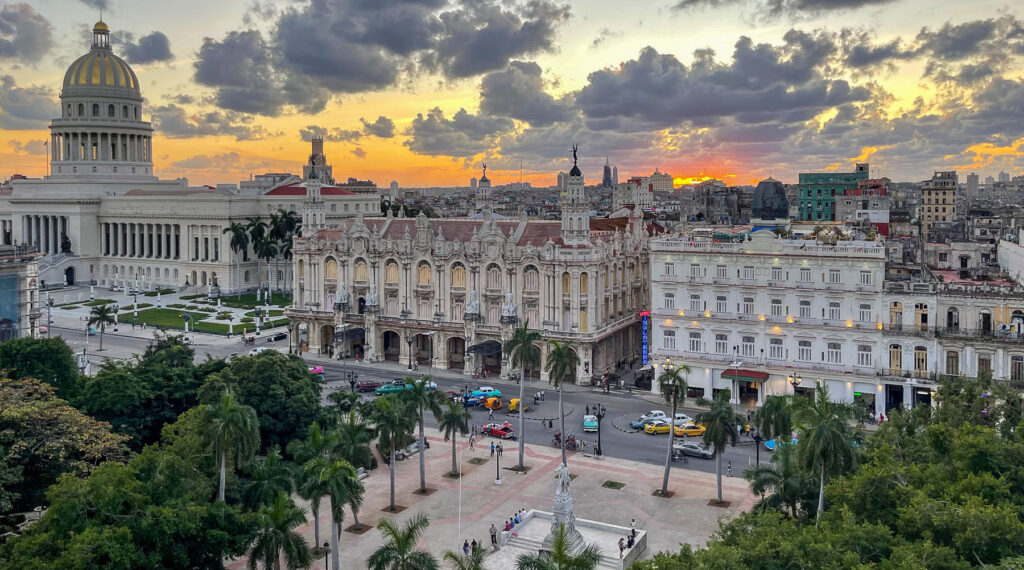
Another popular spot is Malecón663, a boutique hotel with a rooftop terrace on the 4th floor overlooking the ocean. Here you can enjoy tasty snacks, refreshing cocktails and plenty of live music while watching the sun set over the horizon.
Walk or drive along the Malecón
Malecón is Havana’s oceanfront promenade and a place for locals to hang out with their friends or just sit and enjoy the cool breeze coming from the ocean. The best time to take a leisurely stroll here is in late afternoon when the sun is not as strong, and the local vendors start selling trinkets and street food.
Visit Fábrica de Arte Cubano
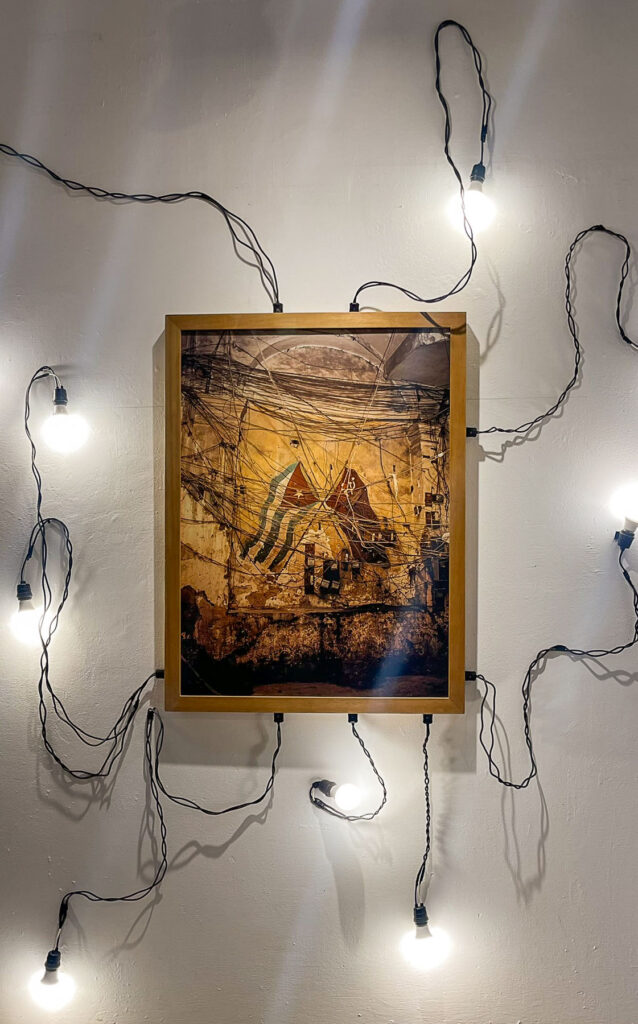
A trip to Havana wouldn’t be complete without a visit to this swanky place. This former cooking oil factory is the city’s new hotspot for art exhibits, cool bars, live music performances, DJs, fashion shows… you name it.
Whether you want to spend the night dancing or sipping cocktails, eating at a nice rooftop restaurant, El Cocinero, or admiring the newest photo or art displays, Fábrica de Arte Cubano has something for everyone. We ended up spending New Year’s Eve here and it was fabulous!
The space is open Thursdays through Sundays and costs only a few dollars to enter.

Listen For El Cañonazo
“Cañonazo” – a canon shot firing from a fortress directly across the harbor from Old Havana, Fortaleza de San Carlos de la Cabaña, has been a long-standing tradition. The canon firing occurs every night at 9pm as part of the guard changing ceremony to announce the closing of the harbor for the night.
You can hear the firing from the promenade, but it’s best experienced by visiting the fort itself.
Things to do in Trinidad
Trinidad is arguably one of the most visited cities in Cuba, a close second after Havana. This charming historic city is one of the best-preserved colonial cities in the Caribbean. It has culture, food, salsa dancing, white sand beaches and beautiful mountains covered in lush green jungle. It’s no wonder that this city is one of the most popular travel destinations in Cuba.
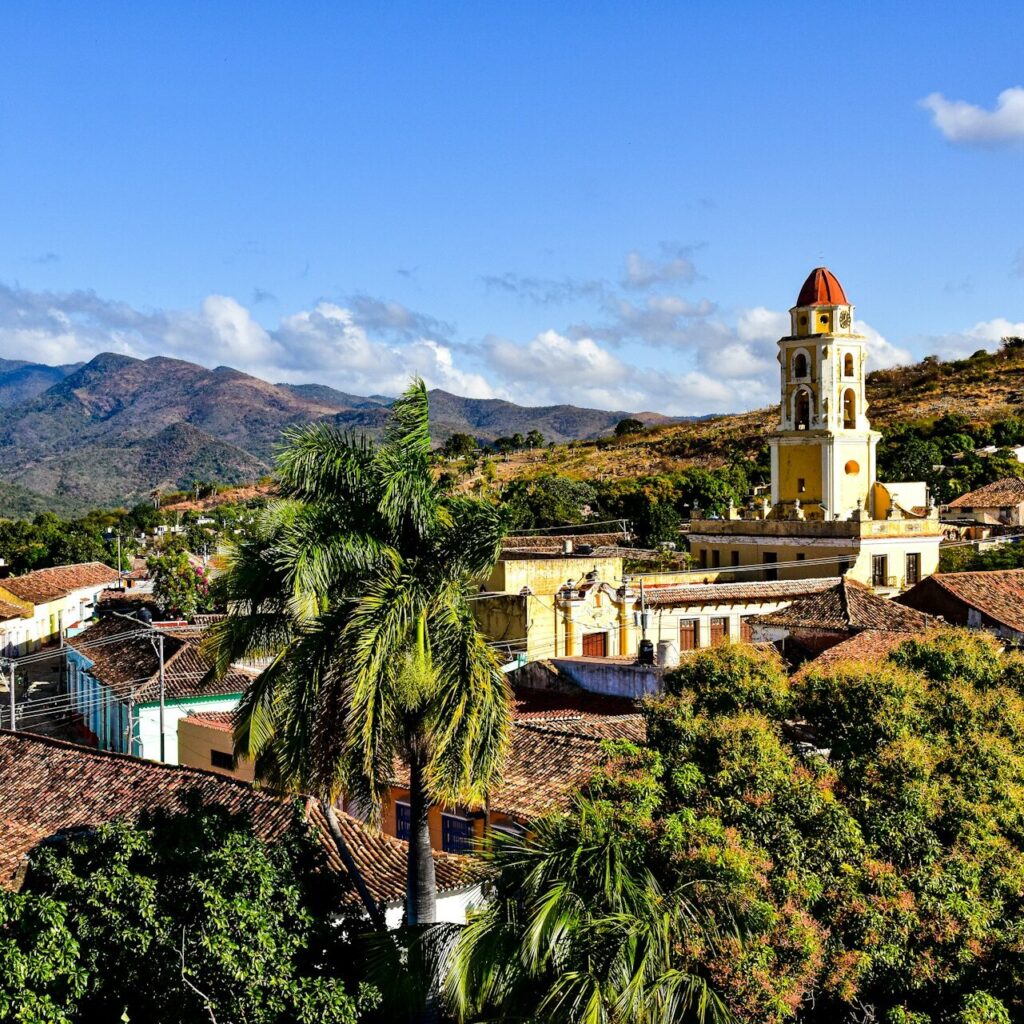
Climb the belltower of Saint Francis of Assisi Church
Those iconic images of Trinidad with red-tiled rooftops and lush green mountains in the background you see online when you search for things to do in Trinidad? That’s where those pictures are taken from.
The newly renovated church has a small museum inside commemorating an uprising against Castro and the Cuban Revolution that took place in the area.
Explore Plaza Mayor
Plaza Mayor is the historic center of Trinidad and remains the heart of the city today. The plaza is surrounded by churches and converted into restaurants or museums former colonial mansions.
Plaza Mayor truly comes to life at nighttime. You can spend the evening in one of the popular restaurants, like Conspiradores or La Botija, that are famous for their food and live music. Or dance away at the nearby world-famous Casa de la Música.
Take a free walking tour
Learn about the historic importance of Trinidad by taking a 2–3-hour free walking tour. You’ll learn about the significance of certain buildings around the main square, sugar cane trade, various religious practices throughout centuries and so much more.
Escape to Parque El Cubano
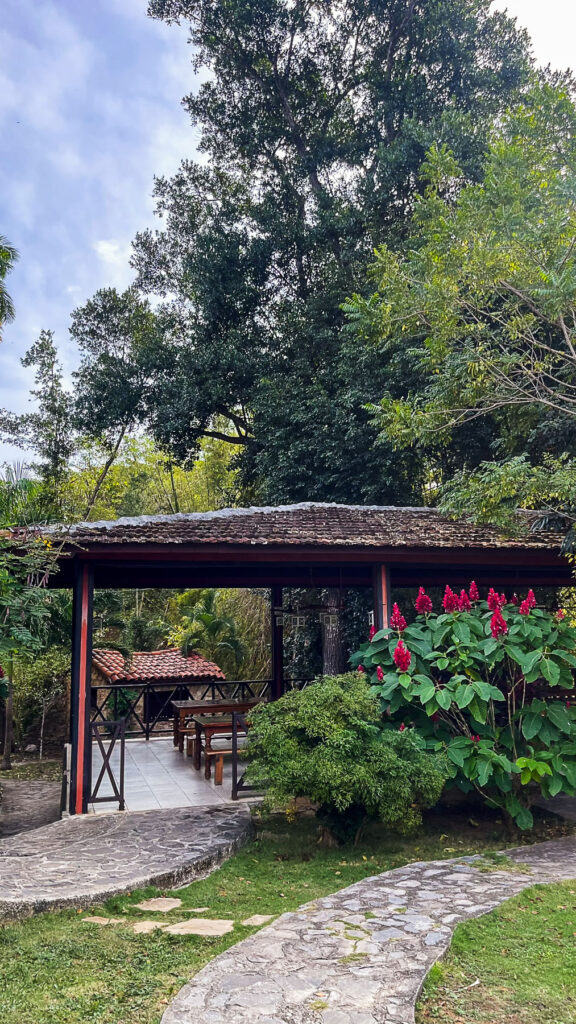
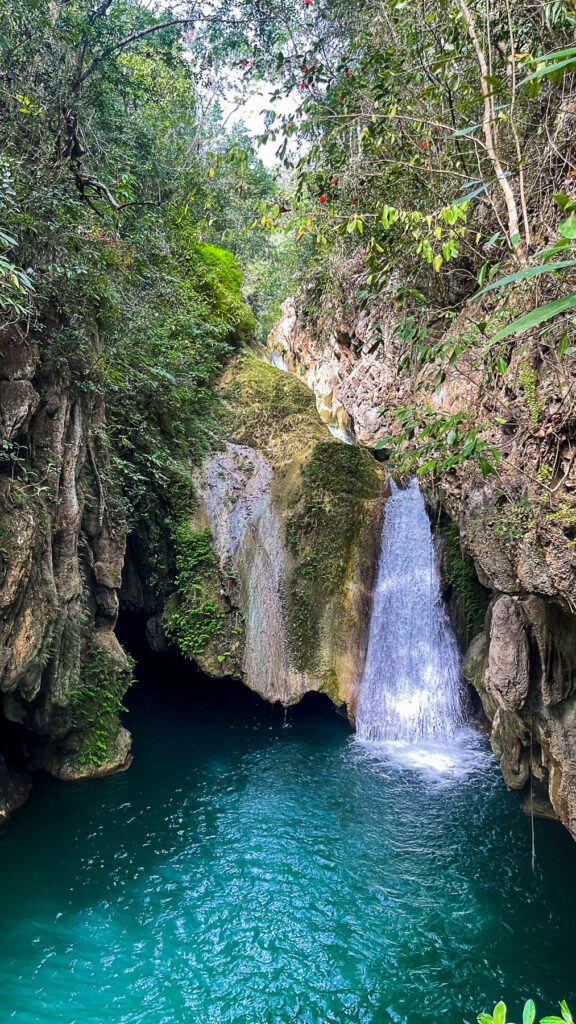
If you love nature or simply want to escape the heat of the city, head to Parque el Cubano. The park is located a short 15-20 min car ride from Trinidad’s city center. You can either hire a private taxi to take you there and back or share one with other tourists. This is an easy half-day trip to explore a beautiful nature reserve.
To enter the park costs about $10 in Cuban pesos. Once you are there, there is a charming open-air café at the beginning of the trails where you can have lunch on the way back. The trails are easy to follow and are mostly flat leading to a gorgeous waterfall and a cave where you can go swimming. So don’t forget your swimsuit.
Relax at Playa Ancon
Playa Ancon is considered to be the best beach in southern Cuba. It’s a short 15 min drive from Trinidad’s city center or a bit longer by bus.
White sands, turquoise waters, beach umbrellas and a few bars and cafes make this a perfect day trip from Trinidad. You can rent beach chairs even if you are not staying in a resort.
You can also take an inexpensive catamaran tour to a nearby cay, Cayo Blanco and go snorkeling.
Party the night away at Disco Ayala
This place is worth checking out even if you are not into clubbing. The disco is located on the northern side of town, about a 10-min walk uphill from Plaza Mayor. As you approach the venue, you won’t hear any blasting music, which might make you wonder if you are in the right place. Bring Cuban pesos, as they don’t take foreign currency.
Once you enter through the gate, you will descend multiple steps into a cave that has a dancefloor, bar and even bathrooms. The music is a mix of popular pop songs and salsa.
Things to do in Viñales
The Viñales Valley is one of the most beautiful places in Cuba. Conveniently located only about two and a half hours west of Havana in the province of Pinar del Rio, it’s easy to add it to any Cuba itinerary. It is a UNESCO World Heritage Site and is protected for its otherworldly limestone formations, called karsts, that pierce the earth of this valley and stand tall among an otherwise flat terrain.
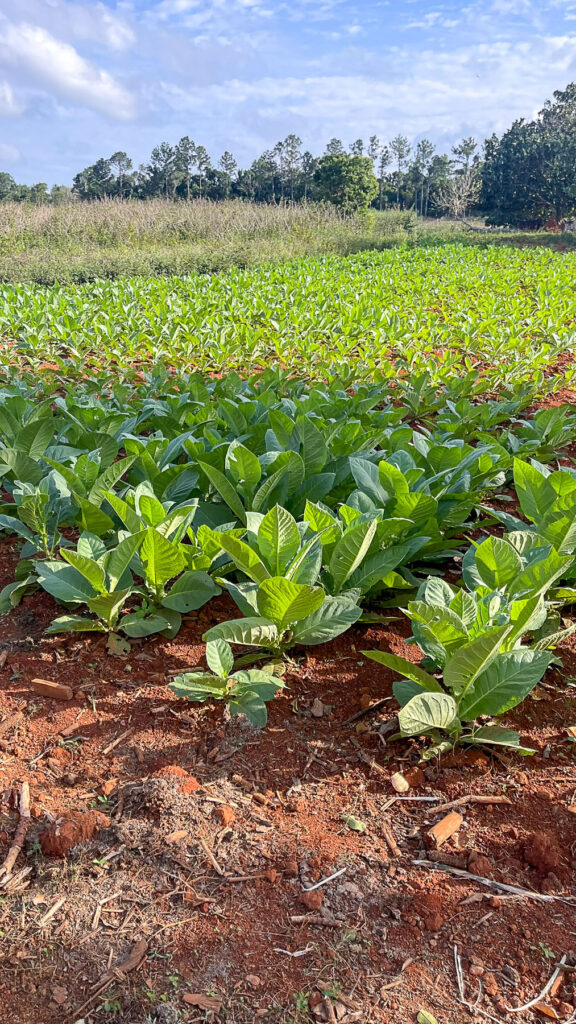
Viñales is also known for the production of Cuba’s, and arguably the world’s, best tobacco. Even if you don’t smoke, a trip to a tobacco farm to learn about its production is a must.
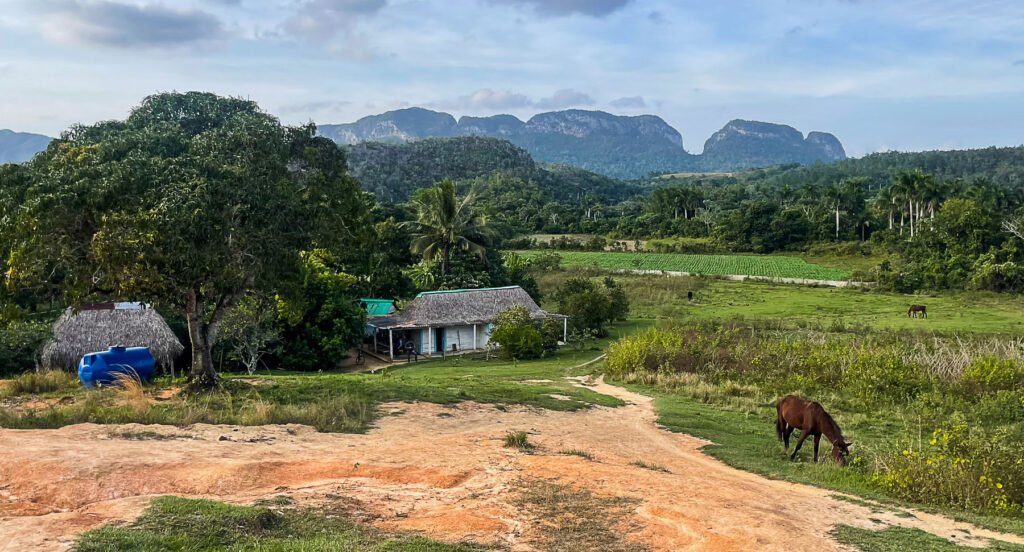
Viñales is an easy day trip from Havana, but I urge you to stay overnight to fully experience the beauty and tranquility of this place. You can easily spend 2-3 days here relaxing in the nature.
Horseback riding
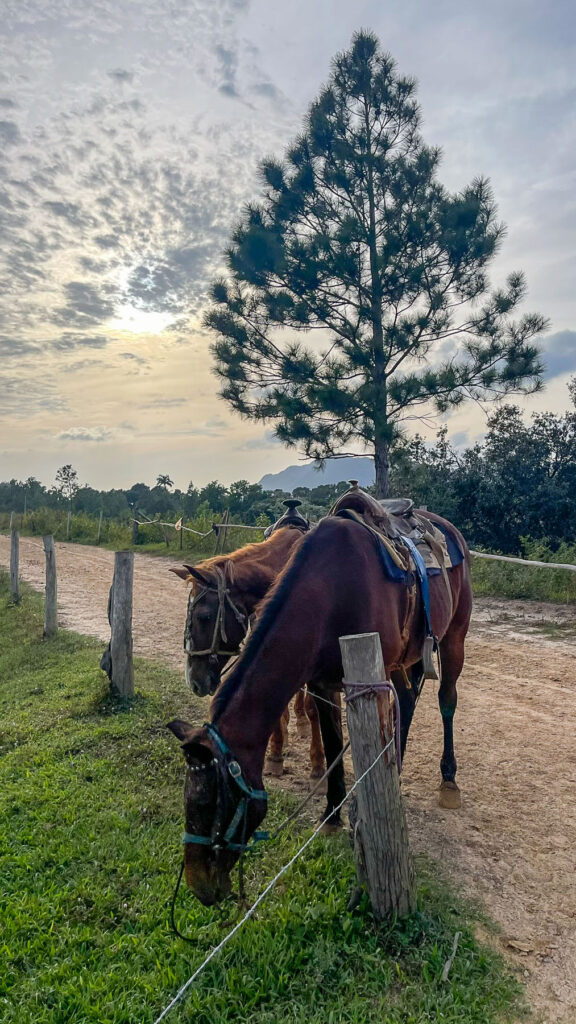
The number one activity is horseback riding through the valley. There are many local operators that offer tours through the valley, usually stopping at a tobacco plantation, a cave and coffee farms. Most also offer lunch or dinner. You can pre-book these tours online or once you are there. Just make sure to inquire what the tour includes prior to booking.
Hike the national park
There are plenty of hiking trails that start just outside of the Viñales town. You can explore either independently or with a local guide.
Another option is to rent a bicycle and explore the trails that way. Many tour operators also offer sunset or sunrise hikes, and I’ve even seen one that offered a yoga and meditation sunrise tour through the national park.
Visit a tobacco farm
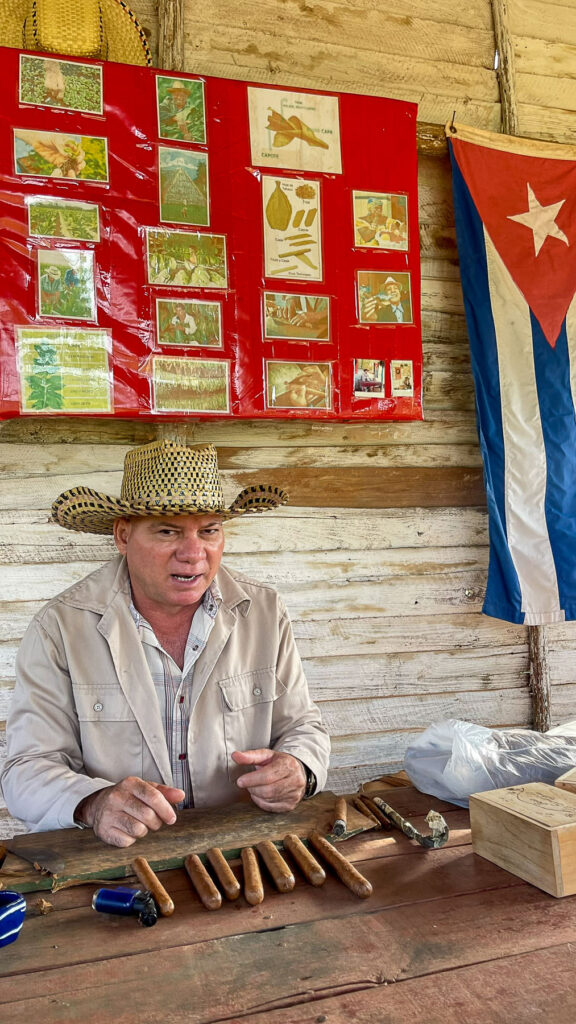
If horseback riding is not your thing, you can still visit a tobacco plantation as a separate tour. You will learn about the growing and drying of tobacco leaves, and see the large storehouses where tobacco is dried.
Most of the produced tobacco is reserved for the government, since the farmers cultivate the crops on government owned lands. They do, however, get to keep a portion for private sales. This is the best place in Cuba to purchase cigars, and for American visitors, this is probably the only place that sells unmarked cigars that you can legally take back to the States.
Visit the Caves
Cueva del Indio
This cave is the burial ground for the indigenous people who used to inhabit the area. Nowadays, you can visit the cave by taking a boat through the cave’s waters.
Cueva de Santo Tomás
This is the largest cave system in Viñales and is filled with stalagmites and stalactites. You can only visit this cave as part of an organized tour aimed at preserving the cave and ensuring the visitors’ safety. You can book the tour in the town of Viñales.
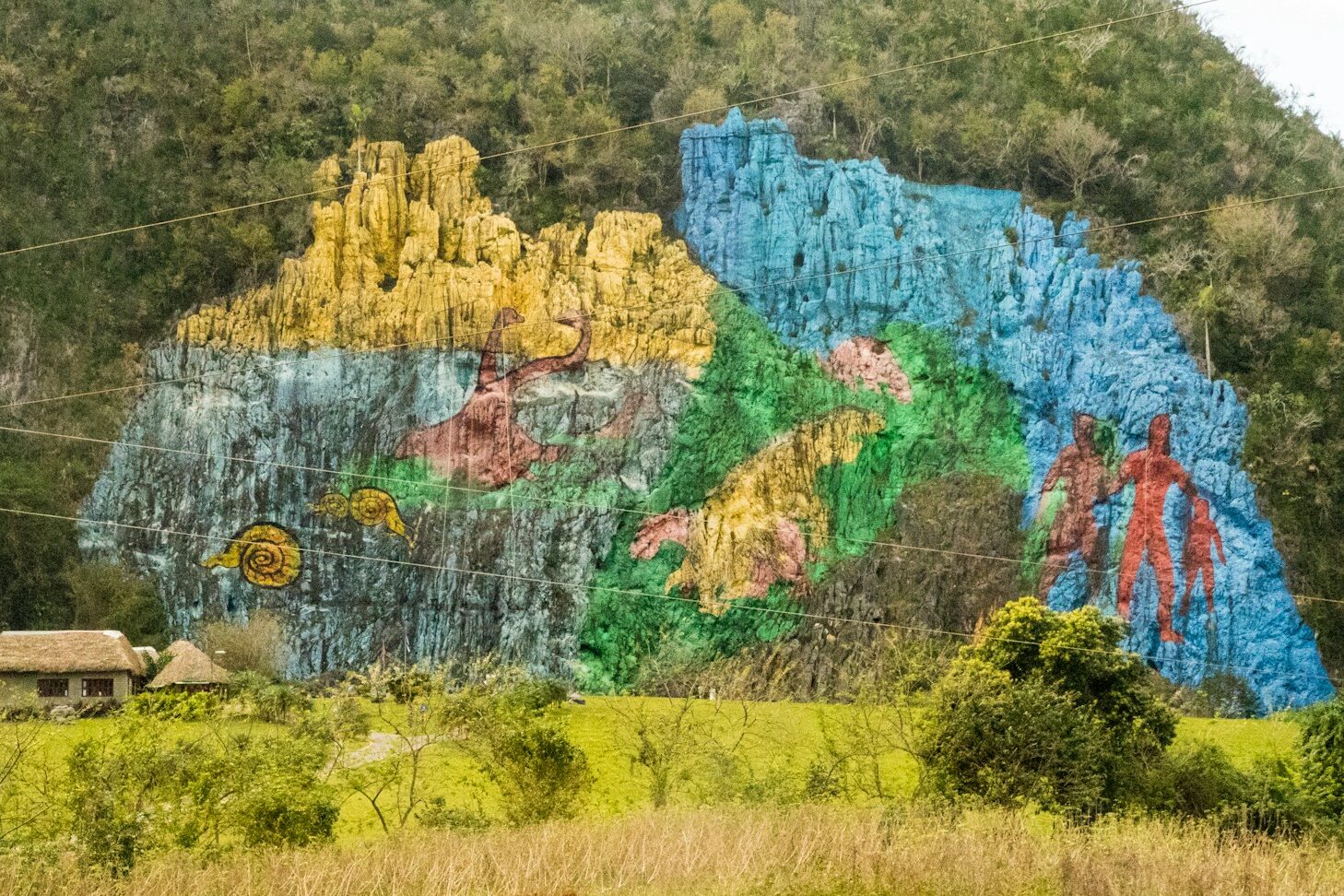
Visit the Mural de la Prehistoria
This massive mural, painted on a wall of a rock in the Viñales valley depicts the world of history up until the age of humans. It’s a short walk or bike ride from the town’s center.
Relax at Cayo Jutias Beach
A day trip in itself, a visit to Playa Jutias is a must. It’s a relatively untouched and wild beach that provides visitors with turquoise waters, white sands and a day full of relaxation.